


Blog
Is SIMATIC S7-200 SMART Digital Input Best for Your PLC?

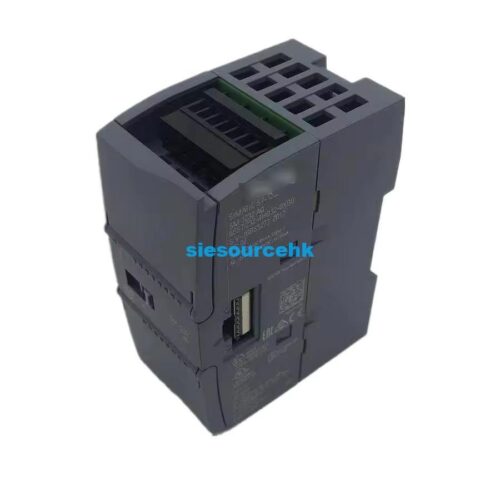
In the highly competitive world of semiconductor fabrication and electronic component assembly, the margin for error is virtually non-existent. Engineers and system integrators constantly seek components that can bridge the gap between physical motion and digital logic with absolute certainty. The SIMATIC S7-200 SMART Digital Input serves as this vital bridge, acting as the primary sensory interface for countless automated systems. Whether it is detecting the presence of a silicon wafer or synchronizing high-speed robotic arms, this digital input technology ensures that every signal is captured with microsecond precision. For professionals in the semiconductor sector, understanding the underlying capabilities of this hardware is the first step toward building more resilient and efficient production lines. By integrating the SIMATIC S7-200 SMART Digital Input into their control architecture, manufacturers can achieve a level of operational stability that was previously reserved for much more expensive, high-end systems.
Technical Architecture of the SIMATIC S7-200 SMART Digital Input
The internal design of the SIMATIC S7-200 SMART Digital Input reflects a sophisticated approach to signal integrity and hardware flexibility. At its core, the input circuitry utilizes high-quality optocouplers to provide galvanic isolation between the field-side sensors and the internal logic of the PLC. This isolation is critical in semiconductor environments where high-frequency noise from plasma generators or large motor drives could otherwise damage the controller. Because the inputs are designed to be bidirectional, they offer immense flexibility for engineers who need to work with both NPN and PNP sensor types without adding extra conversion hardware. This adaptability simplifies the bill of materials and reduces the physical footprint of the control cabinet, which is a significant advantage in crowded cleanroom facilities.
Enhanced Signal Filtering and Reliability
One of the standout features of the SIMATIC S7-200 SMART Digital Input is its advanced hardware and software filtering mechanism. In an industrial setting, electrical chatter or noise can often cause false triggers, leading to machine downtime or ruined batches of delicate electronic components. To prevent this, the Siemens system allows users to configure specific filter times for each input channel. By effectively suppressing transient spikes while maintaining sensitivity to genuine state changes, the system ensures that the automation logic only reacts to real events. This balance of sensitivity and robustness is particularly valued in semiconductor dicing or wire-bonding applications where high-speed vibrations are common.
High-Speed Counting for Precision Motion
Beyond standard on-off detection, the SIMATIC S7-200 SMART Digital Input excels in high-speed applications through its dedicated hardware counters. These inputs can process pulse trains from encoders or high-frequency sensors at rates up to 200 kHz. In the context of semiconductor equipment, this allows for the precise tracking of gantry positions or the high-speed measurement of component dimensions during assembly. Because these signals are processed via hardware interrupts rather than the standard program scan cycle, the response is near-instantaneous. Consequently, the accuracy of the overall system remains high even as production speeds increase to meet global demand.
Modular Expansion and Space Efficiency
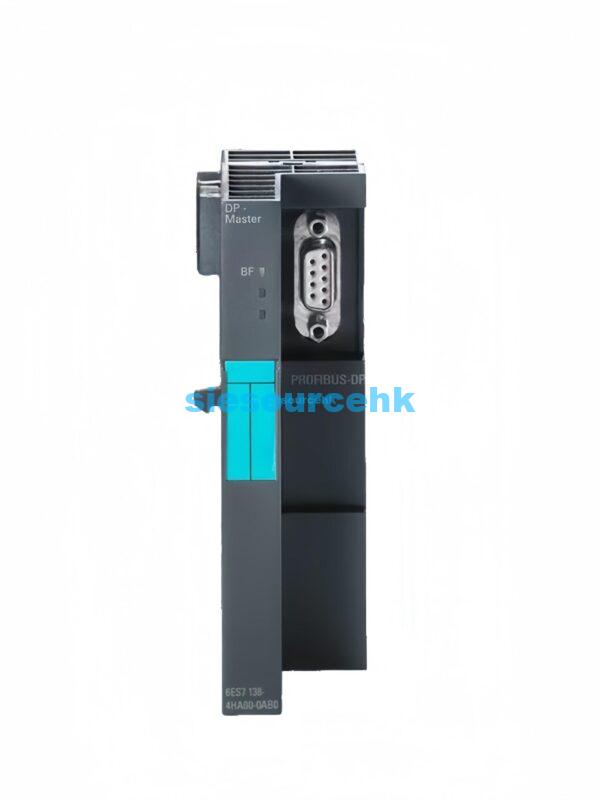
Space is a premium commodity in the design of semiconductor machinery. The SIMATIC S7-200 SMART Digital Input is available in various configurations, including compact CPU-integrated inputs and modular expansion signal boards. These signal boards plug directly into the front of the CPU, providing additional I/O without increasing the width of the PLC on the DIN rail. This modularity allows manufacturers to scale their systems precisely to their needs, avoiding the cost and bulk of unused capacity. Moreover, the high density of these input points ensures that even the most complex machines can be controlled by a surprisingly small footprint of electronics.
Optimizing Signal Integrity in Semiconductor Environments
The semiconductor industry operates under unique conditions that demand a high degree of electromagnetic compatibility. Machines often generate significant electrical interference, which can easily corrupt low-voltage signals. The SIMATIC S7-200 SMART Digital Input is engineered to maintain its performance in these harsh conditions. The robust physical construction and specialized shielding techniques used in its manufacturing help to preserve the purity of the digital signal from the sensor to the processor. This reliability is why many industry leaders specify this particular input module for their most sensitive inspection and lithography equipment.
Addressing the Challenges of Electrical Noise
When dealing with the high-speed switching of semiconductors, electrical noise is an inevitable byproduct. The SIMATIC S7-200 SMART Digital Input addresses this challenge through a combination of physical isolation and intelligent signal processing. Transitioning between states requires a clear voltage threshold, which prevents minor fluctuations from being misinterpreted as logic changes. This predictability is essential for maintaining the sequence of operations in a complex assembly line. Furthermore, the use of twisted-pair wiring in conjunction with these inputs further enhances the system immunity to cross-talk between adjacent signal lines.
Integration with Modern Communication Protocols
A modern digital input does not exist in a vacuum; it must be part of a larger, connected ecosystem. The SIMATIC S7-200 SMART Digital Input is designed to work seamlessly within the PROFINET environment, allowing for rapid data exchange between multiple controllers and human-machine interfaces. This connectivity enables real-time diagnostics, where the status of an input can be monitored from across the factory floor or even from a remote office. For semiconductor facilities that operate 24/7, this level of visibility is indispensable for proactive maintenance and rapid troubleshooting, ensuring that the production of microchips is never interrupted by a simple sensor failure.
Versatility in Electronic Component Testing
During the final stages of electronic component manufacturing, testing is required to ensure every unit meets strict performance standards. The SIMATIC S7-200 SMART Digital Input is frequently utilized in these automated test fixtures. Its ability to quickly register the Pass/Fail signals from specialized test sensors allows for high-throughput sorting. Because the inputs can handle a wide range of DC voltages, they are compatible with the varied output levels found in different testing instruments. This versatility reduces the complexity of test bench design and helps manufacturers bring their products to market more quickly.
Conclusion
The SIMATIC S7-200 SMART Digital Input remains a cornerstone of modern industrial automation, particularly within the demanding semiconductor and electronics sectors. By offering a blend of high-speed performance, exceptional noise immunity, and modular flexibility, it provides the reliability that engineers need to maintain high-yield production environments. As the electronics industry continues to push the boundaries of what is possible, the role of robust and intelligent input interfaces will only become more significant. Investing in a proven solution like the S7-200 SMART series ensures that your manufacturing infrastructure is not only capable of meeting current demands but is also prepared for the technological advancements of the future.
| 6ES7901-0BF00-0AA0 | 6ES7515-2RM00-0AB0 | 6ES7288-5BA01-0AA0 | 6ES7288-5DT04-0AA0 |
| 6ES7134-4NB01-0AB0 | 6ES7515-2AM01-0AB0 | 6ES7288-5A001-0AA0 | 6ES7288-5CM01-0AA0 |
| 6ES7414-2XL07-0AB0 | 6ES7515-2AM01-0AB0 | 6ES7288-5AE01-0AA0 | 6ES7288-1CR60-0AA1 |
| 6ES7513-1AM03-0AB0 | 6ES7288-1SR60-0AA0 | 6ES7512-1DM03-0AB0 | 6ES7513-1AM03-0AB0 |
FAQ
Q1: Can the SIMATIC S7-200 SMART Digital Input handle both NPN and PNP sensors?
Yes, the inputs are designed to be extremely flexible. By changing the wiring of the common terminal, often labeled as M, you can configure the inputs to work with either sink or source sensor types. This makes it much easier to integrate different brands of sensors into a single semiconductor equipment design without needing additional interface modules.
Q2: What is the maximum frequency the SIMATIC S7-200 SMART Digital Input can support?
For standard digital tasks, the inputs operate at typical PLC speeds. However, when configured as high-speed counters, certain inputs on the SIMATIC S7-200 SMART Digital Input can handle frequencies up to 200 kHz. This high-speed capability is ideal for reading encoders or high-frequency pulses in precision motion control applications.
Q3: How do I reduce false triggers on my SIMATIC S7-200 SMART Digital Input?
The best way to reduce false triggers is to utilize the configurable digital filter settings within the software. By increasing the filter time, the PLC will ignore short-duration noise spikes. Additionally, ensuring proper grounding and using shielded cables for sensor connections will significantly improve the signal quality and prevent electromagnetic interference from affecting your digital logic.