



Blog
Guide to ABB Inverter for Motor Control Excellence

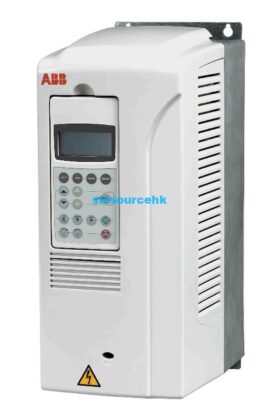
In the sophisticated world of semiconductor manufacturing and electronic component assembly, the demand for absolute precision is non-negotiable. As production lines become more automated, the ability to regulate motor speed and torque with surgical accuracy has become the cornerstone of operational excellence. This is where the ABB inverter for motor control emerges as a critical solution, bridging the gap between raw electrical power and high-performance motion. By converting a fixed frequency and voltage into a variable output, these devices allow engineers to fine-tune the behavior of electric motors across a vast array of industrial applications. For professionals dealing with delicate semiconductor wafers or high-speed pick-and-place machines, understanding the nuances of these drive systems is the first step toward achieving a zero-defect production environment.
The Technical Foundation of Power Conversion
To appreciate the value of an ABB inverter for motor control, one must delve into the complex physics of Variable Frequency Drives. At its core, the device utilizes advanced semiconductor power modules, such as Insulated Gate Bipolar Transistors, to rectify and invert current. This process allows for the manipulation of the motor’s magnetic field with incredible speed. For semiconductor equipment manufacturers, this means that a motor can start softly, avoiding the mechanical stress of high inrush currents, and operate at the exact speed required for a specific task. Furthermore, the integration of digital signal processors ensures that the drive can respond to load changes in milliseconds, maintaining a constant torque even when the demand fluctuates.
Precision Control in Semiconductor Fabrication
The fabrication of microchips requires an environment where vibrations are virtually non-existent and airflow is perfectly laminar. Utilizing an ABB inverter for motor control in cleanroom HVAC systems or chemical delivery pumps ensures that the motors do not produce harmonic distortions or mechanical jolts that could ruin a batch of silicon wafers. Because these inverters offer high-resolution frequency control, they enable the ultra-smooth acceleration and deceleration necessary for transporting delicate electronic components. Moreover, the sophisticated algorithms embedded in these drives can detect even the slightest mechanical resonance, allowing the system to skip those specific frequencies and preserve the integrity of the equipment.
Energy Efficiency and Sustainable Manufacturing
In an era where global energy costs are rising and corporate sustainability goals are more stringent than ever, the efficiency of an ABB inverter for motor control provides a significant competitive advantage. Traditional methods of controlling motor output, such as mechanical throttling or bypass valves, waste a tremendous amount of energy by running the motor at full speed while restricting the flow. By contrast, a variable frequency drive matches the power consumption to the actual load. For large-scale semiconductor facilities operating hundreds of motors, this transition can result in energy savings of up to fifty percent. This not only reduces the carbon footprint of the facility but also significantly lowers the operational expenses over the long term.
Advanced Connectivity for Smart Factories
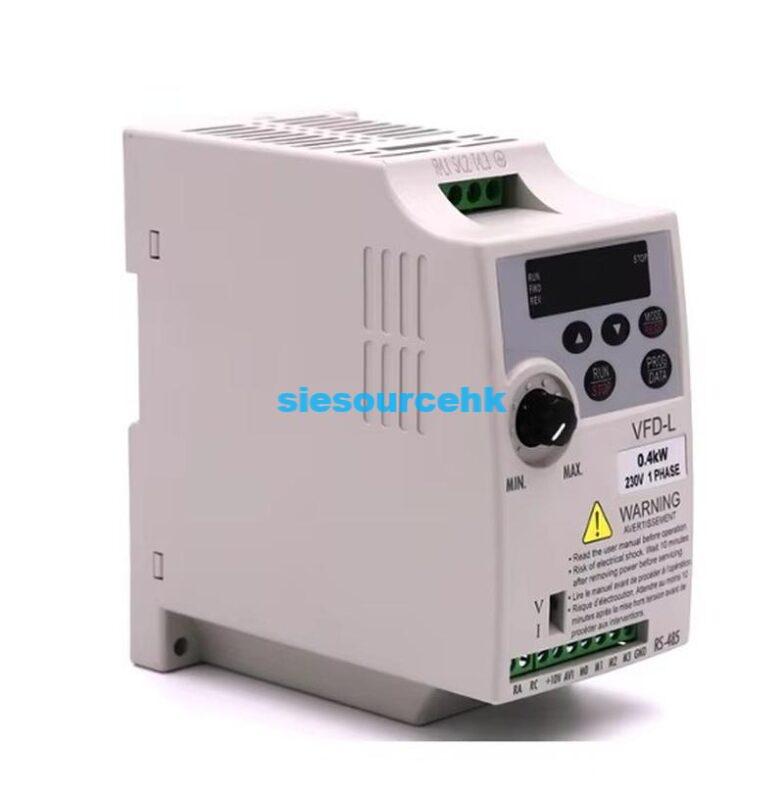
The rise of Industry 4.0 has transformed the role of power electronics from simple hardware into intelligent nodes within a network. A modern ABB inverter for motor control comes equipped with multiple communication protocols such as Modbus or Profinet. This connectivity allows the drive to share real-time data regarding energy usage and motor temperature with a centralized control system. For semiconductor equipment users, this means that predictive maintenance becomes a reality. Instead of waiting for a motor to fail and halt a production line, the system can identify early signs of wear and alert the maintenance team to intervene during a scheduled downtime.
Key Features for Electronic Component Protection
When dealing with sensitive electronic components, the quality of the power supply is paramount. One of the standout features of an ABB inverter for motor control is its ability to mitigate electrical noise and electromagnetic interference. These drives are often equipped with built-in filters that prevent high-frequency harmonics from feeding back into the grid or interfering with sensitive laboratory instruments. This level of protection is vital in semiconductor testing environments where even a minor electrical spike could lead to false data or the destruction of a prototype chip.
Direct Torque Control and Rapid Response
One of the most significant innovations in this field is the implementation of Direct Torque Control technology. Unlike traditional pulse width modulation, an ABB inverter for motor control using this tech can calculate the motor’s optimal magnetic flux and torque several thousand times per second. This results in a motor that is exceptionally responsive to changes in demand, providing full torque at zero speed. This capability is essential for high-precision winding machines used in capacitor manufacturing or for robotic arms that must handle electronic components with extreme delicacy and speed.
Robust Design for Harsh Industrial Environments
Although semiconductor manufacturing often takes place in controlled environments, the utility rooms can be quite harsh. An ABB inverter for motor control is designed with durability in mind, featuring coated circuit boards and robust cooling systems that can handle dust and temperature fluctuations. This physical resilience ensures that the drive remains operational for decades, providing a reliable foundation for the facility’s power infrastructure. By choosing a drive with high-grade components and a proven thermal design, users can avoid the frequent replacements associated with lower-quality alternatives.
User-Centric Interface and Simplification
Despite the high level of technical complexity inside the unit, the interface for an ABB inverter for motor control is remarkably intuitive. Most models feature a multi-language control panel and a variety of startup assistants that guide the user through the commissioning process. This simplification is a major benefit for semiconductor equipment manufacturers who need to deploy systems quickly across different global regions. The ability to clone parameters from one drive to another via a simple connection ensures consistency across the entire production line.
Enhancing System Reliability in Semiconductor Equipment
Reliability is the lifeblood of the semiconductor industry. A single hour of unexpected downtime can result in massive financial losses. Therefore, the integrated safety functions of an ABB inverter for motor control, such as Safe Torque Off, are indispensable. These features ensure that the motor can be brought to a safe state without the need for external contactors, reducing the complexity of the safety circuit. Furthermore, the built-in diagnostic tools allow technicians to troubleshoot issues effectively, often identifying the root cause of a problem before it escalates into a major failure.
Harmonizing Power Quality and Grid Compliance
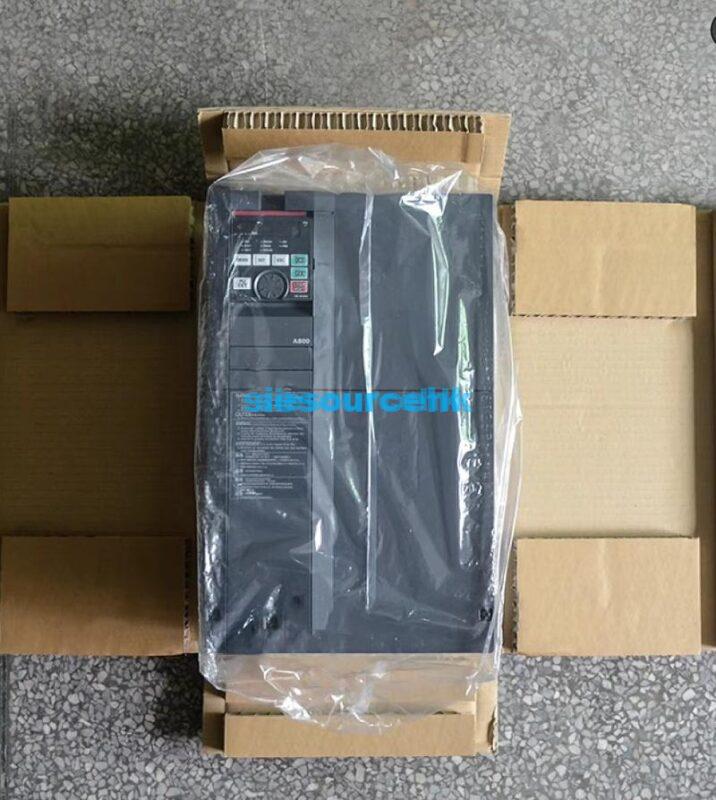
Large industrial facilities must adhere to strict grid codes regarding harmonic distortion. An ABB inverter for motor control often incorporates active front-end technology that ensures the current drawn from the utility is clean and sinusoidal. This not only prevents penalties from the utility provider but also protects other sensitive electronic components within the factory from dirty power. By maintaining a high power factor, the facility can also reduce the stress on transformers and cabling, leading to a more stable electrical distribution system.
Customization and Scalability for Specialized Tasks
Every semiconductor manufacturing process is unique, and a one-size-fits-all approach rarely works. The flexibility of an ABB inverter for motor control allows for extensive customization through programmable logic. Whether the application requires high-speed spinning for centrifugal coating or precise positioning for wafer transport, the drive can be tailored to meet the exact requirements of the task. This scalability ensures that as the production technology evolves, the motor control system can be updated without requiring a complete overhaul of the hardware.
| ACS800-01-0120-3+E200+ON664 | ACS800-01-169A-3+P944+D150+N5050+FPN0-21+FEN-11+N8015 | ACS800-01-0100-3+P901+D150+N671+L502+K454 | ACS800-01-0020-5+E202+L502 |
| ACS800-104-320-3+V991 | ACS800-01-0140-5+P901 | ACS800-01-0100-3+D150+P901 | ACS800-01-0020-5+E200 |
| ACS800-104-0580-7+E205+V991 | Acs800-04-0165-3 | ACS800-01-0120-3 | ACS800-01-0025-3+D150+P901 |
| ACS800-104-0050-5+Q967 | Acs800-04-0165-3 | ACS800-01-0120-3+D150 | ACS800-01-0016-3+E202+K454+L503 |
| ACS800-01-0075-3+P901 | ACS800-01-0135-3 | ACS800-01-0075-3+E210+P901 | ACS800-04-0011-3+K454+L503 |
| ACS800-104-0580-7+E205+V991 | ACS800-04-120 | ACS800-01-0060-3 | ACS800-U1-0009-5+D150+E202+P901 |
| ACS800-04-0120-3+D150+J400+P901 | ACS800-04-0170-3+D150+N652+P901 | ACS800-01-0050-3+E202+K454+L503 |
Conclusion
The evolution of motor control technology has reached a point where it is no longer just about turning a shaft; it is about providing the intelligence and precision required for the next generation of electronics. The ABB inverter for motor control stands at the forefront of this revolution, offering the semiconductor and electronic component industries a tool that combines efficiency, reliability, and unparalleled control. By integrating these advanced drives into their systems, manufacturers can ensure that their production lines are not only faster and more precise but also more sustainable. As we move forward, the role of high-quality inverters will only become more central to the success of global manufacturing.
FAQ
Q1: How does an inverter help in reducing mechanical wear on motors?
H3: Q1
An ABB inverter for motor control reduces wear by providing soft start and soft stop capabilities. Instead of the motor jumping to full speed instantly, which causes mechanical shock, the inverter ramps the speed up gradually. This controlled acceleration significantly extends the lifespan of mechanical components and reduces maintenance costs over time.
Q2: Can these inverters be used with motors from other manufacturers?
H3: Q2
Yes, an ABB inverter for motor control is designed to be highly compatible with a wide range of induction motors from various brands. Most drives include auto-tuning features that allow the inverter to automatically measure the motor’s electrical characteristics and optimize the control parameters for peak performance.
Q3: What is the primary benefit of the Safe Torque Off feature?
H3: Q3
The Safe Torque Off feature in an ABB inverter for motor control allows the power to the motor to be cut in a safe manner without disconnecting the drive from the main power supply. This means the drive remains powered up and ready to restart immediately once the safety condition is cleared, which improves safety while minimizing the time lost during a stop.