


Blog
How to Select the Right Schneider Contactor?

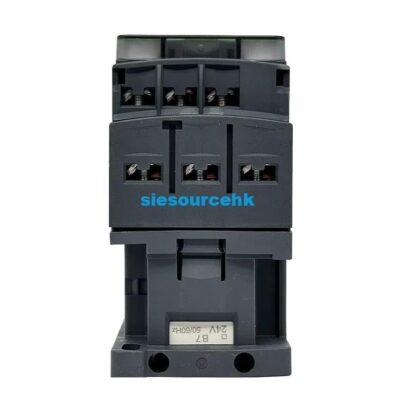
Modern industrial environments require high reliability and precise control to maintain continuous production cycles. As a specialized industrial supply chain provider, I have helped countless engineers navigate the complexities of automation system integration. One of the most critical components in any motor control circuit is the Schneider Contactor, known for its durability and versatility. These devices act as the heavy-duty switches that manage power to motors, heating loads, and lighting systems. However, selecting the correct model involves more than just matching voltage ratings. You must consider the specific demands of your application, from switching frequency to environmental conditions. In an era where global supply chains face frequent disruptions, having a strategic partner for component sourcing is vital. This guide will provide technical insights into the TeSys series and offer practical solutions for maintaining legacy equipment. By the end, you will understand how to optimize your control panels for both performance and long-term serviceability.
Technical Advantages of the TeSys LC1D Series
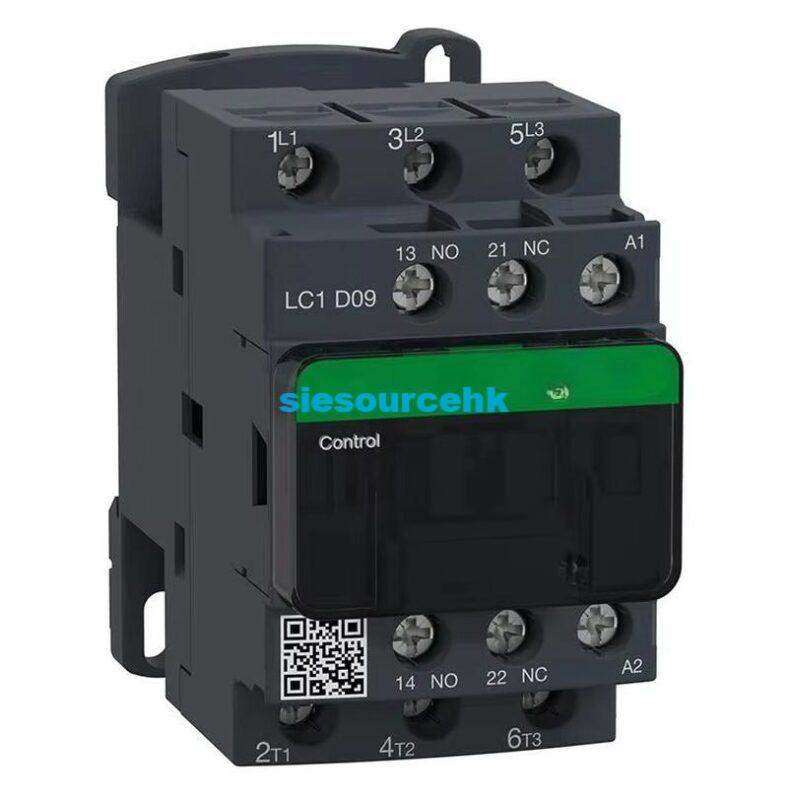
The TeSys Deca series, formerly known as TeSys D, represents the gold standard for high-performance motor control. A Schneider Contactor in this range offers a compact footprint while delivering impressive electrical endurance. For instance, these contactors are rated for millions of operations, ensuring a low total cost of ownership. They feature built-in auxiliary contacts, which allow for seamless integration into complex safety and signaling circuits. Furthermore, the innovative EverLink power terminal technology ensures permanent tightening even in high-vibration environments. This feature significantly reduces the risk of overheating and electrical fires caused by loose connections. The design also facilitates quick mounting on DIN rails, making it a favorite for panel builders worldwide.
Beyond physical robustness, these contactors provide exceptional flexibility for diverse industrial tasks. They are compatible with a wide array of add-on blocks, such as pneumatic time delays and mechanical interlocks. This modularity allows engineers to build customized motor starters without increasing the overall size of the control cabinet. For global operations, the TeSys range complies with major international standards like IEC, UL, and CSA. This global compliance simplifies the export of machinery and ensures parts are available in almost any region. Transitioning to these modern components can also improve the safety of your personnel through finger-safe terminals. High-visibility trip indicators and clear labeling further enhance the ease of maintenance during routine inspections.
Solutions for Legacy Equipment and Obsolete Parts
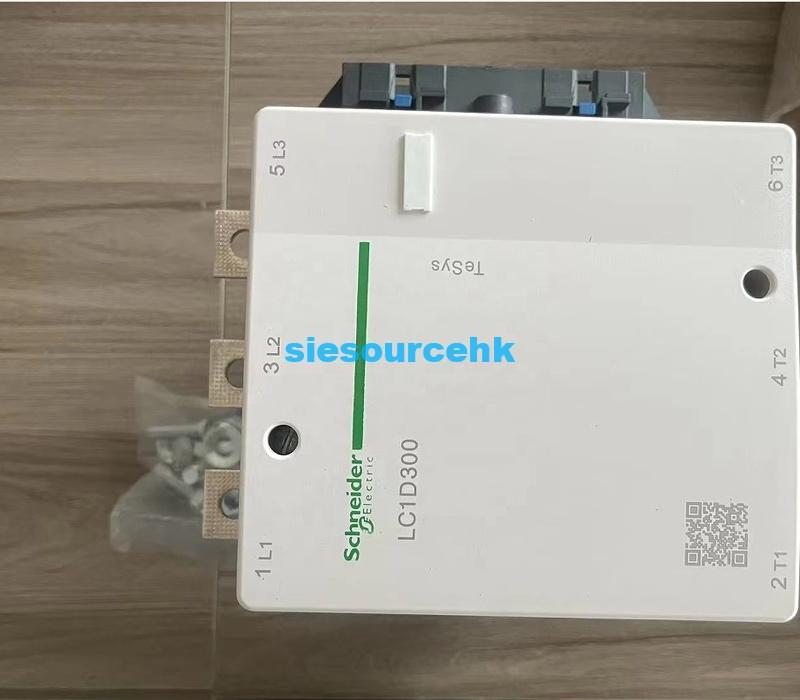
Maintaining older automation systems presents a unique set of challenges, particularly when critical components become obsolete. Many factories still operate lines that were installed decades ago, requiring specific spare parts that are no longer in mass production. As a supply chain solution provider, we specialize in tracking down hard-to-find and discontinued Schneider Contactor models. Replacing a legacy contactor with a modern equivalent often requires rewiring or panel modifications, which can cause extended downtime. Finding an exact match for a “New Old Stock” component can save thousands in engineering costs. Our global network allows us to source these specialized parts even when local distributors show zero stock. This capability is essential for minimizing the impact of unexpected component failure on aging production lines.
If a direct replacement is truly unavailable, we offer system integration advice to facilitate a smooth upgrade path. Modernizing an old panel with current TeSys technology requires careful planning of the control voltage and mounting dimensions. Often, we can provide conversion kits or adapter plates that bridge the gap between old and new hardware. This proactive approach prevents the common “last-minute panic” when an ancient starter finally reaches the end of its life. Furthermore, we help clients build “critical spares” inventories based on a thorough audit of their existing installed base. Understanding the lifecycle of your electrical components is the first step toward a resilient maintenance strategy. By balancing the use of legacy spares and modern upgrades, you can extend the life of your equipment indefinitely.
Optimizing the Industrial Supply Chain
Effective industrial management is not just about buying parts; it is about ensuring the right part is available at the right time. The global electronic component market has become increasingly volatile, with lead times for some contactors stretching into months. To combat this, a robust supply chain solution must involve diverse sourcing channels and real-time inventory tracking. We act as an extension of your procurement team, monitoring market trends to predict potential shortages before they impact your plant. This foresight allows our clients to secure essential inventory during periods of stability. Reducing the complexity of your vendor list also leads to better pricing and more consistent technical support across all projects.
In addition to procurement, we provide technical verification to ensure that every sourced component meets the required specifications. Counterfeit electronic components are a growing concern in the industrial sector, particularly for high-demand items like the Schneider Contactor. Our quality assurance process involves rigorous inspections and verification of date codes to guarantee authenticity. For system integrators, we offer kitting services where all components for a specific panel are bundled together. This streamlines the assembly process and reduces the administrative burden of managing dozens of individual purchase orders. By treating the supply chain as a strategic asset rather than a back-office function, you can achieve a significant competitive advantage. Reliability starts at the source, and a professional partner ensures that your automation systems never stop running.
Precision Components for System Integration
When your project requires specific high-power ratings and advanced control features, selecting the right model number is paramount. Our focus as a specialized provider is to bridge the gap between complex engineering needs and global part availability. We understand that a single missing contactor can halt an entire multi-million dollar automation project. Therefore, we maintain a highly curated selection of professional-grade motor control hardware designed for the most demanding environments. Each unit in our catalog is chosen for its performance, safety certifications, and compatibility with modern PLC systems. Our expertise lies in providing the exact technical fit for your existing control architecture.
Our team is dedicated to supporting your maintenance and integration goals through expert product knowledge. We offer detailed specifications for a variety of power ratings to ensure your motor protection is never compromised. Whether you are replacing a faulty unit or building a new distribution board, we provide the technical depth required for success. Our solutions are designed to handle high-frequency switching and heavy inductive loads with ease. Each component is a testament to industrial engineering excellence, offering long-term stability for your facility. To see one of our most popular high-performance options, visit our Schneider Contactor LC1D50AF7 product page for full technical details and availability.
Summary of Schneider Contactor Selection
Selecting the right Schneider Contactor requires a technical analysis of motor load (AC-3), control voltage, and the integration of modern modular accessories. By combining professional supply chain sourcing with an understanding of legacy equipment maintenance, engineers can ensure 99.9% system uptime and maintain safety standards while optimizing the long-term reliability of industrial automation lines.
| LC1D115F7 | LC1D115 | LC1D4011M5 | LC1D32AM7 |
| LC1D150F7 | LC1D128ED | LC1D128E7 | LC1D40AU7 |
| LC1D40AP7 | LC1D128E7 | LC1D128E7 | LC1D65M7 |
| LC1D40AP7 | LC1D95FE7 | LC1D38BL | LC1D32P7 |
| LC1D32P7 | LC1D5011E5 | LAD4RCU | LC1D115F7 |
| LC1D115F7 | LC1D8011M5 | LC1D150F7 | LC1D40AP7 |
FAQ
1. What is the difference between AC-1 and AC-3 ratings?
AC-1 is for non-inductive or slightly inductive loads, like resistive heaters. AC-3 is specifically for the starting and stopping of squirrel-cage motors, where high inrush currents are common.
2. Can I replace an older LC1D series with the new TeSys Deca version?
Yes, the TeSys Deca series is the direct replacement for the older TeSys D range. They share the same mounting dimensions and electrical characteristics for a seamless swap.
3. What should I do if my contactor coil is humming loudly?
A humming sound usually indicates dust or debris on the magnetic poles, or a loose mounting. Cleaning the contact surfaces or checking the control voltage for stability often resolves this.
4. How do I verify if a Schneider Contactor is genuine?
Look for the “Green Premium” eco-label and verify the QR code on the side of the device. Professional suppliers also provide traceability for the components they sell.
5. Why is the 110V AC (F7) coil so common in industrial panels?
110V AC is a standard control voltage in many regions because it provides a good balance between safety and the ability to drive longer cable runs without excessive voltage drop.
Official Reference Sources:
Schneider Electric – TeSys Deca Contactors Technical Guide