



Blog
Will a New Fanuc Board Resolve Your CNC System Failures?


Finding a reliable Fanuc board is a critical task for maintenance engineers facing unexpected machine downtime. In 2026, the market for industrial electronics is flooded with refurbished units that vary significantly in quality and firmware compatibility. A faulty or incompatible Fanuc board can lead to system-wide communication failures or permanent damage to the machine’s CPU. I have seen many facilities struggle because they prioritized low prices over verified technical specifications. This guide provides a professional perspective on how to source a high-quality Fanuc board and verify its condition before installation. By following these proven procurement steps, you can ensure that your CNC systems remain operational with minimal risk of recurring electronic faults.
Why Technical Verification of a FANUC CNC Control Board is Vital
The complexity of a FANUC CNC control board requires more than just a visual inspection to confirm its operational readiness. Each board contains specialized integrated circuits that manage high-speed data exchanges between the operator interface and the servo drives. If a FANUC CNC control board has been improperly stored, internal components like capacitors may have degraded, leading to unstable voltage regulation.
Firmware and Version Compatibility
Every FANUC CNC control board is designed to work within a specific range of system software versions. Installing a board with the wrong firmware can result in “System Alarm” errors that are difficult to diagnose without specialized tools. I always recommend verifying the exact version number found on the board’s EPROM chips to ensure a seamless “plug-and-play” experience.
Testing Procedures for Used or Refurbished Boards
A reputable supplier must perform functional testing on a FANUC CNC control board using a dedicated Fanuc test rig. This process simulates real-world machining conditions to verify that all I/O ports and communication channels are fully functional. Never accept a FANUC CNC control board that has only undergone a simple “power-on” test, as this does not reveal intermittent logic failures.
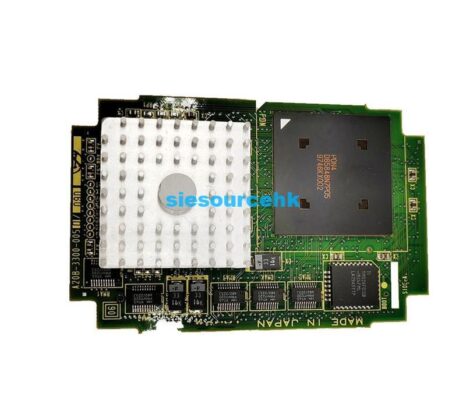
Critical Hardware Standards for a New Fanuc Board
When purchasing a Fanuc board, the physical condition of the PCB (Printed Circuit Board) can tell you a lot about its history. You should look for any signs of “pitting” on the gold-plated connectors, which indicates excessive wear or exposure to corrosive industrial oils. A high-quality Fanuc board will have clean, bright traces and no signs of heat-induced discoloration near the power management sections.
Integrity of Surface Mount Devices
Modern Fanuc board designs rely on Surface Mount Technology (SMT), where components are soldered directly to the surface. I inspect these boards under magnification to ensure there are no “cold solder joints” or micro-cracks caused by thermal cycling. These structural flaws are the primary cause of the “random reboot” issues that plague older CNC machines.
Importance of Original Manufacturer Markings
A genuine Fanuc board will always feature distinct manufacturing codes and the signature yellow-and-black labeling of Fanuc Corporation. Counterfeit boards often display slight font inconsistencies or use lower-grade solder masks that appear duller than the original. Verifying these markings is an essential step in maintaining the safety and certification of your industrial equipment.
Environmental Controls for Storing a Fanuc Board
Proper storage is the only way to ensure a Fanuc board remains viable for future emergency use. These components are highly sensitive to Electrostatic Discharge (ESD) and humidity, which can cause latent failures that appear months after installation. I advise all my clients to keep their spare Fanuc board inventory in a temperature-controlled environment inside anti-static shielding bags.
Managing Moisture and Oxidation
Oxidation on the pins of a Fanuc board can create high-resistance connections that interfere with low-voltage signals. If you are sourcing a board from a region with high humidity, ensure it includes moisture desiccant packs in the packaging. This small detail prevents the long-term corrosion of the internal copper layers within the multilayer PCB.
ESD Protection Protocols
Handling a Fanuc board without a grounded wrist strap can result in a static discharge that fries sensitive logic gates. Professional suppliers follow strict ESD protocols from the moment the board is tested until it is sealed for shipping. This level of care ensures that the Fanuc board you receive is electrically sound and ready for high-precision tasks.
Choosing the Correct Board Series for Your CNC
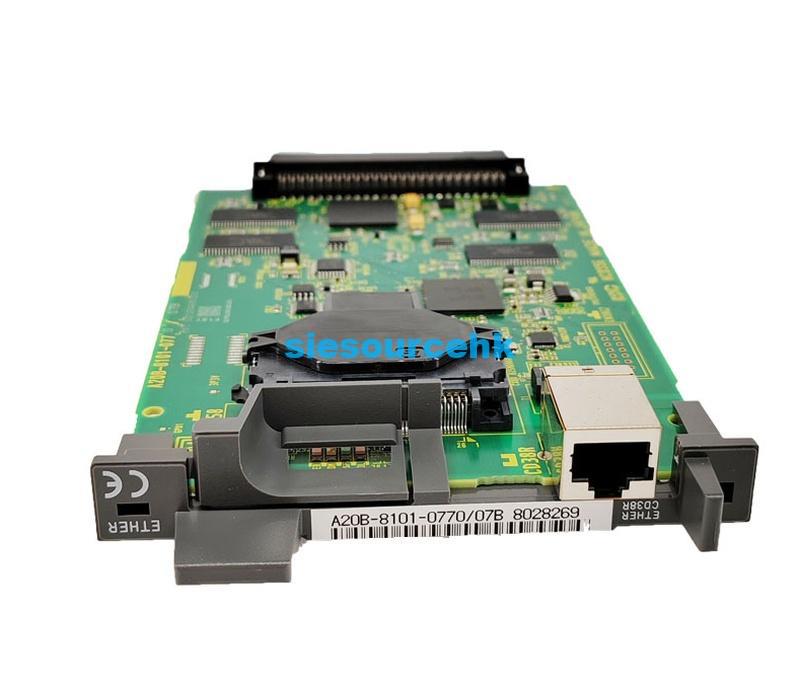
Selecting the right component involves matching the alphanumeric code on your current hardware with available stock. For those needing a specific power supply or control interface, the Fanuc Board A20B-8101-0770 07B is a common requirement for several legacy and modern control systems. This specific model is known for its durability, but only if sourced from a vendor that understands Fanuc’s proprietary architecture.
Deciphering Fanuc Part Number Suffixes
The suffix at the end of a Fanuc board part number often indicates a specific hardware revision or an upgraded component set. In 2026, it is vital to know if your machine requires an “07B” revision or if an earlier version will suffice. Mixing different revisions on the same bus can sometimes lead to timing errors in the CNC’s internal data bus.
Verifying Mounting and Port Configurations
Before finalizing your order, confirm that the port locations on the new Fanuc board match your original unit exactly. Some boards within the same series may have different connector orientations for specific machine tool builders (MTBs). A professional supplier will provide high-resolution photos so you can visually confirm that the Fanuc board will fit into your existing rack without modifying cables.
Summary of Fanuc Board Procurement
Successfully sourcing a Fanuc board requires a focus on technical revision matching and verified functional testing. By prioritizing a FANUC CNC control board with clear manufacturer markings and ESD-safe packaging, you protect your machine from unpredictable electronic failures. Always verify the firmware version and physical PCB integrity to ensure a long-lasting and reliable repair in 2026.
FAQ
1. How do I know if my Fanuc board needs to be replaced?
You should consider replacing the Fanuc board if your CNC displays persistent parity errors, I/O link failures, or if the system fails to boot past the initial BIOS screen. Before purchasing, check the power supply voltages and reseat all cables to rule out simple connectivity issues. If the diagnostic LEDs on the board indicate a logic fault, a replacement is usually the only permanent solution.
2. Can I use a refurbished FANUC CNC control board safely?
Yes, you can safely use a refurbished FANUC CNC control board as long as it has been tested on a specialized Fanuc simulator. Refurbishing typically involves replacing aged capacitors and cleaning the board of industrial contaminants. A high-quality refurbished board can offer the same reliability as a new one at a fraction of the cost, provided the supplier offers a warranty.
3. What is the difference between various Fanuc board revisions?
Revisions represent updates to the circuit design to improve thermal management or to fix known bugs in the original logic. When selecting a Fanuc board, a higher revision number is usually backward compatible, but you must check the specific technical bulletin for your CNC model. In some cases, a newer revision may require a corresponding update to the system software.
4. How should I package a Fanuc board for shipping to a repair center?
You must wrap the Fanuc board in an anti-static bag and then use at least two inches of anti-static bubble wrap for cushioning. Place the board in a sturdy double-walled box to prevent physical bending during transit. Proper packaging is essential to prevent ESD damage and physical stress to the surface-mount components during shipping.
5. Why are gold connectors on a FANUC CNC control board important?
Gold is used on the edge connectors of a FANUC CNC control board because it does not tarnish and provides a low-resistance electrical path. If the gold plating is worn down to the nickel or copper layer, it can cause “ghost alarms” due to intermittent signal loss. Always inspect the pins for wear before installing a used board to ensure a stable electrical connection.
Reference Sources
Fanuc Global Service – Technical Maintenance Manuals
IEEE – Industrial Electronics and Control Systems Standards
Control Engineering – CNC Electronic Troubleshooting Guides
| A20B-2900-0380 | A20B-2100-0220 | A20B-8200-0843 | A20B-2200-0750/02A |
| A20B-2901-0360 | A20B-2101-0012 | A20B-8101-0790 | A20B-2102-0650 |
| A20B-2900-0160 | A20B-8200-0393 | A20B-8201-0087 | A20B-8201-0085 |
| A20B-2900-0400 | A20B-8200-0843 | A20B-8201-0086 | A20B-8201-0088 |