


Blog
Why Use Schneider Contactor for Reliable Motor Control?

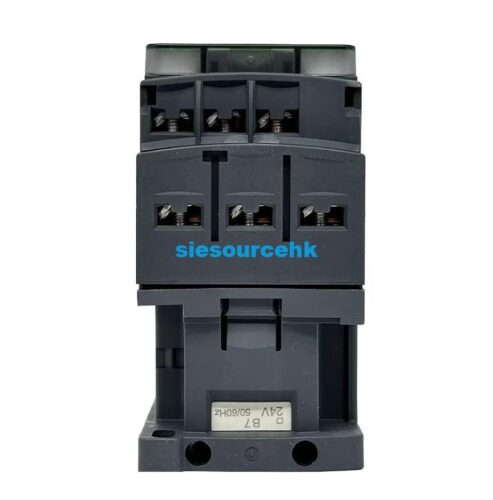
In industrial electrical design, selecting the right switching component is a critical decision. I have found that a high-quality Schneider contactor often serves as the backbone of a reliable control system. Many operators face frequent downtime due to contact wear or coil failure in cheaper alternatives. These issues lead to production halts and increased labor costs for emergency repairs.
I will share my insights on how these components solve core industrial challenges. We will focus on reliability, power efficiency, and motor safety. My aim is to help you understand the technical advantages of this specific brand. By choosing correctly, you can ensure your electrical cabinets perform predictably for years.
Maximizing Uptime with Schneider Contactor High Reliability
In my years of field experience, Schneider contactor high reliability is a proven benchmark. Reliability in heavy industry means the device must withstand thousands of cycles daily. These contactors are engineered to meet the stringent IEC 60947-4-1 standards. This ensures they operate safely under heavy inductive loads without mechanical failure.
The internal contacts are made from high-grade silver alloys. This material choice prevents excessive oxidation and reduces electrical resistance during operation. I have noticed that these units maintain a low temperature even during continuous duty. Lower heat levels extend the life of the plastic housing and surrounding components.
Furthermore, the mechanical design incorporates shock and vibration resistance. This is vital for applications in mining, construction, or heavy manufacturing. The robust build quality prevents nuisance tripping or accidental contact opening. This stability is the primary reason I recommend them for mission-critical infrastructure.
Superior Contact Life and Material Science
The longevity of a contactor depends on the quality of its switching surface. Schneider uses advanced metallurgy to ensure clean breaks during every cycle. This reduces the risk of contact welding, which is a common failure mode. By minimizing contact bounce, the device protects both itself and the load.
Efficiency Gains via Schneider Contactor Low Power Coil
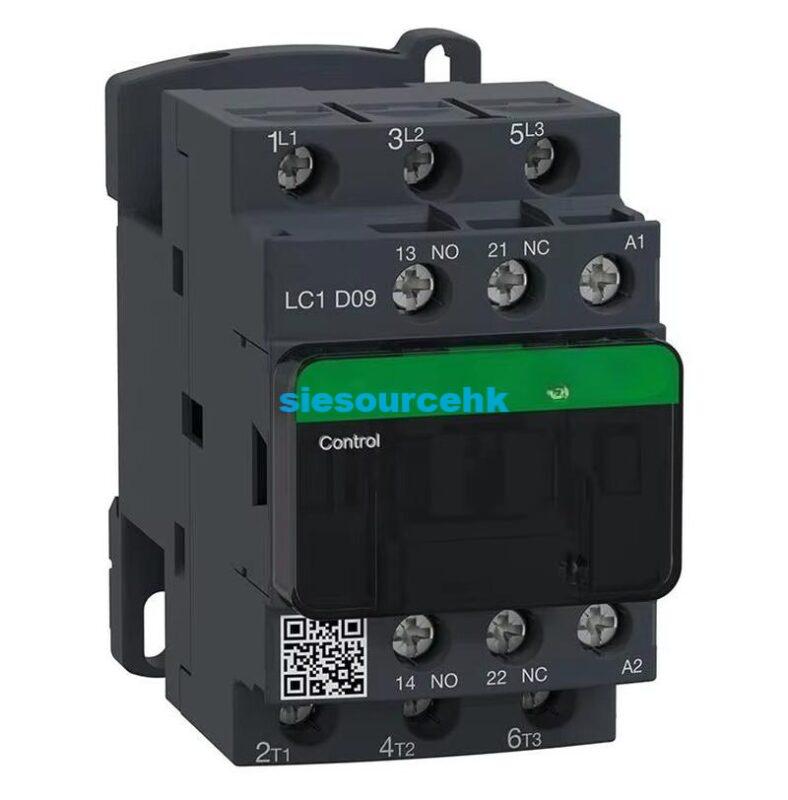
Energy management is no longer optional in modern facilities. Utilizing a Schneider contactor low power coil provides a clear path to reducing operational costs. These coils require very low holding current to keep the contacts engaged. In a cabinet with dozens of contactors, the energy savings are quite noticeable.
One significant advantage I often highlight is the reduced thermal load. Standard coils generate heat that can degrade other sensitive electronics in the panel. Low-power versions run significantly cooler, which improves the overall lifespan of the control system. This is especially beneficial in sealed enclosures with limited airflow.
From a control perspective, these coils are revolutionary. They can be driven directly by the digital outputs of a PLC or motion controller. I have seen this eliminate the need for intermediate interface relays. This reduction in component count simplifies wiring and reduces potential failure points.
Direct PLC Integration Benefits
Connecting a contactor directly to a PLC saves significant space on the DIN rail. It also reduces the complexity of the control circuit drawings. Since no extra power supply is needed for interposing relays, the installation is much cleaner. This efficiency helps engineers meet tight project deadlines and budgets.
Implementing Advanced Schneider Contactor Motor Protection
The primary role of a contactor in many systems is starting and stopping motors. Effective Schneider contactor motor protection is essential to prevent expensive motor burnouts. These devices are designed to work in perfect coordination with thermal overload relays. This combination provides a complete defense against overcurrent and phase loss.
I frequently encounter systems where motors are damaged by simple phase imbalances. Schneider’s protection architecture detects these faults quickly and disconnects the power. The reaction time is optimized to prevent thermal damage to the motor windings. This precision ensures that your most expensive assets remain safe during electrical faults.
The TeSys series features innovative terminal designs that prevent loose connections. Loose wires are a leading cause of localized heating and electrical fires. The EverLink technology maintains consistent pressure on the conductors regardless of temperature changes. This creates a safer environment for both the machinery and the operators.
Selecting the Correct Trip Class
Protection must be tailored to the specific starting characteristics of your motor. I recommend using Class 10 relays for standard tasks and Class 20 for heavy loads. Schneider provides clear documentation to help you match the contactor to the load profile. This accuracy prevents nuisance trips while ensuring maximum safety.
How to Determine the Best Sourcing Path for Your Project
Selecting a contactor involves more than just reading a datasheet. You must ensure the product integrates well with your existing automation architecture. For example, if your project involves high-precision movement, you should consider the Lexium Servo Motion Control range. These systems often work in tandem with contactors to manage power distribution.
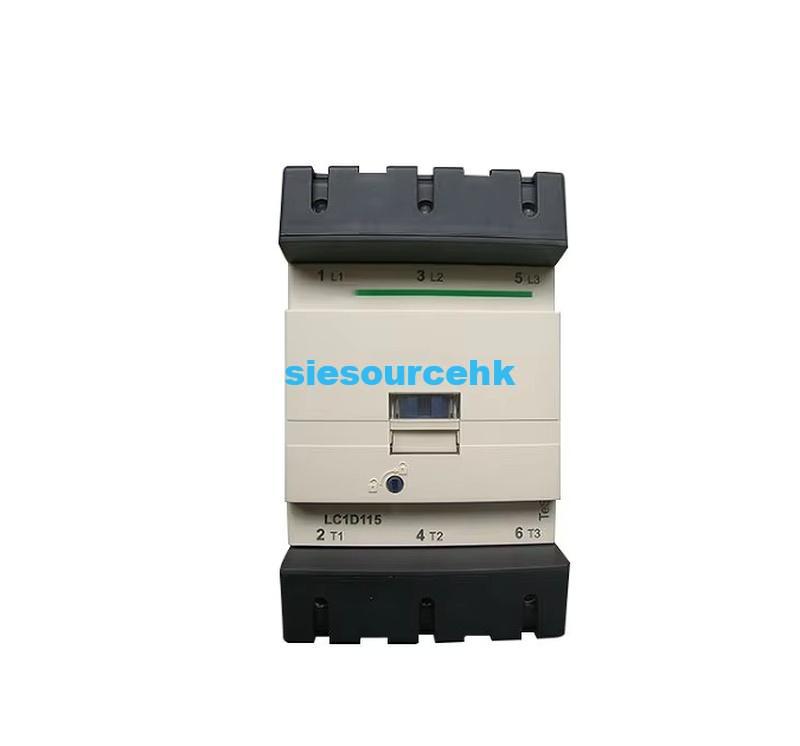
When your application requires a specific high-capacity unit, verify the voltage requirements. A popular choice for mid-range industrial tasks is the Schneider contactor LC1D50AF7. This model is rated for 50A and utilizes a 110V AC coil. Always cross-reference the AC-3 rating with your motor’s full-load current to ensure a safe margin.
Buying from a reputable source ensures you receive genuine components. Counterfeit electrical parts are a major safety hazard in the industry today. I advise working with platforms that provide full technical transparency and support. This ensures that the reliability you pay for is exactly what you get.
Summary
Choosing a Schneider contactor is a strategic investment in industrial reliability and safety. These devices provide excellent motor protection while offering energy-efficient low power coil options. By following the standards discussed, you can reduce maintenance costs and prevent unexpected system failures.
FAQ
1.What is the benefit of a 24V DC low power coil in a Schneider contactor?
It allows direct connection to PLC outputs without using an interposing relay. This reduces heat, saves space, and simplifies the overall electrical design of the control panel.
2.How does a Schneider contactor protect against phase loss?
The contactor works with a compatible overload relay that monitors current in all three phases. If one phase drops, the relay triggers the contactor to open, preventing motor damage.
3.What does the “D50” in LC1D50AF7 stand for?
The “50” indicates the rated operational current for inductive loads (AC-3), which is 50 Amps. This rating is crucial for selecting a contactor that matches your motor’s power.
4.Can I replace a standard contactor with a low power coil version?
Yes, provided the electrical ratings of the contacts are the same. You must also ensure your control system provides the correct voltage and current to drive the low-power coil.
Reference Sources
National Electrical Manufacturers Association (NEMA) – Industrial Control Standards
Wikipedia – Magnetic Contactor Principles and Applications
IEEE Xplore – Research on Electrical Contact Reliability
| LC1D115F7 | LC1D115 | LC1D4011M5 | LC1D32AM7 |
| LC1D150F7 | LC1D128ED | LC1D128E7 | LC1D40AU7 |
| LC1D40AP7 | LC1D128E7 | LC1D128E7 | LC1D65M7 |
| LC1D40AP7 | LC1D95FE7 | LC1D38BL | LC1D32P7 |
| LC1D32P7 | LC1D5011E5 | LAD4RCU | LC1D115F7 |
| LC1D115F7 | LC1D8011M5 | LC1D150F7 | LC1D40AP7 |