


Blog
How Omron Sensors Optimize Industrial Automation?


As a specialist in automation hardware, I often see production lines struggle with downtime. Choosing the right Omron Sensor is frequently the difference between seamless operation and constant maintenance. Many facilities face challenges with inaccurate object detection or environmental interference. These issues lead to wasted materials and reduced throughput. In my experience, an Omron Industrial Sensor provides the reliability needed for high-speed environments. This article focuses on how these components solve core detection problems in modern factories. You will learn how to select the best sensing technology for your specific industrial application. Understanding these tools is essential for maintaining a competitive edge in manufacturing today.
Understanding the Role of an Omron Industrial Sensor
Reliability is the foundation of any successful automated system. An Omron Industrial Sensor is designed to meet strict international standards like ISO 13849-1. This ensures that the components contribute to the overall safety and efficiency of the machine. These sensors detect the presence, position, or condition of objects on a production line. They act as the “eyes” of the automation system. Without accurate feedback, a PLC cannot make correct logic decisions. This leads to mechanical collisions or faulty product packaging.
Photoelectric Sensors for Versatile Object Detection
Photoelectric sensors are perhaps the most common type used in factories. They use a light beam to detect the presence or absence of an object. This technology is ideal for long-range detection across conveyor belts. They can identify transparent, opaque, or reflective materials with high precision. Most models offer adjustable sensitivity to filter out background noise. This makes them highly adaptable to changing production requirements.
Proximity Sensors for Reliable Metal Detection
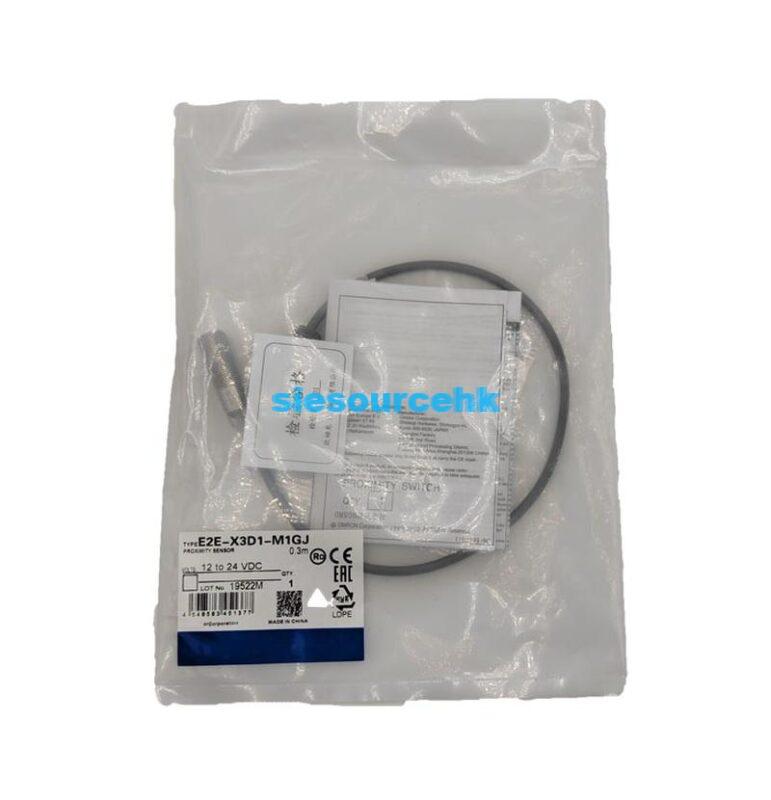
Proximity sensors are essential when you need to detect metallic objects without physical contact. These sensors are extremely durable and often feature IP67 or IP69K ratings. They resist dust, oil, and water splashes common in heavy industrial settings. Because they have no moving parts, their operational lifespan is significantly longer than mechanical switches. I often recommend them for high-cycle applications where physical wear is a major concern.
Fiber Optic Sensors for Limited Space
In compact machinery, standard sensor bodies may be too large to fit. Fiber optic sensors solve this by separating the sensing head from the amplifier. The thin fiber cables can reach into tight crevices or high-temperature zones. They provide high-speed response times necessary for pharmaceutical or electronic assembly. This flexibility allows for complex detection tasks in very small footprints.
Why Use an Omron Automation Sensor for System Integration?
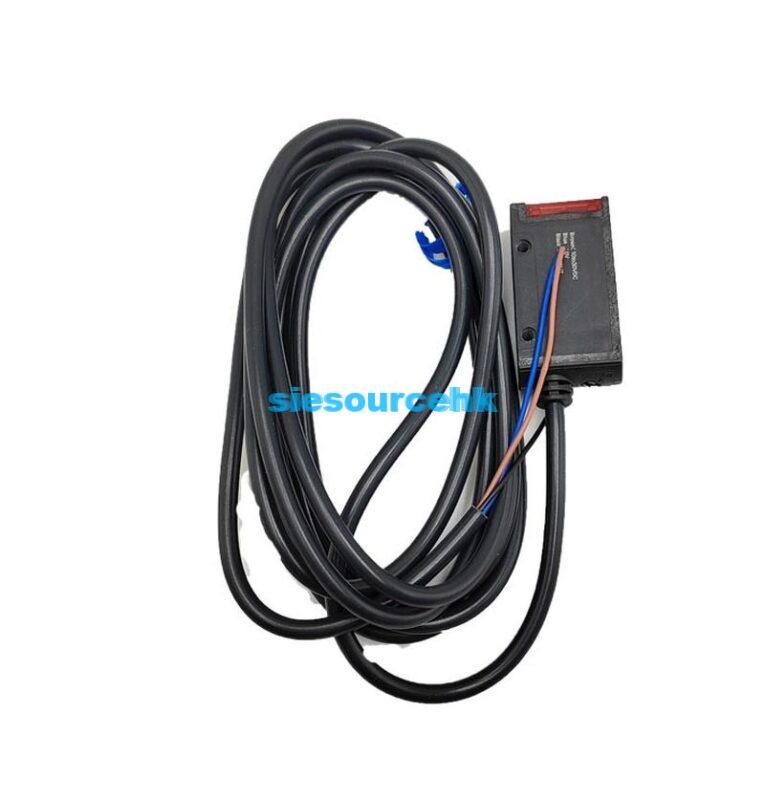
Modern factories require more than just a simple “on/off” signal. An Omron Automation Sensor often supports advanced communication protocols like IO-Link. This technology allows the sensor to send diagnostic data back to the central controller. You can monitor the health of the sensor in real-time. This enables predictive maintenance before a complete failure occurs. Integrating these smart sensors reduces the time required for troubleshooting.
Real-Time Diagnostics and Reduced Downtime
Smart sensors notify the system if a lens is dirty or if the target is out of range. This proactive feedback prevents sudden line stops. I have seen facilities reduce emergency repairs by 30% using these features. The ability to configure sensors remotely also speeds up product changeovers. You no longer need to manually adjust every sensor on the line.
High-Speed Performance in Automated Lines
Production speeds continue to increase in the packaging and food industries. An Omron Automation Sensor is engineered for high-frequency switching. This ensures that every item is counted or inspected correctly, even at high velocities. Inconsistent sensor response times can lead to sorting errors. Omron technology minimizes jitter and ensures stable signal output under stress.
Key Features of Modern Omron Detection Sensor Technology
The versatility of an Omron Detection Sensor comes from its advanced internal circuitry. Manufacturers prioritize environmental resistance and electrical stability. These sensors are built to handle electromagnetic interference (EMI) from nearby motors. This prevents “ghost” signals that trigger false alarms. Accuracy remains consistent even as ambient temperatures fluctuate during the workday.
Precision Sensing in Harsh Environments
Industrial environments are rarely clean or controlled. A high-quality Omron Detection Sensor uses specialized coatings to repel oils and chemicals. This prevents the buildup of residue that could interfere with the light beam. Robust housing materials like stainless steel protect the internal electronics from physical impact. These features ensure a lower total cost of ownership over the sensor’s life.
Simplified Installation and Alignment
Many Omron models feature visible red light beams or LED indicators. This makes the mechanical alignment process much faster for technicians. Some sensors include “auto-teaching” buttons that calibrate the detection threshold automatically. This removes the guesswork from setting up complex detection tasks. Faster installation translates directly to lower labor costs during machine assembly.
How to Select the Correct Sensor for Your Application
Choosing the right hardware requires a clear understanding of your environment and target material. You must first determine the required sensing distance. Next, consider the environmental factors like moisture or extreme heat. Finally, evaluate the output type needed for your PLC integration.
If you require high-precision fiber optic solutions, specific models like the Keyence Sensor FU-97P are often compared for their specialized capabilities. However, for a broad range of industrial needs, checking the full Omron Sensors & Vision catalog is the best starting point. Selecting a reputable supplier ensures you receive genuine components with full technical support. Always verify that the sensor’s response time matches your machine’s cycle speed.
Summary
An Omron Sensor is a critical component for achieving high levels of industrial automation. These sensors provide the accuracy and durability needed to reduce downtime and improve product quality. By selecting the appropriate Omron Industrial Sensor, you ensure your production line operates at peak efficiency.
FAQ
1.What is the main benefit of using an Omron photoelectric sensor?
The main benefit is versatile, non-contact detection over long distances. These sensors can detect almost any material regardless of its color or surface texture.
2.Are Omron sensors compatible with other PLC brands?
Yes, Omron sensors use standard electrical outputs like PNP or NPN. This makes them compatible with most global industrial controllers and PLC systems.
3.How does IO-Link improve Omron sensor performance?
IO-Link provides digital data about the sensor’s status and internal parameters. This allows for remote configuration and predictive maintenance alerts.
4.What is the difference between a proximity sensor and a photoelectric sensor?
Proximity sensors typically detect metallic objects at short ranges using electromagnetic fields. Photoelectric sensors use light beams to detect objects at much longer distances.
Reference Sources
Omron Corporation: Industrial Automation Product Overview
Wikipedia: Proximity Sensor and Industrial Automation
Control Engineering: Sensor Technology Trends