


Blog
How to Select and Maintain a Fanuc Servo Drive?

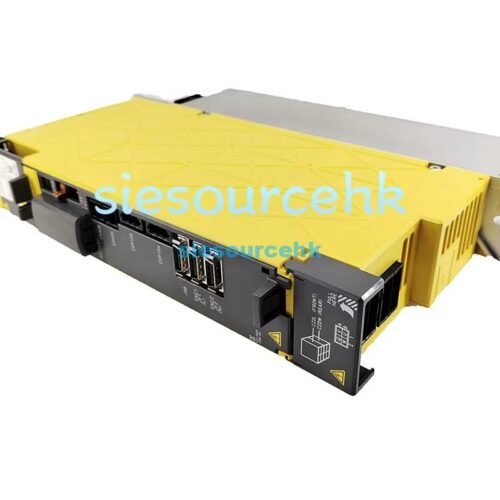
In modern CNC manufacturing, precision is the highest priority for every operator. Many engineers face significant downtime when a Fanuc Servo Drive fails unexpectedly. Choosing the correct replacement requires a deep understanding of electrical compatibility and system architecture.
This guide provides the technical insights needed to manage your Fanuc Servo System effectively. You will learn to identify specific models and maintain high performance in demanding industrial environments. I have found that understanding these components is the first step toward a more reliable production line.
By the end of this article, you will know how to evaluate your current setup. We will cover the differences between various series and how to prevent common failures. Ensuring your Fanuc AC Servo Drive is correctly matched to your motor is critical for longevity.
What is a Fanuc AC Servo Drive and How Does it Work?
A Fanuc AC Servo Drive is an electronic device that controls the motion of a servomotor. It receives low-power command signals from the CNC controller. These signals are then converted into high-power electrical current to drive the motor’s movement.
This process allows for extremely precise control over position, speed, and torque. According to ISO 10218 standards, these drives must maintain strict safety and performance levels in automated environments. The drive monitors feedback from the motor constantly to make real-time adjustments.
In my experience, the efficiency of this “closed-loop” system defines the accuracy of your machine tools. If the Fanuc Servo Drive is not calibrated correctly, you may see errors in the finished product. Proper communication between the drive and the control unit is vital for operational success.
The Role of Digital Communication in Precision
Modern Fanuc systems use high-speed serial communication to transmit data. This reduces the amount of wiring required between the controller and the drive. It also minimizes electrical noise that could interfere with signal integrity.
Using a dedicated digital interface ensures that the Fanuc Servo System responds instantly to commands. This responsiveness is essential for complex multi-axis machining. Without fast data transfer, the synchronization between axes can lag, leading to damaged workpieces.
Understanding Feedback Loops for Accuracy
The drive relies on an encoder attached to the motor to verify its position. This feedback loop allows the Fanuc Servo Amplifier to correct any deviations immediately. This constant self-correction is what makes CNC machinery so reliable over long shifts.
High-resolution encoders provide millions of pulses per revolution for granular control. I recommend checking these feedback cables regularly for signs of wear or interference. A stable feedback signal is the backbone of any high-performance Fanuc AC Servo Drive.
Components of a Complete Fanuc Servo System
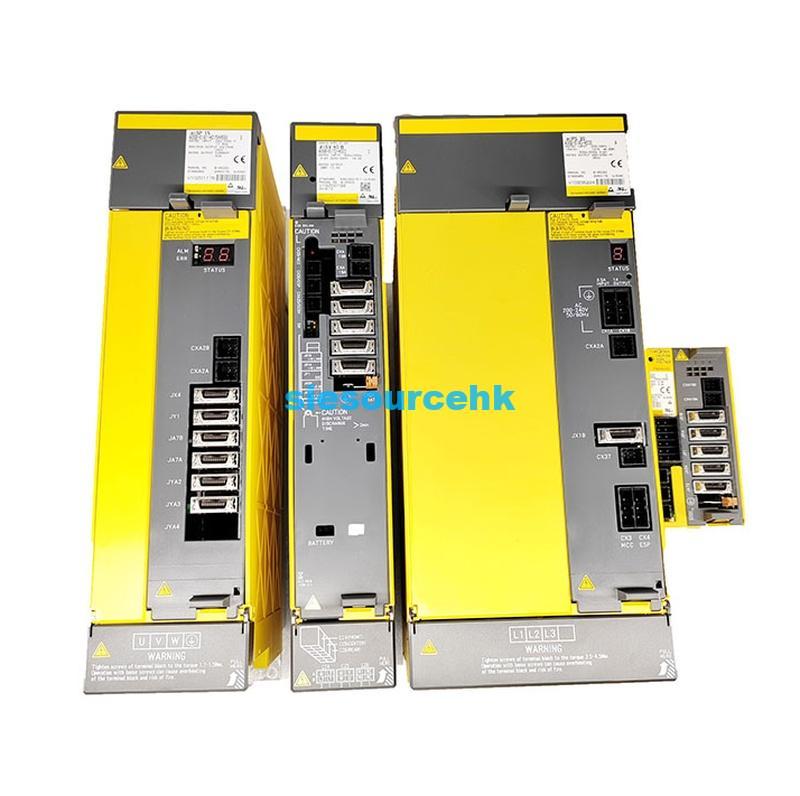
A functional Fanuc Servo System consists of several integrated hardware components. These include the power supply module, the servo amplifier, and the motor itself. Each part must be compatible with the others to function safely.
The power supply module converts incoming AC shop power into stable DC voltage. This DC power is then distributed to one or more servo amplifiers. Each Fanuc Servo Amplifier is responsible for controlling a specific axis on the machine.
Finally, the motor converts the electrical energy from the drive back into mechanical motion. Following industry standards like NFPA 79 ensures these electrical components are safely integrated. Any mismatch in these components can cause the system to trigger an alarm and stop immediately.
Power Supply Modules and Voltage Stability
The power supply is the foundation of the entire electrical cabinet. It must handle sudden surges in demand when the machine accelerates rapidly. If the voltage drops too low, the Fanuc Servo Drive may enter an undervoltage fault state.
I suggest installing line filters to protect your equipment from dirty power. Consistent voltage helps the Fanuc AC Servo Drive run cooler and last longer. Monitoring the input power is a simple way to prevent expensive component damage.
The Integration of Multi-Axis Amplifiers
Some systems use a single amplifier module to control two or three axes simultaneously. These multi-axis units save space in the electrical cabinet. However, they also create a single point of failure for multiple machine movements.
When choosing a Fanuc Servo Drive, consider your cabinet’s physical space and cooling capacity. Multi-axis drives generate concentrated heat that must be managed. Always verify that your cooling fans are functional to protect the internal circuitry.
Key Features of the Fanuc Servo Amplifier Series
The Fanuc Servo Amplifier comes in several distinct series designed for different needs. The Alpha series is typically used for high-performance applications requiring maximum speed and torque. The Beta series offers a more cost-effective solution for less demanding auxiliary axes.
Each series features different communication protocols and physical dimensions. For example, the Alpha i series utilizes a high-speed fiber optic link. This allows for faster data processing compared to older copper-based systems.
In my professional opinion, choosing between Alpha and Beta depends on your specific cycle time requirements. High-speed milling usually demands the power of an Alpha-class Fanuc Servo Drive. For simple tool changers or conveyor belts, a Beta series unit is often sufficient.
Heat Dissipation and Fan Management
Heat is the primary cause of electronic failure in industrial environments. Every Fanuc AC Servo Drive generates thermal energy during operation. Integrated heat sinks and cooling fans are used to pull this heat away from the boards.
If the internal temperature exceeds a certain threshold, the drive will shut down to protect itself. I often find that clogged filters or dead fans lead to nuisance alarms. Cleaning your electrical cabinets monthly can extend the life of your Fanuc Servo System significantly.
Common Error Codes and Their Meanings
Fanuc drives provide detailed error codes on a small LED display. These codes, such as “401” or “414,” point to specific issues like servo alarms or detection errors. Understanding these codes is the fastest way to troubleshoot a broken machine.
Most errors are related to either communication failures or overcurrent conditions. According to the Association For Manufacturing Technology (AMT), standardizing these diagnostic signals helps technicians work faster. Always keep a copy of the Fanuc manual nearby for quick reference.
Selecting the Right Replacement for Your Machine
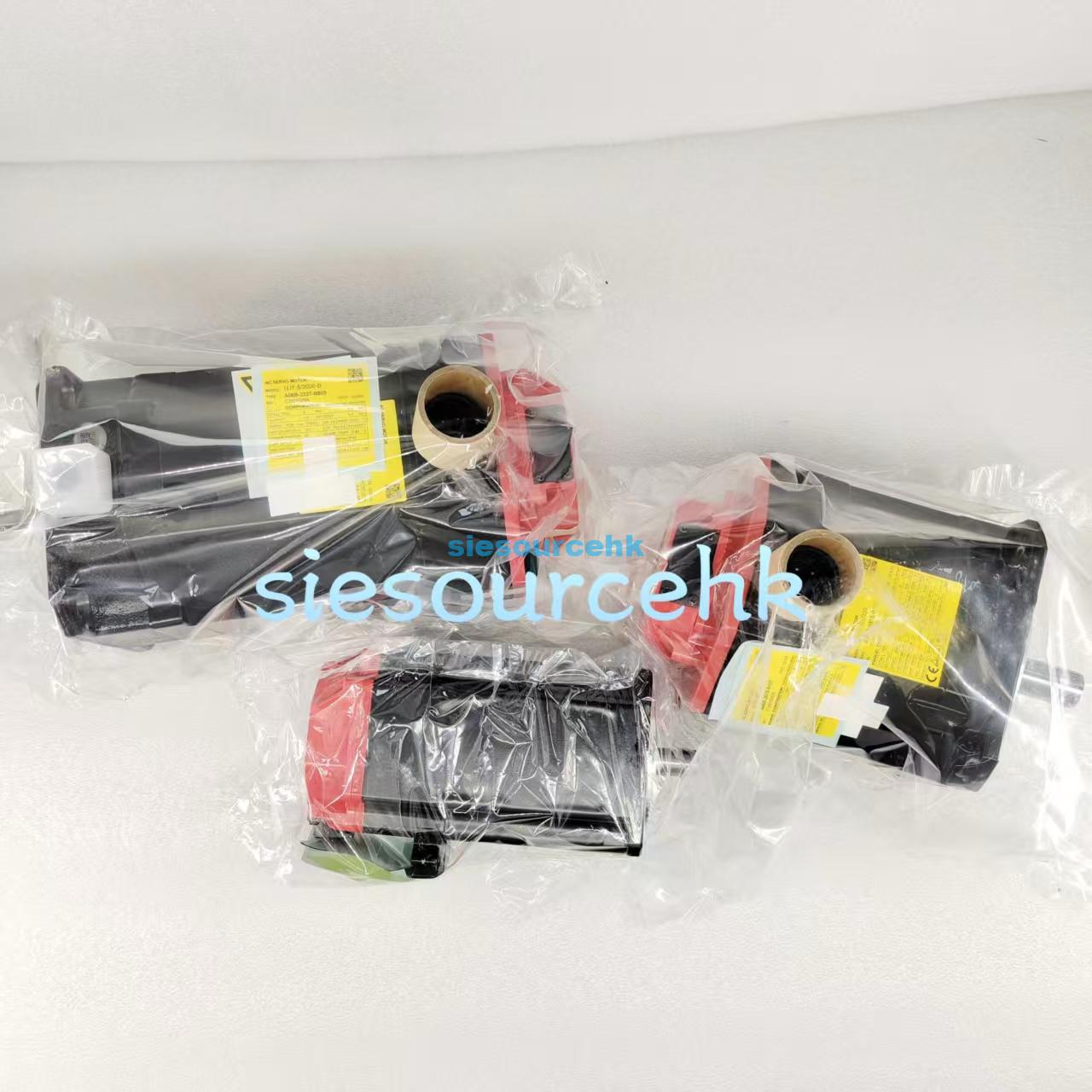
Choosing the correct Fanuc AC Servo Drive involves matching specific part numbers exactly. You should verify the input voltage and current rating against your machine’s original documentation. Checking for software compatibility with your existing CNC controller is also essential.
For those seeking technical verification and high-quality replacements, visiting the Fanuc Servo and Spindle Motor collection provides a comprehensive inventory. If you require a specific dual-axis unit, the Fanuc Servo Drive A06B-6096-H206 is a reliable option for many classic systems. Ensuring your supplier provides verified hardware helps avoid costly installation errors.
Summary
Selecting the right Fanuc Servo Drive is essential for maintaining CNC precision and uptime. By understanding the differences between the Fanuc Servo Amplifier series and ensuring compatibility within your Fanuc Servo System, you can prevent common failures. Always prioritize correct part numbers and proper cooling to maximize the life of your Fanuc AC Servo Drive.
| A20B-2900-0380 | A20B-2100-0220 | A20B-8200-0843 | A20B-2200-0750/02A |
| A20B-2901-0360 | A20B-2101-0012 | A20B-8101-0790 | A20B-2102-0650 |
| A20B-2900-0160 | A20B-8200-0393 | A20B-8201-0087 | A20B-8201-0085 |
| A20B-2900-0400 | A20B-8200-0843 | A20B-8201-0086 | A20B-8201-0088 |
FAQ
1.How do I identify which Fanuc Servo Drive I have?
You can find the part number on a yellow sticker on the front or side of the unit. It typically starts with “A06B,” followed by a series of numbers and letters. This specific identifier is necessary for finding an exact replacement or spare part.
2.What is the difference between Alpha and Beta series drives?
The Alpha series is designed for high-precision, high-speed main axes on CNC machines. The Beta series is a more compact and economical version intended for simpler tasks. I recommend the Alpha series for primary milling and turning operations.
3.Can I swap a single-axis drive for a dual-axis drive?
No, you cannot typically swap them without significant changes to the machine’s wiring and software parameters. The Fanuc Servo System must be configured to recognize the specific number of axes attached to an amplifier. Always stick to the original configuration of your machine.
4.Why does my Fanuc Servo Amplifier keep overheating?
Overheating is usually caused by a failed internal cooling fan or a clogged external filter. Ensure that the air intake on your electrical cabinet is clear of dust and oil. If the fan has stopped spinning, it must be replaced immediately to prevent the Fanuc Servo Drive from burning out.
Reference Sources
NFPA: NFPA 79 Electrical Standard for Industrial Machinery
AMT: The Association For Manufacturing Technology
Fanuc Corporation: Servo Motor and Amplifier Specifications