


Blog
Optimizing Uptime with Fanuc Servo Drive Solutions

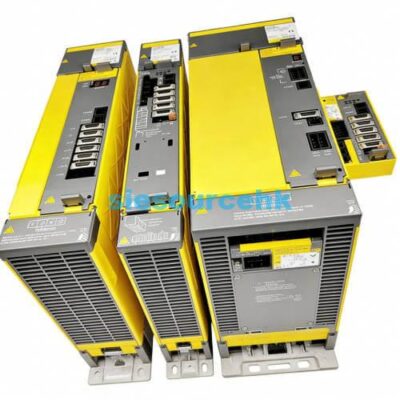
In the high-speed world of CNC machining, precision is the only currency that matters. A single micro-deviation in tool positioning can ruin an entire production batch. At the center of this coordination is the fanuc servo drive, the critical component that dictates how electrical power translates into mechanical force. Many factory managers face the silent frustration of intermittent alarms or sudden axis drifting. These issues often stem from an aging drive or a mismatch in the drive-motor ecosystem. This guide explores the technical framework of motion control to help you maintain a resilient shop floor. We will focus on how to ensure your drive systems operate at peak efficiency for years to come.
The Engineering Core: Why Fanuc AC Servo Drives Define Robotic Accuracy
The fanuc ac servo drive is more than just a power converter. It acts as a sophisticated digital signal processor that manages the velocity and position of robotic axes. Unlike older DC systems, AC technology provides a maintenance-free brushless environment with much higher torque density.
High-Frequency Feedback and Loop Stability
Every fanuc ac servo drive utilizes high-speed FSSB (Fanuc Serial Servo Bus) communication. This protocol allows the drive to receive feedback from the motor encoder thousands of times per second. Choosing a drive with a high-resolution encoder interface is the most effective way to eliminate mechanical vibration during fine finishes. This loop stability ensures that the actual tool path mirrors the programmed path exactly.
Thermal Management in High-Duty Cycles
Modern manufacturing requires machines to run 24/7 without interruption. Heat is the primary byproduct of high-speed switching in the power modules. Utilizing an original fanuc ac servo drive ensures your system benefits from advanced heat sink designs and high-quality cooling fans. Proper thermal management prevents the internal IGBTs from degrading prematurely, which is a common cause of catastrophic hardware failure.
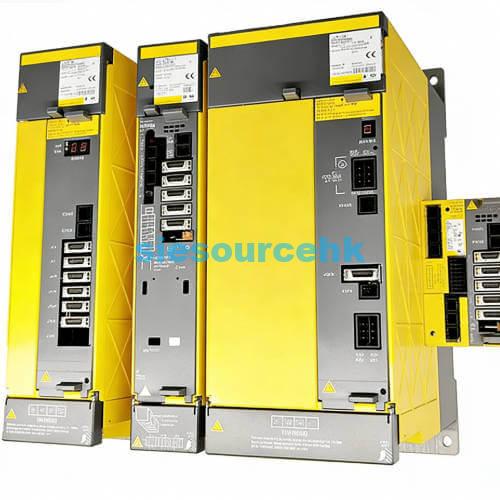
Reviving Performance: The Technical Standards of Fanuc Servo Drive Repair
When a machine stops, the pressure to resume production often leads to hasty decisions. However, a fanuc servo drive repair is a delicate process that requires more than just a soldering iron. It involves specialized diagnostics to identify the root cause of electrical noise or voltage leakage.
Precision Diagnostics and Component Validation
A professional fanuc servo drive repair begins with a full internal audit. Capacitors, which store energy for rapid motor bursts, often dry out over a decade of use. Replacing aging capacitors and testing power transistors under load is vital for restoring the drive to its original factory performance. Without these steps, a “fixed” drive may fail again within weeks of being reinstalled.
Load Testing and Signal Calibration
Repairing a drive without testing it on a dynamic bench is a gamble. A certified technician will simulate various torque loads to ensure the drive handles acceleration and deceleration correctly. Documented load testing is the standard benchmark for verifying that a repaired fanuc servo drive is ready for heavy industrial duty. This verification prevents the drive from tripping “overcurrent” alarms during high-speed machining.
Integration Resilience: Selecting Hardware for Legacy and Modern CNC Systems
Sourcing a replacement fanuc servo drive requires a thorough understanding of your machine’s architecture. Fanuc has produced dozens of generations, from the older Alpha series to the modern Alpha i series. A mismatch in communication firmware or power rating can lead to permanent damage to the motor.
Matching Power Ratings and Peak Currents
The drive’s amperage must match the motor’s stall current and peak demand. If the drive is under-powered, it will overheat during heavy cuts. Ensuring the fanuc servo drive current rating exceeds the motor’s requirements provides a safety margin that extends hardware life. I recommend always verifying the part number suffix, as this often designates specific current capacities.
Legacy Support and Hardware Backward Compatibility
Many facilities rely on machines that are over twenty years old. Sourcing parts for these systems requires a partner with deep inventory and technical knowledge. Selecting an authentic fanuc servo drive for older machines preserves the original machine parameters and prevents expensive controller upgrades. This approach allows companies to maximize the ROI of their existing mechanical assets.
Strategic Decision-Making for Your Motion Control Infrastructure
Deciding whether to buy new or pursue a refurbishment depends on your operational “judgment standard.” If your machine is part of a critical assembly line, immediate replacement might be necessary. However, for backup machines, a professional repair can be highly cost-effective.
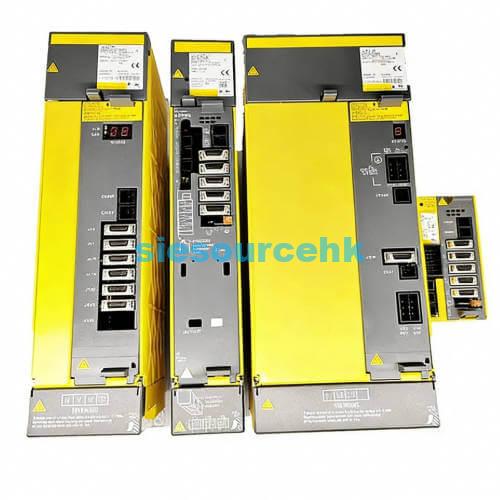
When your production is halted, immediate access to reliable hardware is the highest priority. For high-demand applications, looking at specific models like theFanuc servo drive A06B-6096-H206can provide a fast solution. This unit represents the industrial standard for robust, high-precision motion control across various milling and turning platforms. The right hardware partner acts as a safety net for your production schedule by providing verified, ready-to-install components.
You should always look for suppliers that offer a comprehensive warranty on both new and refurbished units. This protects you from the risks of DOA (dead on arrival) parts or “fake” components. Working with a verified supplier ensures that every fanuc servo drive you install meets international safety and performance benchmarks.
Conclusion
The core conclusion for maintaining precision is that a fanuc servo drive must be integrated with exact current matching and maintained through professional calibration. To ensure long-term stability, you must prioritize genuine fanuc ac servo drive hardware and utilize rigorous fanuc servo drive repair protocols for any system malfunctions. By focusing on these functional pillars, you build an industrial environment that delivers consistent quality and minimizes unexpected downtime.
| A20B-2900-0380 | A20B-2100-0220 | A20B-8200-0843 | A20B-2200-0750/02A |
| A20B-2901-0360 | A20B-2101-0012 | A20B-8101-0790 | A20B-2102-0650 |
| A20B-2900-0160 | A20B-8200-0393 | A20B-8201-0087 | A20B-8201-0085 |
| A20B-2900-0400 | A20B-8200-0843 | A20B-8201-0086 | A20B-8201-0088 |
FAQ
1. What is the difference between a fanuc ac servo drive and a DC drive?
AC servo drives use brushless motors, which are much more reliable and require less maintenance. They also offer higher speeds and better torque control than older DC systems. Standardizing on ac technology is the best way to improve the reliability of your CNC motion control.
2. How can I tell if my fanuc servo drive needs repair?
Look for symptoms like frequent “overcurrent” or “low voltage” alarms on the CNC screen. Also, listen for unusual whining noises or excessive heat coming from the drive cabinet. Early detection of thermal issues can often prevent a complete blowout of the fanuc servo drive power module.
3. Is it safe to use “used” drives from unverified online sellers?
It is extremely risky. Unverified drives may have internal wear that is not visible, such as dried-out capacitors or faulty sensors. Always purchase a fanuc servo drive from a source that provides a technical testing certificate and a clear warranty.
4. How long does a fanuc servo drive repair typically take?
A professional repair usually takes 3 to 5 business days, depending on the availability of specialized components. Many service providers also offer exchange programs for faster turnaround. Utilizing an exchange program is often the most efficient way to reduce the cost of machine downtime.
5. Why is the part number A06B-6096-H206 so common?
This specific model is part of the widely used Alpha series, known for its versatility in both milling and robotic applications. It provides a balanced power-to-size ratio for many medium-sized machines. The A06B-6096-H206 is a prime example of a fanuc servo drive that balances high torque with compact cabinet design.
Reference Sources
IEEE – Power Electronics and Industrial Drive Systems