


Blog
What Is a PLC Interface Module and How It Works?

In my fifteen years of designing industrial control systems, I have found that the physical connection points are where most electrical failures occur. A PLC interface module acts as the essential translator and guardian for your industrial controller. It converts high-voltage signals from sensors into low-level logic that the central processing unit can understand. Without this component, the delicate electronics of your PLC would be exposed to electrical noise and destructive voltage surges. The primary function of a PLC interface module is to provide electrical isolation and signal conditioning between the controller and the outside world. This guide will explain exactly how these modules function to keep your factory running smoothly.
The Essential Role of a PLC Interface Module in Automation
A programmable logic controller cannot interact directly with the high-voltage environment of a factory floor. In my experience, the CPU operates at very low power levels, typically around 5V DC. Conversely, industrial motors and switches often run on 24V DC or 120V AC. A PLC interface module serves as the buffer that allows these two different worlds to communicate safely.
Electrical Isolation and System Protection
One of the most critical tasks of this module is preventing “crosstalk” and surges. It uses components like optoisolators to separate the field wiring from the internal backplane. By providing galvonic isolation, the PLC interface module ensures that a short circuit in a field motor does not destroy the expensive PLC CPU. This protection is the foundation of industrial hardware reliability.
Signal Conditioning and Conversion
Field signals are often messy and filled with electromagnetic interference. The interface module filters out this noise so the CPU receives a clean “on” or “off” signal. It also handles the conversion of analog data, such as temperature or pressure, into digital bits. Signal conditioning is vital for maintaining the data integrity required for precision manufacturing processes.
How a PLC Interface Module Functions in Real-Time
To understand how it works, you must follow the path of an electrical signal through the hardware. When a field sensor triggers, it sends a voltage to the input terminal of the module. The module then processes this signal through several stages before it reaches the controller’s memory.
Input Processing Logic
Inside the PLC interface module, the incoming voltage passes through an optical coupler. An internal LED glows when power is applied, which is sensed by a phototransistor on the “logic side.” This method creates a physical gap that electricity cannot jump across, ensuring safety. The input interface module effectively translates high-energy field events into low-energy logic states for the processor.
Output Execution and Power Driving
When the PLC logic decides to turn on a motor, the process reverses. The CPU sends a command to the output PLC interface module, which then closes a physical or electronic switch. This switch allows higher current to flow to the field actuator. Output modules act as high-power switches that allow a low-power CPU to control heavy industrial machinery.
Diverse Types of Interface Modules for Industrial Needs
Not all field devices communicate in the same way. In my consulting work, I often assist teams in selecting the right module type for their specific infrastructure. Choosing the wrong module can lead to inaccurate data or complete system incompatibility.
Digital vs. Analog Interface Modules
Digital modules handle simple binary states, such as a limit switch being open or closed. Analog modules are more complex, as they must process continuous ranges like 4-20mA or 0-10V signals. Selecting the correct resolution for analog PLC interface modules is critical for applications requiring high precision, such as chemical dosing.
Communication and Specialized Modules
Some modules do more than just pass voltage; they pass data protocols. These communication modules allow the PLC to talk to other computers over Ethernet or Serial links. Specialized versions also exist for high-speed counting or motion control. Communication modules enable the horizontal and vertical integration required for modern Industry 4.0 environments.
How to Judge if an Interface Module Suits Your System
Determining the suitability of a PLC interface module depends on several technical judgment standards. You must first analyze the voltage levels of your field devices and the environment where the PLC is housed. High-vibration or corrosive environments require modules with specific ruggedization ratings.
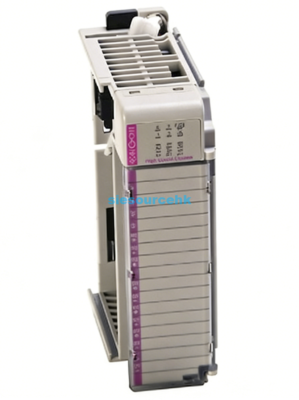
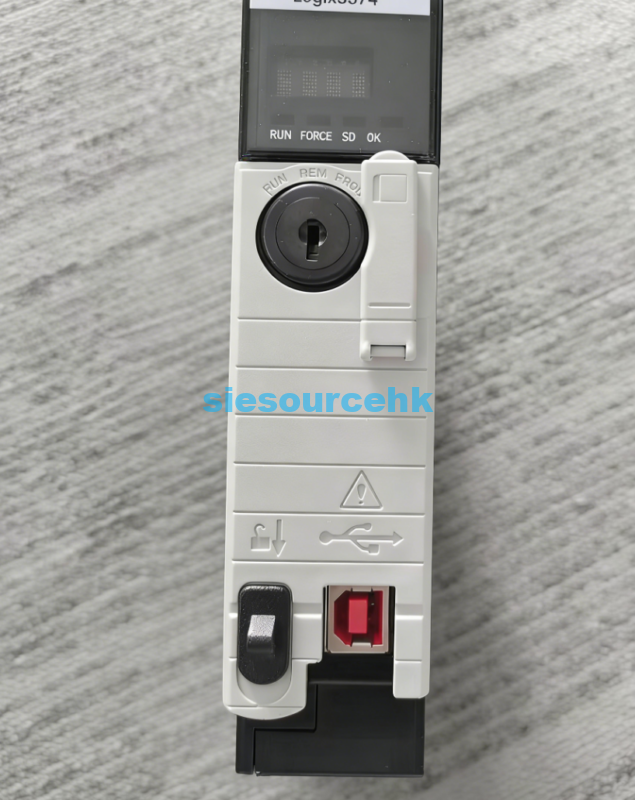
If you are looking for a standard of reliability in the North American market, the Allen-Bradley series is often the benchmark. For instance, the Allen-Bradley PLC 1492-CM1746-M13 is a specialized interface solution designed for the SLC 500 platform. It simplifies wiring by using pre-configured cables, which reduces the chance of human error during installation. Choosing a high-quality interface module from a reputable brand like Allen-Bradley ensures long-term system stability and reduces maintenance downtime.
When evaluating your options, prioritize modules that offer clear LED status indicators for every point. This feature allows technicians to troubleshoot the system at a glance without needing a laptop. The best PLC interface module is one that balances high electrical protection with ease of diagnostic access for field staff.
Conclusion
A PLC interface module is the critical hardware link that provides electrical isolation, noise filtering, and signal conversion between field devices and the controller CPU. To ensure a reliable and safe automation system, you must select modules that match your field voltage requirements and provide robust galvanic protection. By understanding the mechanics of how these modules work, you can design a more resilient control architecture that withstands the rigors of the industrial environment.
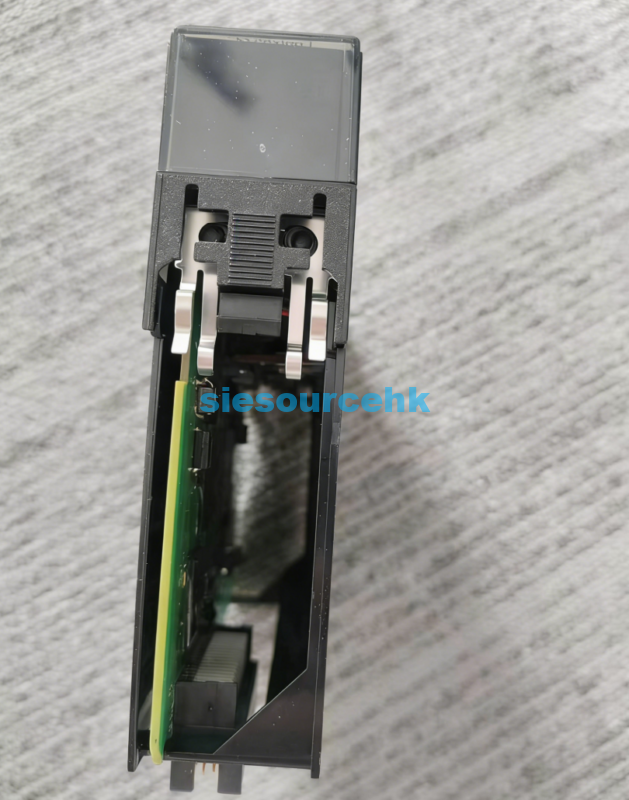
| 1756-0W16I | 1756-IM16IK | 1756-IF6I | 1756-L55 |
| 1756-DHRI0 | 1756-L55M14 | 1756-OW16L | 1756-PSCA2/A |
| 1756-CJC | 1756-LSP | 1756-IV32 | 1756-OV16E |
| 1756-1832 | 1756-TPS | 1756-JMPR | 1756-BATM |
| 1756-IV16 | 1756-CNBK | 1756-CNB/B | 1756-BATA |
FAQ
1. Can I use a PLC interface module from a different brand?
Generally, no. Most interface modules are designed to fit specific manufacturer backplanes. However, there are “universal” terminal-block-style interface modules that can connect to any PLC via standard wiring. Always verify backplane compatibility before attempting to install a PLC interface module into a rack.
2. What happens if a PLC interface module fails?
If an input module fails, the PLC will not “see” the field device, even if the sensor is working. If an output module fails, the machine will not respond to the PLC’s commands. Regularly checking the status LEDs on your PLC interface module is the fastest way to diagnose hardware failures.
3. Is isolation mandatory for all PLC systems?
While not always strictly mandatory for small benchtop setups, it is a non-negotiable requirement for industrial plants. Without isolation, electrical noise from motors can cause the PLC to crash or behave unpredictably. Proper electrical isolation is the primary defense against system instability in heavy-duty manufacturing.
4. How long do these modules typically last?
In a clean, temperature-controlled environment, a high-quality PLC interface module can last over 20 years. However, high-heat environments or frequent electrical surges will shorten this lifespan. Using surge protectors and maintaining proper panel cooling can significantly extend the life of your interface hardware.
5. Why use a module instead of direct wiring?
Modules offer terminal blocks and pluggable connectors that make replacement much faster. They also provide the necessary circuit protection that a raw wire cannot. Utilizing standardized PLC interface modules reduces the total cost of ownership by simplifying installation and troubleshooting.
Reference Sources
ISA (International Society of Automation) — Standards for Industrial Networking and Interfaces
Allen-Bradley (Rockwell Automation) — Technical Specifications for Interface Modules