


Blog
Why use Omron PLC Input Module for sensors?

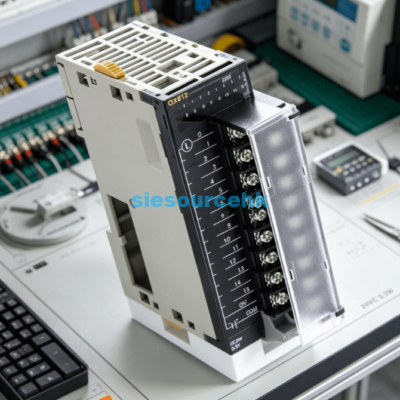
Modern industrial automation in 2026 demands absolute precision and rapid response times from every component. Sensors are the frontline tools that capture critical environmental and mechanical data. However, these sensors require a reliable interface to communicate with the central controller. Using an Omron PLC Input Module ensures that every signal is captured accurately and without interference.
The primary role of this hardware is to bridge the gap between field devices and logic processing. An Omron PLC Input Module converts various electrical signals into readable digital data. This conversion is vital for maintaining the integrity of the automated process. Without a high-quality input interface, systems often suffer from data corruption or delayed reactions.
Omron has established itself as a leader in industrial electronics through decades of engineering excellence. Their input modules are designed to withstand the harsh conditions of 2026 manufacturing plants. These units offer advanced electrical isolation to protect the expensive central processing units. By choosing a dedicated Omron PLC Input Module, engineers can guarantee long-term stability and high system uptime.
Why is an Omron PLC Input Module Essential for Industrial Sensors?
Industrial environments are notoriously noisy due to the presence of large motors and high-voltage equipment. These factors create significant electromagnetic interference that can distort sensitive sensor readings. An Omron PLC Input Module utilizes sophisticated filtering technology to remove this unwanted noise. This ensures that the PLC receives only the true signal from the sensor.
High-fidelity data transmission is a non-negotiable requirement for smart factories in 2026. Most Omron PLC Input Module variants feature galvanic isolation between the input terminals and the internal circuitry. This design prevents high-voltage surges from damaging the broader automation network. It also eliminates ground loop currents that could otherwise compromise sensor accuracy.
Precision in measurement is the foundation of effective quality control in modern production lines. Many Omron modules provide 16-bit resolution, allowing for incredibly detailed signal analysis. This level of granularity means that even 0.01% changes in sensor output are detected. Such precision is essential for chemical processing and high-end electronics assembly applications.
Superior Thermal Stability in 2026 Automation Systems
Temperature fluctuations within control cabinets can often cause sensor readings to drift over time. The Omron PLC Input Module incorporates temperature-compensated components to mitigate this specific issue. This internal compensation ensures that the converted data remains consistent throughout the workday. Consistent data is critical for maintaining the tight tolerances required by international standards.
Engineering teams in 2026 prioritize hardware that can operate reliably in extreme conditions. Most Omron modules are rated for continuous operation in temperatures up to 55 degrees Celsius. They also feature robust housings that resist humidity and vibration-induced failures. Using a high-performance Omron PLC Input Module reduces the need for frequent recalibration.
Reliability is further enhanced by the use of high-quality internal capacitors and solid-state components. These materials are chosen for their long service life and resistance to thermal aging. An Omron PLC Input Module typically boasts a Mean Time Between Failures of over 500,000 hours. This longevity translates directly into lower total cost of ownership for the end-user.
Real-Time Diagnostics and System Health Monitoring
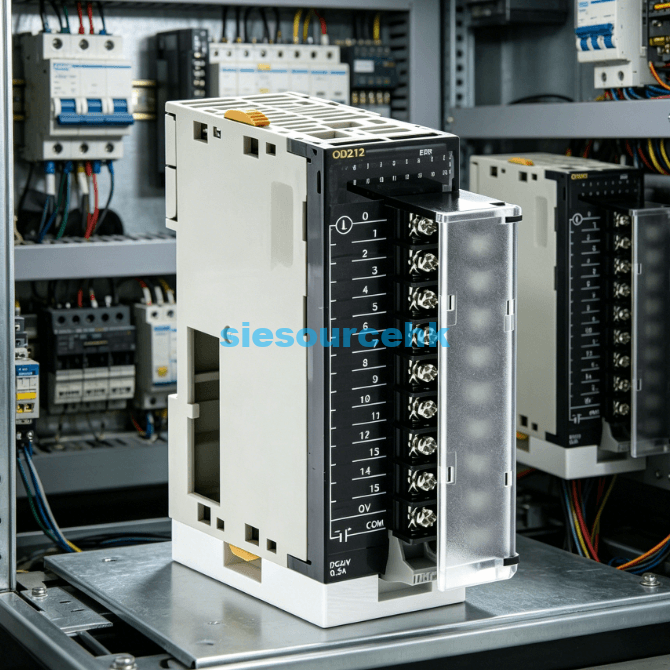
In the competitive landscape of 2026, downtime is the greatest enemy of industrial profitability. The Omron PLC Input Module provides integrated diagnostic tools that monitor the health of every connection. If a sensor wire breaks or a signal goes out of range, the module sends an immediate alert. This allows maintenance teams to resolve issues before they escalate into major failures.
Software integration simplifies the setup and monitoring of these advanced diagnostic features. Omron’s Sysmac Studio platform offers real-time visualization of all input states and error codes. Engineers can view historical data trends to predict when a sensor might be nearing the end of its life. This proactive approach to maintenance is a hallmark of high-efficiency 2026 operations.
Furthermore, the modules support status LEDs for each individual input point on the hardware faceplate. Technicians can perform quick visual inspections without needing to connect a computer or specialized tool. These small design details significantly reduce the time required for routine system troubleshooting. The Omron PLC Input Module is built for both high-level data analysis and practical on-site utility.
Key Performance Advantages of the Omron PLC Input Module?
Speed is perhaps the most critical metric for high-speed sorting and packaging applications in 2026. The Omron PLC Input Module features ultra-fast conversion times, often measured in microseconds. This rapid processing ensures that the PLC can react to physical changes almost instantaneously. Reduced latency allows machines to operate at higher speeds while maintaining strict safety protocols.
High-density configurations are another significant advantage of the Omron hardware ecosystem. Some modules provide up to 64 input points in a single, compact slot. This density allows for more sensors to be connected within a smaller control cabinet footprint. Saving space is a priority for modern 2026 modular machine designs.
| Feature | Performance Specification | User Benefit |
|---|---|---|
| Signal Resolution | Up to 16-bit | Exceptional measurement accuracy |
| Conversion Time | < 1 ms in many models | Higher machine throughput |
| Operating Temperature | 0°C to 55°C | Reliable in harsh environments |
| Isolation Voltage | 1,500V AC or higher | Superior equipment protection |
Advanced Filtering and Signal Processing Capabilities
Traditional input modules often struggle with signal “bounce” from mechanical switches and sensors. An Omron PLC Input Module allows users to configure digital filter timers for every input point. This software-defined filtering ensures that only valid state changes are processed by the controller. It prevents the PLC from reacting to momentary spikes or mechanical vibrations.
The ability to handle multiple signal types is another reason for the module’s popularity. Whether the sensor outputs a 4-20mA current or a 0-10V voltage, Omron has a compatible solution. Some universal modules allow for mixed signal types on the same physical unit. This flexibility reduces the number of spare parts that a factory needs to keep in stock.
Data integrity is maintained through sophisticated error-checking protocols within the module’s firmware. In 2026, the Omron PLC Input Module uses parity bits and checksums to verify internal data transfers. This ensures that the digital value sent to the CPU perfectly matches the analog signal received. Reliable data is the primary catalyst for successful automated decision-making.
Seamless Integration with Distributed I/O Networks
Modern 2026 factories often utilize distributed control architectures to reduce wiring complexity. The Omron PLC Input Module is fully compatible with major industrial networks like EtherCAT and EtherNet/IP. These protocols allow input data to be transmitted over long distances without signal degradation. It also simplifies the process of adding new sensors to an existing production line.
Plug-and-play functionality is a core feature of the Omron CJ and NX series modules. When a module is inserted into the rack, the system automatically recognizes its hardware profile. This automatic identification reduces the risk of configuration errors during system expansion. It also speeds up the commissioning process for new machine installations.
The synchronization between multiple modules is handled by the PLC backplane with nanosecond precision. This synchronization is vital for multi-axis motion control and complex robotic tasks. An Omron PLC Input Module ensures that sensor data is perfectly aligned with the motion of the machine. Accurate synchronization is mandatory for high-precision manufacturing in the current year 2026.
Detailed Analysis of the CJ1W-TS562 Temperature Unit Features?
Temperature monitoring is one of the most demanding applications for any Omron PLC Input Module. The CJ1W-TS562 is a specialized unit designed specifically for high-accuracy thermal data acquisition. It supports six independent inputs, which is highly efficient for complex heating or cooling systems. This module is compatible with both thermocouples and platinum resistance thermometers.
One of the most impressive technical aspects of the CJ1W-TS562 is its wide sensor support. It can process signals from K, J, L, T, U, N, R, S, B, W, and PL II thermocouples. This versatility makes it a universal solution for various industrial furnaces and climate chambers. Users can configure each of the six inputs for a different sensor type if needed.
The conversion speed of the CJ1W-TS562 is optimized for stability in thermal processes. It can update all six input points in approximately 250 milliseconds during standard operation. This ensures that the PID control loops remain responsive to even minor temperature changes. Accuracy for most thermocouple types is maintained within ±0.3% of the measured value.
Enhancing Reliability with Burnout Detection and Scaling
Safety in thermal applications is non-negotiable for industrial plants operating in 2026. The CJ1W-TS562 includes a built-in burnout detection function for every input point. If a thermocouple wire fails, the Omron PLC Input Module immediately sets an error flag. This prevents the heating system from “runaway” scenarios that could lead to fires or equipment damage.
Scaling and offset values can be adjusted directly within the module’s configuration memory. This allows engineers to compensate for discrepancies caused by long sensor lead wires. By fine-tuning these parameters, the system achieves a higher level of absolute accuracy. The module also features cold-junction compensation to ensure precise thermocouple readings.
Data from the CJ1W-TS562 is easily mapped to the PLC memory for use in HMI displays. Operators can monitor real-time temperature gradients and set high/low alarms for each zone. This integrated approach to temperature management reduces the need for external dedicated controllers. The CJ1W-TS562 remains a top choice for precision thermal management in 2026.
Optimizing Thermal Control in Chemical and Food Industries
In the food processing industry, maintaining exact temperatures is essential for product safety. The Omron PLC Input Module provides the consistent data required for strict regulatory compliance. Many facilities use the CJ1W-TS562 to monitor pasteurization and sterilization cycles. Its high resolution ensures that the product reaches the necessary safety thresholds without overcooking.
Chemical reactors also benefit from the high-speed and high-accuracy capabilities of this unit. In 2026, chemical reactions are often monitored with multiple sensors to ensure stability. The CJ1W-TS562 allows for redundant temperature monitoring within a single hardware module. This redundancy is a key factor in preventing hazardous pressure build-ups.
The compact design of the CJ1W-TS562 allows it to be installed in small remote I/O boxes. This proximity to the actual sensors reduces the length of expensive compensated thermocouple wire. Shorter wires decrease the chance of electrical noise affecting the measurement. Using the CJ1W-TS562 provides both technical and financial benefits for industrial facilities.
How to Select the Ideal Omron PLC Input Module for Your Facility?
Selecting the right hardware depends on several technical and environmental criteria. First, engineers must determine the total number of sensors required for the specific process. If space is limited, a high-density Omron PLC Input Module with 32 or 64 points is preferred. For specialized tasks like temperature control, a dedicated unit is a much better choice than a general analog module.
The electrical characteristics of the sensors will dictate the required module specifications. You must verify if the sensor output is a voltage, current, or resistance-based signal. Matching the input impedance of the module with the sensor is vital for signal integrity. Always consult the technical manual to ensure the voltage levels are within the module’s safe operating range.
When evaluating a system for high-density temperature monitoring, the CJ1W-TS562 provides specific technical advantages. Reviewing the technical specifications of the Omron PLC CJ1W-TS562 helps engineers determine if its 6-point capacity fits their rack configuration. This module is particularly effective for those using a mix of different thermocouple types. Selecting the correct model ensures that your 2026 automation system remains reliable and efficient.
Summary
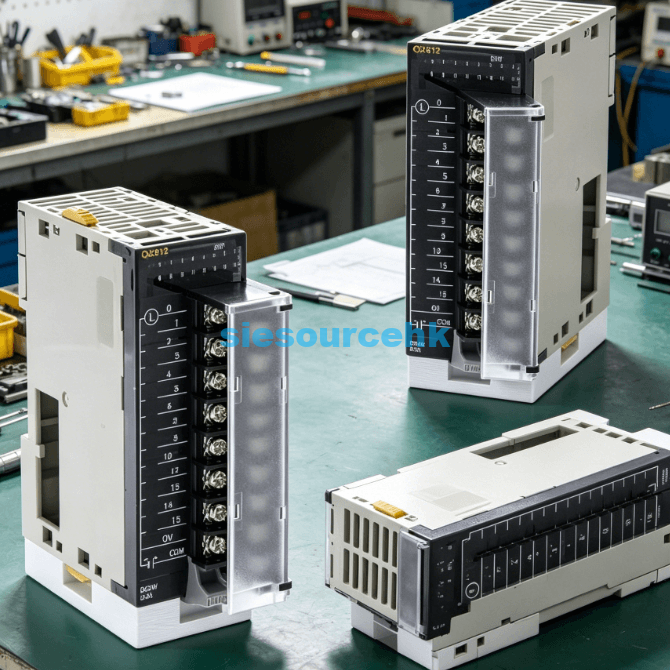
The Omron PLC Input Module is the definitive choice for precision sensor integration in 2026. It offers superior noise immunity, high-resolution data conversion, and advanced diagnostic features. By utilizing specialized units like the CJ1W-TS562, industrial facilities can achieve unmatched accuracy in temperature control and process monitoring. These modules protect central controllers while ensuring peak performance.
PRO TIP
Always utilize shielded cables for all analog sensor connections to your Omron PLC Input Module. Ground the shield only at the PLC side to prevent ground loops from affecting signal accuracy. This simple step can reduce electrical noise by up to 80% in high-interference 2026 factory environments.
| CJ1W-AD081-V1 | CJ1W-OD231 | CJ1W-OD211 | CJ1W-ID231 |
| CJ1W-DA041 | CJ1W-DA041 | CJ1W-PA205R | CJ1W-OD232 |
| CJ1W-ID261-CHN | CJ1W-AD081-V1-NL | CJ1W-DA08V(SL) | CJ1W-1A111 |
| CJ1W-1A111 | CJ1W-II101 | CJ1W-IC101 | CJ1W-OC211 |
| CJ1W-CRM21 | CJ1W-DRM21 | CJ1W-EIP21 |
FAQ
1. What is the main function of an Omron PLC Input Module?
The main function is to receive electrical signals from sensors and convert them into digital data. It provides the essential interface, isolation, and filtering needed for the PLC to process real-world information accurately.
2. Can the CJ1W-TS562 handle different thermocouple types at once?
Yes, the CJ1W-TS562 allows for the independent configuration of its six input channels. Each channel can be set to a different thermocouple type, such as K, J, or T, through the software settings.
3. How does the Omron PLC Input Module protect the rest of the system?
These modules feature galvanic isolation that separates the input circuitry from the PLC backplane. This prevents external electrical surges or faults from traveling through the sensor wires and damaging the main CPU.
4. What happens if a sensor wire is disconnected?
Most modern Omron modules include a burnout or open-circuit detection feature. If a sensor wire breaks, the module will immediately activate an error flag and alert the operator via the PLC software.
5. Why is bit-resolution important in an Omron PLC Input Module?
Resolution determines how many digital increments represent the full range of the analog sensor signal. A higher resolution, like 16-bit, allows the PLC to detect much smaller changes in temperature, pressure, or flow.
Reference Sources
Omron Industrial Automation official website for CJ-Series product specifications.
International Electrotechnical Commission (IEC) standards for programmable controllers.
IEEE Xplore database for research on industrial signal isolation and electromagnetic compatibility.