


Blog
Can a Bad Connector Damage Your Fanuc Motor ?

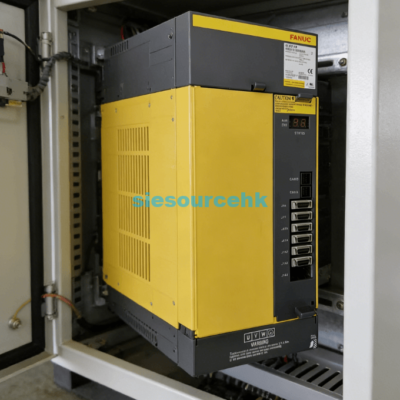
A faulty Fanuc Motor Connector is one of the most common causes of servo system failure in industrial environments. Many technicians overlook the connector during routine maintenance. However, this small component acts as the vital bridge for both power and feedback. If this bridge fails, the results are often catastrophic for the motor and the drive.
Yes, a bad connector can certainly cause permanent damage to your Fanuc motor. The electrical and mechanical stresses resulting from a poor connection lead to overheating and internal insulation breakdown. When power cannot flow smoothly, the motor struggles to meet the torque requirements of the CNC machine. This struggle generates excess heat that eventually destroys the motor windings.
Furthermore, a compromised CNC Servo Drive Component can lead to feedback errors. These errors cause the motor to “shudder” or vibrate violently during operation. This mechanical instability puts immense stress on the motor bearings and shaft. Over time, a simple loose pin can lead to a complete system overhaul costing thousands of dollars.
Mechanisms of Electrical Damage via Faulty Connectors
Electrical current in a servo system is highly dynamic. High-performance motors require rapid bursts of high-amperage current to accelerate. If the Fanuc Motor Connector is damaged or oxidized, it creates significant resistance. This resistance converts electrical energy into heat instead of motion.
Arcing and Voltage Spikes
Poor contact between connector pins creates tiny air gaps. Electricity will jump across these gaps, creating an electrical arc. These arcs generate temperatures that can exceed 1,000 degrees Celsius in localized spots. Arcing creates voltage spikes that can puncture the thin insulation of the motor’s copper windings.
Phase Imbalance and Winding Burnout
A bad connector rarely fails completely on all three power phases at once. Usually, one pin develops higher resistance than the others. This creates a phase imbalance in the power delivered to the motor. The motor then tries to compensate, leading to one winding drawing excessive current and burning out prematurely.
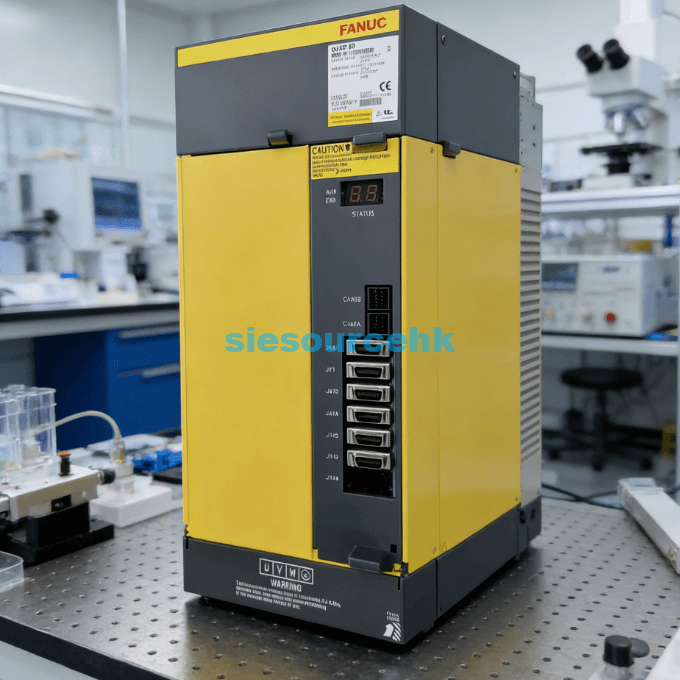
The Role of the Fanuc A06B-0120-K303 in System Safety
The Fanuc A06B-0120-K303 is a high-precision servo drive designed to control and protect the motor. It monitors current, voltage, and feedback pulses in real-time. When a connector begins to fail, the drive is often the first component to notice the abnormality. It acts as a safety barrier against catastrophic failure.
How Servo Drives Detect Connector Issues
The Fanuc A06B-0120-K303 drive uses sophisticated algorithms to monitor current flow. If a connector pin is loose, the current will fluctuate wildly. The drive detects these “noise” patterns and will typically trigger an overcurrent alarm. This rapid shutdown is intended to save the motor from melting down.
Alarm Codes Related to Faulty Connections
Fanuc systems utilize specific alarm codes to warn operators of connection problems. For example, Alarms 8, 9, or 11 often indicate overcurrent or abnormal current in the drive. These codes frequently trace back to a degraded Fanuc Motor Connector or a broken cable. Ignoring these alarms and resetting the machine can lead to the drive eventually failing alongside the motor.
Preventing Connector-Related Motor Failure
Preventative maintenance is the best defense against unexpected downtime. Industrial environments are often filled with coolants, oils, and metal dust. These contaminants easily find their way into a Fanuc Motor Connector if it is not sealed properly. Regular inspections can identify these issues before they cause a fire or motor short.
Regular Inspection Protocols
Technicians should inspect all Industrial Automation Parts Fanuc for signs of discoloration. Darkened plastic on a connector housing is a clear sign of excessive heat. You should also check for “pin push-back” where a pin has retracted into the housing. This prevents proper mating and creates the arcing conditions mentioned earlier.
Proper Torque and Sealing Techniques
Vibration is a constant factor in CNC machining centers. This vibration can slowly loosen the locking rings on circular MS-style connectors. Ensure all connectors are tightened to the manufacturer’s torque specifications. Using high-quality sealing gaskets and “O-rings” prevents coolant from entering the electrical contact area.
- Clean contacts with specialized electrical contact cleaners only.
- Avoid using compressed air which can force moisture into the housing.
- Ensure cables have proper strain relief to prevent pulling on pins.
- Monitor motor temperature using infrared thermometers during peak operation.
- Replace any connector that shows even minor signs of melting or pitting.
- Check the ground pin for continuity to ensure safety against electrical shock.
Analyzing the Physics of Connector Failure
To understand the scale of the danger, we must look at the electrical data. A typical servo motor might draw 20 amps during a rapid movement. If a bad Fanuc Motor Connector develops a resistance of just 0.5 ohms, the power loss at the joint is 200 watts. This is equivalent to a high-powered soldering iron heating up inside your motor’s power port.
This heat quickly melts the plastic pin carriers. Once the plastic melts, the power pins can touch each other or the metal shell of the connector. This causes a direct phase-to-phase or phase-to-ground short circuit. While the Fanuc A06B-0120-K303 has protection circuits, a direct short can still damage the drive’s internal IGBT power modules.
Statistical data from repair centers suggests that 30% of “burnt out” motors were actually caused by external connection failures. This means that many motor replacements are unnecessary if the underlying connector issue is resolved. Maintaining the integrity of the CNC Servo Drive Component link is therefore a major cost-saving strategy.
Selecting Quality Replacement Components
When a failure occurs, the quality of the replacement part is paramount. Low-quality aftermarket connectors often lack the proper plating on the pins. High-quality Industrial Automation Parts Fanuc use gold or silver plating to ensure low contact resistance. This plating prevents oxidation in humid or chemically aggressive factory environments.
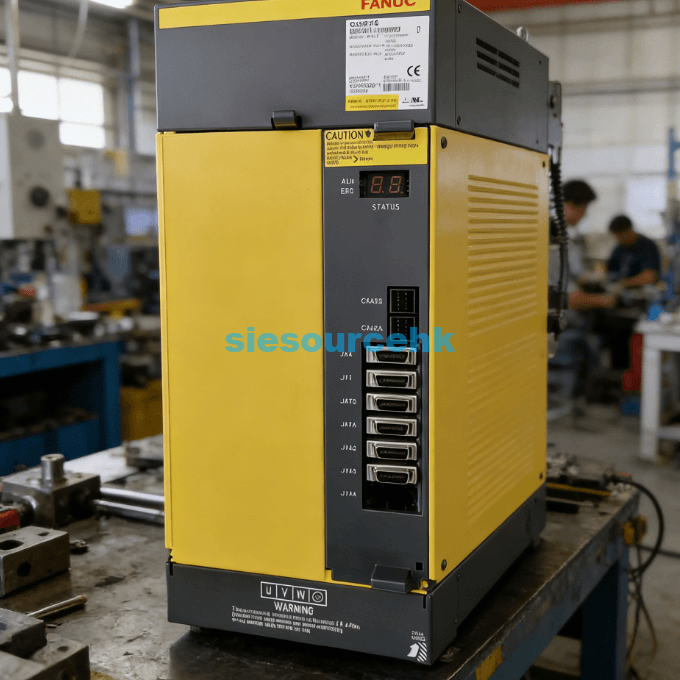
Choosing the right drive is equally important for system longevity. The Fanuc Servo Drive A06B-0120-K303 provides the necessary precision to detect early-stage connection faults. It is designed to work seamlessly with Fanuc motors, offering integrated protection that generic drives lack. Investing in original or high-spec components reduces the “hidden costs” of frequent repairs.
Judgment criteria for a good connector include its IP rating for moisture protection and its vibration resistance. A connector that feels loose or “wobbly” when mated should be discarded immediately. Proper fitment ensures that current is distributed evenly across the contact surface. This prevents the “hot spots” that lead to the mechanisms of damage discussed in this guide.
Summary
In summary, a bad Fanuc Motor Connector is a primary threat to motor health. It causes damage through electrical arcing, excessive heat, and phase imbalance. Utilizing high-performance drives like the Fanuc A06B-0120-K303 can help detect these issues before they become terminal. Regular maintenance and using high-quality Industrial Automation Parts Fanuc are essential for preventing expensive CNC failures.
| A06B-6105-H003 | A06B-6290-H207 | A06B-6400-H102 | A06B-6142-H015#H580 |
| A06B-6220-H037#H600 | A06B-6252-H060 | A06B-6047-H104 | A06B-6141-H026#H580 |
| A06B-6222-H055#H610 | A06B-6077-H106 | A06B-6240-H104 | A06B-6131-H003 |
| A06B-6202-H055 | A06B-6096-H201 | A06B-6151-H030#H580 | A06B-6220-H026#H600 |
| A06B-6400-H002 | A06B-6400-H101 | A06B-6240-H211 | A06B-6202-H026 |
| A06B-6096-H116 | A06B-6079-H203 | A06B-6222-H022#H610 | A06B-6240-H209 |
FAQ
1. What are the symptoms of a failing Fanuc Motor Connector?
Common symptoms include intermittent “Position Loss” alarms, unusual humming noises from the motor, and erratic movement. You may also see the drive display overcurrent or feedback alarms. Physical signs include a hot connector shell or a burnt electrical smell near the motor.
2. Can I clean a burnt connector and reuse it?
No, once a connector has experienced arcing or melting, the metal pins lose their temper and plating. Reusing a burnt connector will result in higher resistance and a much faster failure next time. It is always safer and cheaper in the long run to replace the connector entirely.
3. How does the Fanuc A06B-0120-K303 protect against bad connections?
The drive monitors the “Current Command” versus the “Actual Current” feedback. If it detects a discrepancy that suggests a lost phase or a short, it cuts power to the motor in milliseconds. This prevents the motor from spinning out of control or catching fire.
4. Why does coolant cause connector failure?
Most industrial coolants are water-based and contain chemicals that are mildly conductive. When coolant enters a connector, it creates a “bridge” between pins. This leads to electrolysis and rapid corrosion of the copper pins, which increases electrical resistance and heat.
5. Are feedback connectors different from power connectors?
Yes, power connectors carry high voltage and amperage to drive the motor. Feedback connectors carry low-voltage signals from the encoder. However, a bad feedback connector is equally dangerous as it can cause the motor to “run away” at max speed, leading to mechanical crashes.
Reference Sources
Servo Motor and Drive Maintenance Manuals
Research on Electrical Contact Resistance and Arcing in Industrial Connectors