



Blog
Can Allen Bradley Inverter Save Energy?

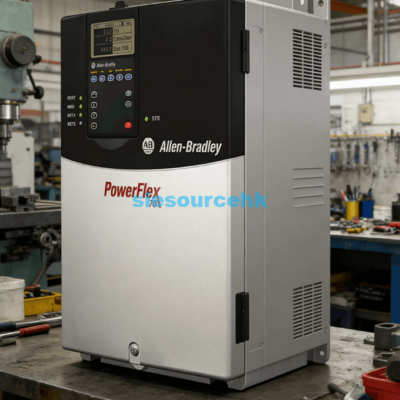
Yes, an allen bradley inverter can save significant energy by controlling the speed of an electric motor. Traditional systems run motors at full speed, regardless of the actual demand. An inverter, also known as a Variable Frequency Drive (VFD), adjusts the frequency and voltage. This adjustment ensures the motor only consumes the power required for the specific task.
The energy-saving potential is most visible in centrifugal applications like fans and pumps. These devices follow the Affinity Laws, which state that power consumption is proportional to the cube of the speed. Reducing motor speed by only 20% can result in an energy saving of nearly 50%. By implementing allen bradley inverters, industrial facilities can drastically lower their electricity bills and carbon footprint.
Furthermore, these devices eliminate the need for mechanical throttling devices like dampers or valves. These mechanical methods waste energy by creating friction against a full-speed flow. An allen bradley inverter provides a more elegant and efficient solution. It regulates the flow directly at the source by slowing down the motor itself.
How Allen Bradley Inverters Optimize Energy Consumption
The primary mechanism of energy saving in allen bradley inverters is their ability to match load requirements. Industrial processes rarely require 100% capacity at all times. By utilizing sophisticated control algorithms, the drive identifies the optimal power point for any given moment. This precision prevents “over-delivery” of energy, which is common in across-the-line starters.
Affinity Laws and Centrifugal Loads
Centrifugal pumps and fans are the largest consumers of industrial electricity. According to the Affinity Laws, speed and power have a non-linear relationship. If a pump operates at 50% speed, it only requires 12.5% of its rated power. Allen bradley inverters allow operators to exploit this law to achieve massive efficiency gains.
Pulse Width Modulation (PWM) Efficiency
Modern allen bradley inverters use Pulse Width Modulation (PWM) technology. This process converts fixed AC power into a variable DC bus before reconstructing the AC output. This high-frequency switching minimizes heat loss within the drive itself. Efficiency ratings for these drives typically exceed 97% under full load conditions.
Matching Motors for Maximum Efficiency
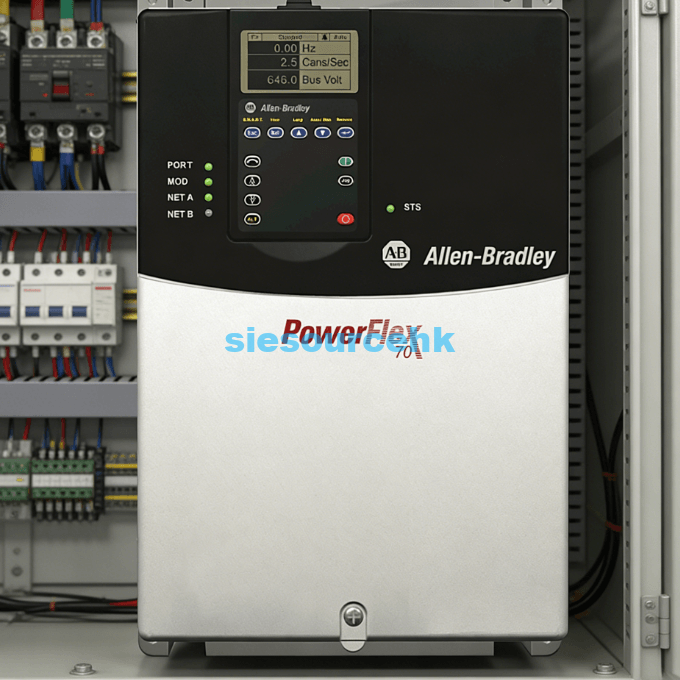
To achieve the best results, the drive must be paired with an allen bradley inverter duty motor. Standard motors can overheat when run at low speeds because their cooling fans slow down. Inverter duty motors are designed with better insulation and sometimes independent cooling systems. This combination ensures the system remains reliable while operating at highly efficient low speeds.
Thermal Management and Low-Speed Operation
Operating at low frequencies can stress the insulation of older motors. An allen bradley inverter duty motor features specialized windings that handle the voltage spikes from the drive. This durability allows the system to run at very low RPMs without thermal degradation. Choosing the right motor-drive pairing is essential for long-term energy sustainability.
Harmonics Reduction in Power Inverters
Electrical noise, or harmonics, can cause energy losses in the power grid. A high-quality allen bradley power inverter includes built-in filters to mitigate these disturbances. Reducing harmonics prevents the overheating of transformers and cables upstream. This holistic approach ensures the entire electrical infrastructure operates at peak efficiency.
- Flow Control: Replaces wasteful mechanical valves with electronic speed regulation.
- Soft Starting: Reduces high inrush currents that can lead to utility demand charges.
- Optimized Torque: Delivers only the necessary torque for the current mechanical load.
- Sleep Mode: Automatically shuts down the motor when no demand is detected.
- Dynamic Braking: Recovers energy during deceleration in certain high-inertia applications.
- Network Integration: Allows for remote monitoring to track real-time energy savings.
Financial and Operational Benefits of PowerFlex Systems
The return on investment (ROI) for an allen bradley inverter is often less than two years. This is particularly true in facilities with 24/7 operations or high energy costs. Beyond direct electricity savings, these drives offer significant indirect financial benefits. They act as a comprehensive motor management tool that protects your capital equipment.
ROI and Energy Audit Data
Energy audits consistently show that motor systems represent over 60% of industrial power usage. By installing allen bradley inverters, facilities can reduce total site consumption by 10% to 30%. Many utility companies also offer rebates for installing VFDs, further shortening the payback period. These incentives make the transition to energy-efficient drives highly attractive for plant managers.
Reduced Mechanical Wear
Frequent starting and stopping of motors at full voltage creates mechanical shock. This shock damages belts, pulleys, and gearboxes over time. Allen bradley inverters provide a “soft start” that ramps up speed gradually. This reduces mechanical stress, extending the intervals between maintenance and reducing the cost of spare parts.
Selecting the Right Drive for Energy Efficiency
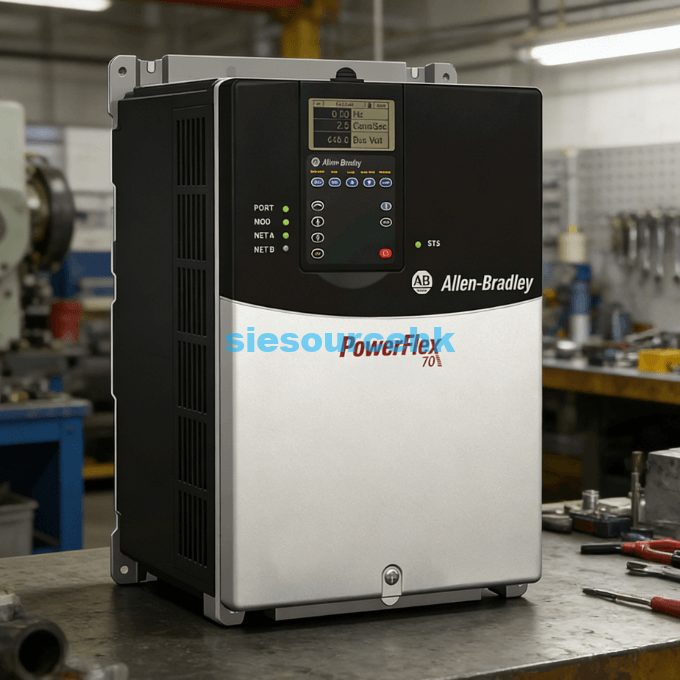
When evaluating your system, the specific model choice is crucial for success. For example, the Allen Bradley Inverter 20AC8P7A0AYNANNN is part of the PowerFlex 700 series. This specific model is rated for 400V AC and 8.7 Amps, making it ideal for precision control of mid-sized industrial motors. It features an IP20 enclosure rating and a compact Frame 0 design for easy installation.
Judging whether a drive is suitable depends on matching its current rating to your motor’s full-load amps. A drive that is too small will fail, while one that is excessively large is an unnecessary expense. The PowerFlex 700 series is known for its “Torque Cassette” technology, which provides exceptional motor control. Using the built-in energy monitoring features of the 20AC8P7A0AYNANNN allows you to verify savings in real-time.
Furthermore, consider the environment where the drive will be placed. If you need to integrate the drive into an existing Allen Bradley ControlLogix system, the PowerFlex series offers seamless communication. This integration allows the PLC to adjust the inverter’s speed based on complex sensor data. Such “smart” control is the ultimate way to ensure every watt of electricity is used purposefully.
Summary
In summary, an allen bradley inverter is a powerful tool for energy conservation in any industrial facility. It saves power by matching motor speed to demand and exploiting the physical laws of centrifugal loads. By pairing the drive with an allen bradley inverter duty motor, you ensure system longevity. Investing in a high-quality allen bradley power inverter results in lower costs and improved mechanical reliability.
| 20F1AND125JNONNNNN | 20F1AND248JNONNNNN | 20F1ANC205JN0NNNNN | 20F1AND248AN0NNNNN |
| 20F1AND125JN0NNNNN | 20F1ANB360JN0NNNNN | 20F1AND186AN0NNNNN | 20F1ANC140JAONNNNN |
| 20F1AND302AA0NNNNN | 20F1ANC170JA0NNNNN | 20F1AND156JN0NNNNN | 20F1AND125AA0NNNNN |
| 20F1AND186 JA0NNNNN | 20F1AND125ANONNNNN | 20F1AND125AN0NNNNN | 20F1ANC205JNONNNNN |
| 20F1ANC477JNONNNNN | 20F1ANC140JA0NNNNN | 20F1ANC205JA0NNNNN | 20F1ANC302AN0NNNNN |
FAQ
1. How much energy can an Allen Bradley inverter save?
The amount of energy saved depends on the application. For fans and pumps, energy savings can range from 20% to 50%. In constant torque applications like conveyors, the savings are usually lower but still significant due to optimized motor control.
2. Is it necessary to use an inverter duty motor with every Allen Bradley inverter?
While not strictly required for all applications, it is highly recommended. An allen bradley inverter duty motor is designed to handle the electrical stresses and reduced cooling at low speeds. Using a standard motor may lead to a shorter lifespan if operated frequently at low RPM.
3. What is the difference between an inverter and a soft starter?
A soft starter only manages the initial start-up and shut-down of a motor to reduce mechanical shock. An allen bradley inverter controls the motor speed continuously throughout its entire operation. Only the inverter can provide ongoing energy savings during the run cycle.
4. Can Allen Bradley inverters be used for single-phase motors?
Most industrial allen bradley inverters, like the PowerFlex 700 series, are designed for three-phase induction motors. While some small drives can accept single-phase input, they almost always output three-phase power to the motor for better efficiency and torque.
5. How does “Sleep Mode” work in an Allen Bradley drive?
Sleep mode is a software feature that detects when the process demand is below a certain threshold. The allen bradley inverter will automatically stop the motor to save 100% of the energy. When the system detects a rise in demand, the drive wakes up and restarts the motor.
Reference Sources
PowerFlex 700 Adjustable Frequency AC Drive Technical Data
IEC 61800-9-2: Ecodesign for Power Drive Systems
NEMA MG 1: Information Guide for General Purpose Inverter-Fed Motors