


Blog
Is Energy Saving Variable Frequency Drive Worth It?

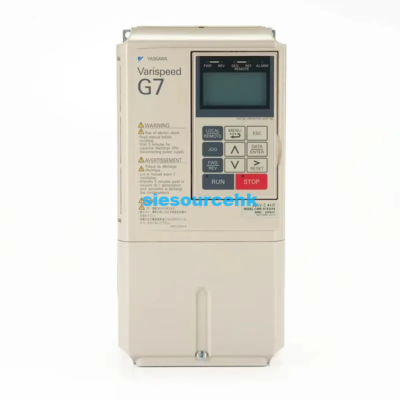
In the precision-driven world of semiconductor manufacturing and electronic assembly, power quality and operational efficiency are critical to success. As energy costs rise and sustainability requirements tighten, manufacturers increasingly rely on Energy Saving Variable Frequency Drives (VFDs) to optimize motor performance. These advanced systems precisely control motor speed and torque by adjusting voltage and frequency, ensuring stable operation in cleanrooms and high-speed production lines. Beyond reducing energy consumption, VFDs help protect sensitive silicon wafers and vibration-sensitive equipment, improving yield and reliability. By replacing traditional on/off motor control with intelligent modulation, Energy Saving Variable Frequency Drives deliver smoother operation, lower power loss, and long-term cost savings—making them an essential component of modern semiconductor manufacturing.
The Technical Mechanisms of Efficiency in Electronic Manufacturing
The fundamental advantage of an Energy Saving Variable Frequency Drive lies in its ability to match power consumption with the actual demand of the application. In many semiconductor tools, such as chemical mechanical polishing or high-vacuum pumps, the load requirements vary significantly throughout the production cycle. Without a VFD, these motors would run at full speed constantly, using mechanical throttles or valves to restrict flow, which wastes a massive amount of energy as heat. An Energy Saving Variable Frequency Drive effectively removes these mechanical bottlenecks by slowing the motor itself. This process follows the Affinity Laws, which state that even a small reduction in motor speed can lead to a disproportionately large reduction in power consumption. In a facility that operates thousands of specialized fans and pumps, the cumulative energy savings can reach staggering levels while simultaneously reducing the thermal load on the building’s HVAC systems.
Precision Control for Semiconductor Cleanroom Environments
Cleanrooms require strict atmospheric control, where airflow must be maintained at exact pressures to prevent contamination. The integration of an Energy Saving Variable Frequency Drive into the air handling units allows for micro-adjustments in fan speed that traditional dampers simply cannot achieve. This precision ensures that laminar airflow remains consistent, protecting the integrity of electronic components during sensitive lithography stages. Moreover, the soft-start capabilities of an Energy Saving Variable Frequency Drive prevent the sudden mechanical jolts associated with across-the-line starting. By gradually ramping up the motor speed, the system reduces mechanical stress on belts, bearings, and seals, which significantly extends the mean time between failures for critical cleanroom infrastructure.
Enhancing Power Quality for Sensitive Silicon Processing
The semiconductor industry is notoriously sensitive to electrical noise and power fluctuations. Modern Energy Saving Variable Frequency Drive units are designed with advanced filtering and harmonic reduction technologies to ensure they do not pollute the local electrical grid. By utilizing active front-end technology, these drives can maintain a high power factor and minimize total harmonic distortion, which is essential for the stable operation of nearby high-precision measurement tools. Furthermore, an Energy Saving Variable Frequency Drive can often ride through brief voltage dips, keeping the production line moving during minor grid instabilities. This reliability is paramount in wafer fabrication, where a single power-related disruption can result in the loss of an entire batch of expensive processed silicon.

Thermal Management and Reduced Component Stress
Heat is the enemy of both longevity and precision in electronic component manufacturing. Traditional motor control methods generate significant heat through friction and electrical resistance. In contrast, an Energy Saving Variable Frequency Drive optimizes the electrical flux within the motor, allowing it to run cooler. This reduction in operating temperature not only saves energy but also slows the degradation of the motor’s insulation and internal components. Within the enclosed spaces of semiconductor equipment, where space for cooling is limited, the ability of an Energy Saving Variable Frequency Drive to minimize heat generation is a strategic advantage. This cooler operation contributes to a more stable thermal environment, which is critical for maintaining the nanometer-scale tolerances required in modern microchip assembly.
Strategic Implementation for Semiconductor Equipment Manufacturers
For Original Equipment Manufacturers specializing in semiconductor tools, incorporating an Energy Saving Variable Frequency Drive into their designs provides a competitive edge in a market that values green manufacturing. These drives offer seamless integration with PLC systems and industrial networks, allowing for real-time monitoring of energy metrics and machine health. When an Energy Saving Variable Frequency Drive is used as part of a smart manufacturing framework, it can provide predictive diagnostics that alert operators to potential motor failures before they occur. This data-driven approach allows for scheduled maintenance during planned shutdowns, virtually eliminating the risk of emergency repairs that could halt a multi-million-dollar production line.
Scalability and Global Voltage Compatibility
The global nature of the electronic component supply chain means that equipment must often operate in different countries with varying electrical standards. An Energy Saving Variable Frequency Drive acts as a buffer, allowing the same piece of semiconductor equipment to run effectively on different input voltages and frequencies. This versatility simplifies the design process for manufacturers and ensures that their products can be deployed worldwide without extensive electrical re-engineering. Additionally, the modular nature of the latest Energy Saving Variable Frequency Drive models allows for easy scaling, whether the application involves a small precision actuator or a massive facility-wide cooling tower.
Cost-Benefit Analysis and ROI in High-Tech Facilities
While the initial cost of a high-end Energy Saving Variable Frequency Drive may be higher than traditional contactors, the return on investment is often measured in months rather than years. In high-tech facilities that operate 24/7, the energy savings alone frequently pay for the hardware in a very short period. Beyond direct energy costs, the reduction in maintenance expenses and the increase in equipment uptime provide significant indirect financial benefits. For semiconductor firms, the increased yield resulting from more stable and precise environmental control further bolsters the economic case for the Energy Saving Variable Frequency Drive. When viewed through the lens of total cost of ownership, the decision to modernize motor control becomes a clear financial and operational imperative.
Future-Proofing Through Intelligent Power Management
As we move toward the era of Industry 4.0, the role of the drive is expanding beyond simple speed control. The next generation of the Energy Saving Variable Frequency Drive is becoming an edge-computing device, capable of processing vast amounts of operational data locally. In the semiconductor sector, this means the drive can detect subtle anomalies in motor torque that might indicate a clogged filter or a failing bearing in a vacuum pump. By addressing these issues early, the Energy Saving Variable Frequency Drive acts as a sentinel for the entire production process. This future-proof capability ensures that manufacturing facilities can continuously optimize their energy profiles and maintain a leadership position in an increasingly competitive global market.

Conclusion
The Energy Saving Variable Frequency Drive has emerged as an indispensable tool for the semiconductor and electronic component industries. Its ability to provide precise control, enhance power quality, and significantly reduce operational costs makes it a cornerstone of modern high-tech manufacturing. By moving away from inefficient, traditional motor control methods and embracing the flexibility of VFD technology, companies can achieve their sustainability goals while improving the reliability of their production lines. As the complexity of electronic devices continues to increase, the demand for the stable and efficient power management provided by the Energy Saving Variable Frequency Drive will only grow. Ultimately, this technology represents a perfect alignment of economic interests and environmental responsibility, ensuring that the future of electronics is as efficient as it is innovative.
| CIMR-VT2A0010BAA | CIMR-VCB0010BAA | CIMR-VB4A0038BAA | CIMR-VC4A0004BAA |
| CIMR-VT4A0018FAA | CIMR-J7AZB0P7 | CIMR-VB4A0023BAA | CIMR-HB4A0304ABC |
| CIMR-VCBA0010BAA | CIMR-J7AZB0P7 | CIMR-VB4A0009BAA | CIMR-VC8A0006BAA |
| CIMR-VBBA0018BBA | CIMR-VC4A0038FAA | CIMR-VC4A0007BAA | CIMR-VC4A0018FAA |
| CIMR-VCBA0012BAA | CIMR-AT4A0038FAA | CIMR-AT4A0038FAA | CIMR-JCBA0006BAA |
FAQ
Q1: How does an Energy Saving Variable Frequency Drive specifically benefit cleanroom air handlers?
A cleanroom requires constant, precise air pressure to keep out contaminants. An Energy Saving Variable Frequency Drive allows the fans to adjust their speed in real-time based on the pressure readings from sensors. Instead of running at 100 percent and using dampers to block air, the VFD reduces the fan speed to the exact level needed. This not only saves a tremendous amount of energy but also ensures a much smoother and more consistent airflow, which is critical for protecting sensitive semiconductor wafers during the manufacturing process.
Q2: Can an Energy Saving Variable Frequency Drive cause interference with sensitive electronic sensors?
High-quality VFDs are designed with electromagnetic compatibility in mind. To prevent interference with the sensitive sensors found in semiconductor equipment, an Energy Saving Variable Frequency Drive should be equipped with proper shielding, grounding, and RFI filters. When installed according to the manufacturer’s guidelines, these drives operate cleanly without disrupting the nanometer-scale measurements or delicate signals required for electronic component testing and assembly.
Q3: What is the expected lifespan of a VFD in a 24/7 manufacturing environment?
In a controlled environment like a semiconductor plant, a well-maintained Energy Saving Variable Frequency Drive can last 10 to 15 years or even longer. The keys to longevity are keeping the drive clean, ensuring proper cooling, and regularly checking the DC bus capacitors. Because the VFD reduces the mechanical stress on the motor it controls, it often extends the life of the entire drive train, making the overall system much more durable than one using traditional start-stop methods.