


Blog
Is a High Efficiency EC Centrifugal Fan Best for Tech?


The core advantage of a high efficiency EC centrifugal fan lies in its advanced motor design. Unlike traditional AC fans, which lose energy through slip and internal heat generation, EC motors use permanent magnets and electronic control to synchronize the magnetic field, minimizing energy waste. This means the fan adds virtually no extra heat to sensitive semiconductor cooling systems. In addition, EC centrifugal fans maintain high efficiency across a wide speed range, allowing them to respond dynamically to real-time thermal loads. Whether operating at full capacity during high-speed etching or running at low demand between batches, the fan consumes only the power needed to maintain temperature setpoints. This precise responsiveness helps prevent thermal shock, protects delicate electronic components, and extends the service life of costly fabrication equipment.
Technical Advantages of EC Technology in Electronics Cooling
In semiconductor manufacturing and electronic component assembly, effective thermal management is critical to operational stability. As microchips become smaller and more powerful, heat density in cleanrooms and processing equipment rises beyond the limits of traditional cooling systems. High-efficiency EC centrifugal fans have become the preferred solution for precise thermal control. Electronically Commutated (EC) technology combines AC and DC advantages through an integrated inverter that drives a brushless DC motor, enabling precise regulation of airflow and pressure. This level of control is essential for maintaining the ultra-stable environments required for silicon wafer processing. By adopting high-efficiency EC centrifugal fans, facilities achieve accurate temperature management while reducing energy consumption and carbon emissions, supporting both sustainability goals and high-performance engineering demands.
Precision Airflow and Static Pressure Management
Semiconductor fabrication involves complex air filtration systems, such as HEPA or ULPA filters, which create significant static pressure. A high efficiency EC centrifugal fan is specifically engineered to overcome this resistance while maintaining a laminar airflow profile. The backward-curved impellers often found in these fans are designed to move air at high pressures with minimal noise and turbulence. This is particularly important in cleanroom environments where air movement must be strictly controlled to prevent particle contamination. Because a high efficiency EC centrifugal fan can be programmed to maintain a constant airflow regardless of filter clogging, it ensures that the environment remains within specified cleanliness classes for longer periods. This capability reduces the frequency of manual filter inspections and ensures that the manufacturing yield remains high by preventing dust deposition on sensitive semiconductor wafers.
Integration with Smart Control Systems and Sensors
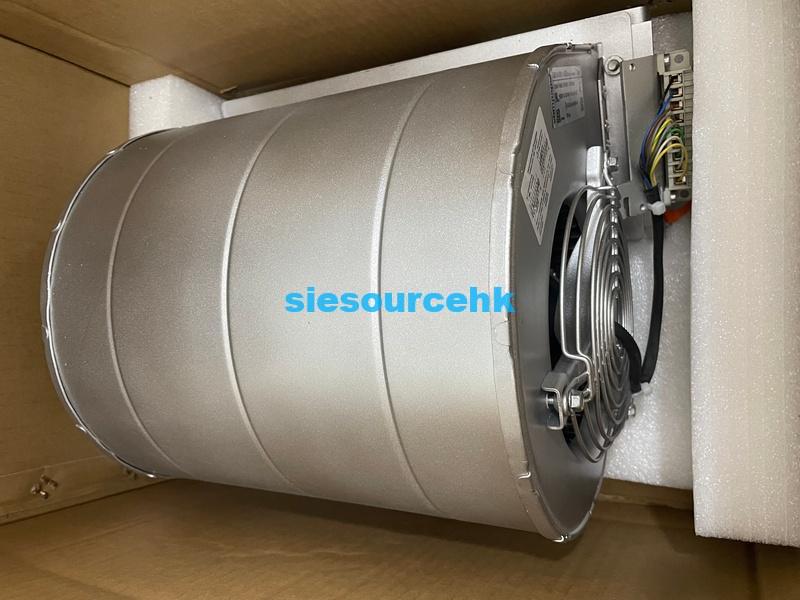
The smart nature of the high efficiency EC centrifugal fan makes it a perfect fit for the Industry 4.0 standards prevalent in the electronics sector. Most EC fans come equipped with 0-10V or PWM control inputs and Modbus communication protocols. This allows the fan to become an active part of the machine’s control loop. For instance, sensors located on a semiconductor processing chamber can feed temperature data directly to the high efficiency EC centrifugal fan, which then adjusts its RPM instantly. This closed-loop control minimizes temperature fluctuations that could otherwise lead to defects in chip manufacturing. Additionally, the digital output from the fan provides real-time health monitoring, alerting technicians to potential bearing wear or power issues before a failure occurs. Such predictive maintenance is invaluable in an industry where an hour of downtime can cost hundreds of thousands of dollars.
Acoustic Performance and Workplace Environment
Noise pollution is a significant concern in large-scale electronic assembly plants. Traditional high-speed fans often produce high-frequency whining that can be disruptive to technicians and may even cause subtle vibrations that interfere with precision lithography tools. A high efficiency EC centrifugal fan operates with a significantly lower acoustic signature compared to its AC counterparts. The electronic commutation ensures a smooth rotation with minimal electromagnetic hum, while the aerodynamic design of the fan housing reduces air-cutting noise. By utilizing a high efficiency EC centrifugal fan, manufacturers can create a more ergonomic workspace that meets strict occupational health and safety standards. This focus on reduced vibration not only benefits the human workers but also protects the alignment of sensitive optical sensors and robotic arms used in semiconductor packaging and testing.
Economic Impact and Sustainability in High-Tech Manufacturing
While the initial investment in a high efficiency EC centrifugal fan might be higher than a standard fan, the return on investment is often realized in less than two years through energy savings alone. In a semiconductor fab that operates 24/7, even a 20 percent reduction in fan energy consumption translates into massive operational savings. Beyond the direct electricity costs, the reduced heat output from the EC motor lowers the burden on the facility’s central air conditioning systems. This double-win for energy efficiency is a key component of corporate social responsibility for modern tech companies. Choosing a high efficiency EC centrifugal fan demonstrates a forward-thinking approach to resource management, aligning the company with global environmental goals and reducing the total cost of ownership for mission-critical cooling infrastructure.
Reliability in Continuous Operation Environments
Electronic components and semiconductor wafers are processed in environments that never sleep. Consequently, the cooling components must be designed for 100 percent duty cycles. The high efficiency EC centrifugal fan is built with high-quality bearings and advanced thermal protection for the electronics. Because the motor runs cooler than an AC motor, the lubricants in the bearings degrade much more slowly, extending the service life of the unit significantly. For users of semiconductor equipment, this reliability means fewer interruptions for component replacement. A high efficiency EC centrifugal fan is often rated for over 50,000 hours of continuous operation, providing a stable and predictable cooling solution that matches the lifecycle of the primary production tools.
Flexibility in Global Power Standards
One often-overlooked advantage of the high efficiency EC centrifugal fan is its universal power compatibility. Because the electronics convert the incoming AC power to DC internally, many EC fans can accept a wide range of voltages and frequencies, such as 200V to 480V at either 50Hz or 60Hz. This is a massive benefit for semiconductor equipment manufacturers who ship their machines globally. By standardizing on a high efficiency EC centrifugal fan, they can simplify their bill of materials and ensure that their cooling systems perform identically whether the machine is installed in a fab in Taiwan, the United States, or Europe. This global compatibility reduces engineering complexity and ensures consistent thermal performance across various geographic regions.
Space Saving and Compact Design
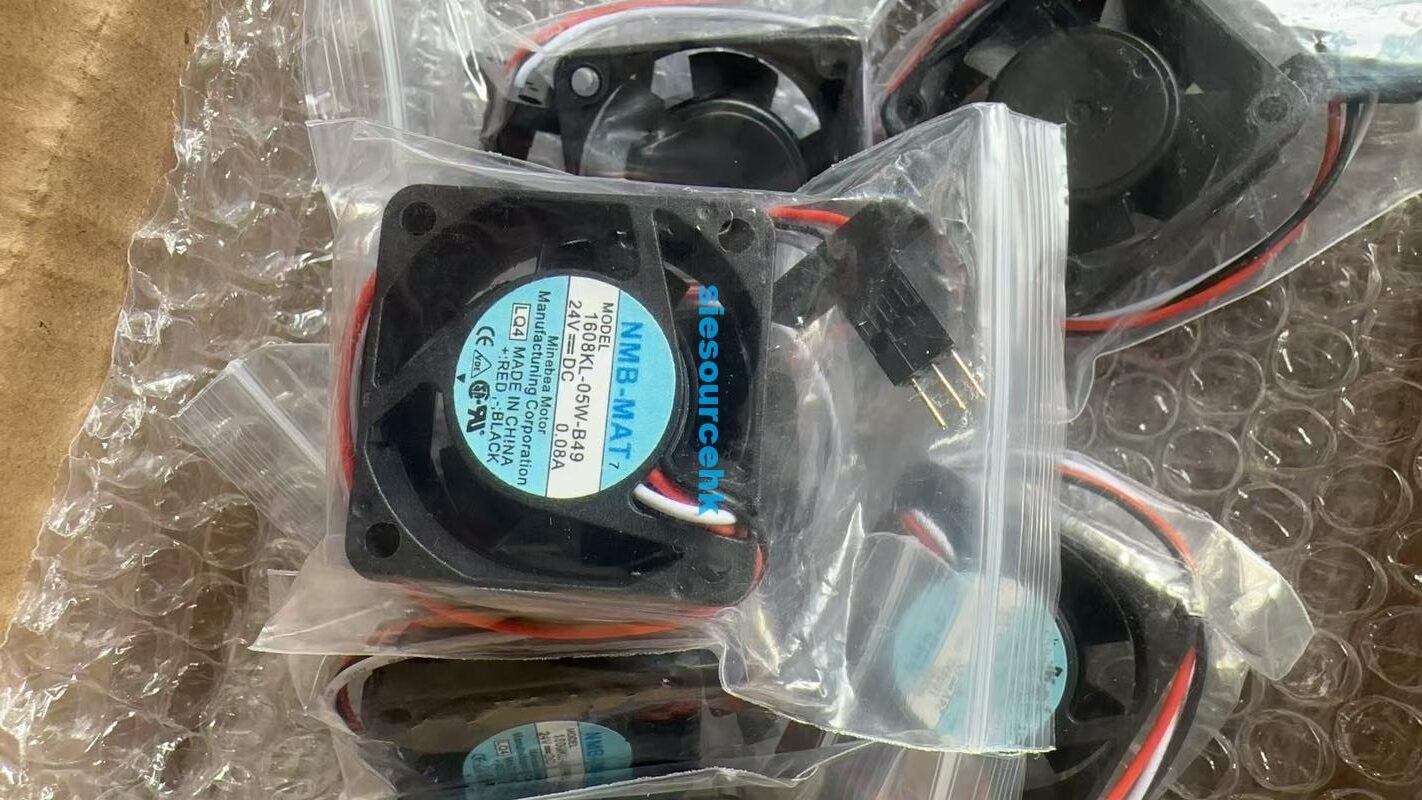
Modern semiconductor tools are designed to maximize the use of expensive cleanroom floor space. The compact footprint of a high efficiency EC centrifugal fan allows it to be integrated into tight equipment enclosures where space is at a premium. Since the electronics are integrated into the motor housing, there is no need for bulky external frequency inverters or extra wiring. This all-in-one design of the high efficiency EC centrifugal fan simplifies the mechanical layout of the cooling system. Designers can place the fan exactly where it is needed most, optimizing the air path for maximum heat extraction without adding unnecessary volume to the machine’s exterior.
Conclusion
The evolution of cooling technology has found its peak in the high efficiency EC centrifugal fan, particularly for the high-stakes world of semiconductor and electronic component manufacturing. By offering superior energy efficiency, precise control, and robust reliability, these fans provide the thermal stability required for the next generation of technological innovation. While they serve a functional purpose, they also embody the values of modern industry: precision, sustainability, and economic intelligence. As heat loads continue to rise in the semiconductor sector, the role of the high efficiency EC centrifugal fan will only become more prominent. For facility managers and equipment designers, the choice is clear: investing in high-efficiency airflow technology today is the best way to ensure the performance and reliability of the hardware of tomorrow.
FAQ
Q1: How much energy can a high efficiency EC centrifugal fan save compared to AC?
On average, a high efficiency EC centrifugal fan can reduce energy consumption by 30 to 70 percent compared to a traditional AC fan with a variable frequency drive. The greatest savings occur during partial-load operation, as EC motors maintain high efficiency even at low speeds. For 24/7 semiconductor facilities, these savings result in a rapid payback period and lower overall operating costs for the cooling system.
Q2: Is a high efficiency EC centrifugal fan difficult to install in existing equipment?
Most high efficiency EC centrifugal fan models are designed to be plug-and-play replacements for standard AC centrifugal fans. Because the control electronics are integrated into the motor, you often need less wiring than a traditional setup. However, it is important to verify the mechanical dimensions and ensure that your control system can provide the necessary 0-10V or Modbus signal to take full advantage of the fan’s variable speed capabilities.
Q3: Does a high efficiency EC centrifugal fan require more maintenance?
In fact, it often requires less. Because the motor runs cooler and the electronics are sealed, the internal components of a high efficiency EC centrifugal fan are protected from the thermal stress that usually causes AC motor failure. The lack of carbon brushes also eliminates a common point of mechanical wear. Generally, the only required maintenance is a periodic visual inspection and cleaning of the impeller to ensure the balance remains perfect and the airflow remains unobstructed.