



Blog
Maximizing Motor Control Using Yaskawa Inverters

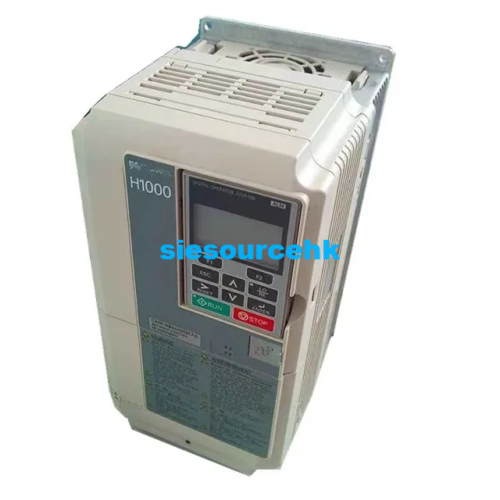
I have spent years optimizing power electronics for complex manufacturing plants. One constant remains: motor control determines your total factory uptime. Many engineers struggle with torque fluctuations during heavy starts or variable loads. Utilizing a Yaskawa inverter effectively eliminates these issues by providing precise frequency modulation. This equipment acts as the cornerstone of modern, energy-efficient motion control systems. Whether you are upgrading a pump system or a robotic conveyor, hardware performance is non-negotiable. This article focuses on how this technology stabilizes high-demand industrial environments through superior engineering.
Maximizing Energy Efficiency and Torque with Yaskawa Inverters
Industrial motors consume a significant portion of global electricity. A Yaskawa inverter mitigates this by matching energy input to the actual load requirement. This process avoids the waste associated with running motors at full speed constantly. Precise frequency control through a Yaskawa inverter reduces mechanical wear and extends motor life.
Advanced Vector Control for Heavy Loads
The ability to maintain high torque at low speeds is a critical requirement. Most standard drives fail to provide enough starting power for heavy machinery. However, these specialized drives use closed-loop vector control to monitor motor position accurately. This ensures smooth acceleration even under maximum load conditions.
Heat Dissipation and Hardware Durability
Excessive heat is the primary enemy of electrical drive components. The original Yaskawa inverter manufacturer designs these units with high-efficiency cooling fins and robust capacitors. These features allow the drive to operate in temperatures where other electronics would fail. Selecting a drive with superior thermal management prevents unexpected circuit trips during peak summer operations.
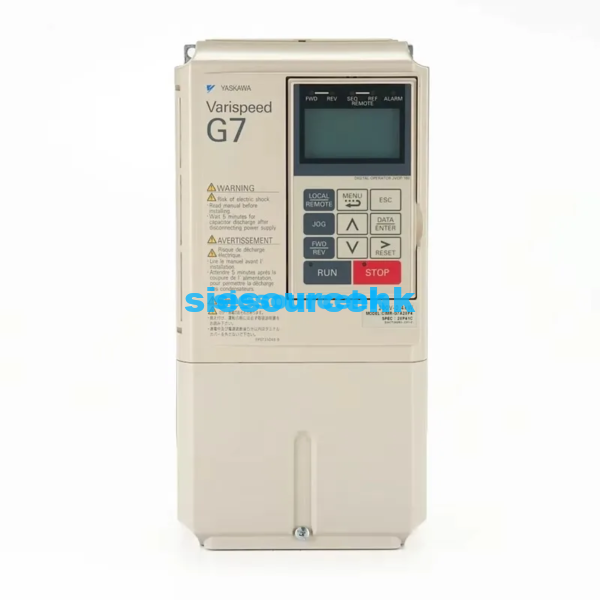
Why Partnering with a Certified Yaskawa Inverter Distributor Matters
Technical hardware is only as good as the support network behind it. Purchasing from an unverified source often leads to integration headaches and lack of documentation. A certified Yaskawa inverter distributor provides the necessary expertise to calibrate the drive for your specific motor.
Authenticity and Manufacturer Warranties
Counterfeit components are a growing risk in the global supply chain. A legitimate Yaskawa inverter distributor guarantees that every unit meets strict factory quality standards. They provide authentic firmware updates and official warranty coverage. Verified sourcing ensures that your safety certifications and insurance policies remain valid for your facility.
Local Stock for Reducing Shutdown Risks
When a drive fails, every hour of lost production costs thousands of dollars. A reputable Yaskawa inverter supplier maintains local inventory to provide immediate replacements. They often offer emergency technical assistance to get your lines running quickly. Maintaining a relationship with a localized Yaskawa inverter distributor is a vital part of a proactive maintenance strategy.
Identifying the Ideal Yaskawa Inverter Manufacturer Standards
Manufacturing quality is defined by consistency and compliance with international benchmarks. The Yaskawa inverter manufacturer follows ISO 9001 and ISO 14001 standards to ensure global reliability. These certifications confirm that the production process is both high-quality and environmentally responsible.
Compliance with International Safety Ratings
Safety standards like SIL3 and PLe are integrated into the drive’s architecture. This allows for safe torque-off functions without the need for external contactors. Choosing an inverter that meets international safety ratings reduces the complexity of your control cabinet wiring. It also enhances the overall safety of the human operators working near the machinery.
Integration with Modern Industrial Networks
Modern factories require real-time data from every component. These drives support various communication protocols, including Mechatrolink and EtherCAT. This connectivity allows for remote monitoring of energy usage and component health. Smart integration with industrial networks enables predictive maintenance and reduces the frequency of manual inspections.
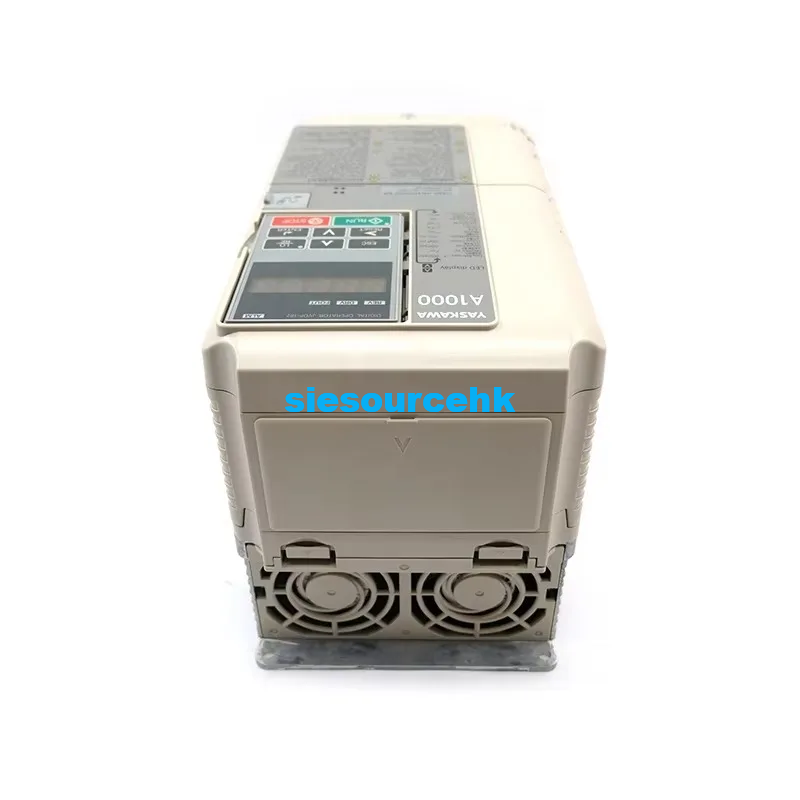
Strategic Selection for Long-Term System Stability
Determining the suitability of a drive depends on your specific torque-to-speed ratio. You must also consider the physical dimensions of your existing control cabinet. High-performance automation requires a drive that balances power density with ease of installation.
If your project requires versatile motor control, exploring a professionalYaskawa invertercatalog is essential. These resources categorize models by power rating and specific industry use cases. A comprehensive product selection allows you to match the drive’s output characteristics to your motor’s thermal limits perfectly.
For applications where space is at a premium, certain specialized models provide an advantage. TheCIMR-VT2A0002BAA inverter by Yaskawais engineered for high performance in a compact frame. It offers the same precision as larger units while fitting into smaller enclosures. The right hardware choice should minimize your installation footprint without sacrificing control accuracy or durability.
Conclusion
Maximizing industrial output requires a Yaskawa inverter that delivers high torque and exceptional energy efficiency. To maintain system integrity, you must source equipment from a verified Yaskawa inverter supplier or distributor who can provide genuine parts and technical expertise. By focusing on these functional standards, you build a resilient automation framework capable of handling the most demanding industrial tasks.
| CIMR-VT2A0010BAA | CIMR-VCB0010BAA | CIMR-VB4A0038BAA | CIMR-VC4A0004BAA |
| CIMR-VT4A0018FAA | CIMR-J7AZB0P7 | CIMR-VB4A0023BAA | CIMR-HB4A0304ABC |
| CIMR-VCBA0010BAA | CIMR-J7AZB0P7 | CIMR-VB4A0009BAA | CIMR-VC8A0006BAA |
| CIMR-VBBA0018BBA | CIMR-VC4A0038FAA | CIMR-VC4A0007BAA | CIMR-VC4A0018FAA |
| CIMR-VCBA0012BAA | CIMR-AT4A0038FAA | CIMR-AT4A0038FAA | CIMR-JCBA0006BAA |
FAQ
1. How does a Yaskawa inverter improve motor lifespan?
It prevents electrical and mechanical shocks during startup by utilizing soft-start technology. This reduces the stress on motor windings and bearings. By controlling the acceleration curve, the inverter ensures that the motor operates within its design limits at all times.
2. What is the role of a Yaskawa inverter supplier in system integration?
A qualified Yaskawa inverter supplier helps you choose the correct model based on your motor’s full-load amperage. They also provide technical drawings and parameter configuration lists. Expert guidance during the selection phase prevents the purchase of underpowered or incompatible drive units.
3. Can I use these inverters for both AC and DC motors?
These inverters are primarily designed for AC induction and permanent magnet motors. They convert incoming AC power to a variable frequency output to control AC motor speed. Always consult your Yaskawa inverter distributor to confirm compatibility if you are using specialized or high-pole-count motors.
4. What should I do if my drive displays an “Overvoltage” fault?
Overvoltage faults often occur during rapid deceleration when the motor acts as a generator. This can usually be solved by adding a dynamic braking resistor or adjusting the deceleration time. Checking the input power stability with the help of your Yaskawa inverter supplier can also rule out external grid issues.
5. Why is the Yaskawa inverter manufacturer known for reliability?
The brand focuses on “Zero Defect” manufacturing principles and rigorous stress testing. Every unit undergoes load testing before leaving the factory. This commitment to quality ensures that the drive performs consistently for over a decade in typical industrial environments.
Reference Sources
Yaskawa Electric Corporation – Technical Drive Specifications and Standards
IEEE – Guide for the Application of Adjustable-Speed Drive Systems
IEC – International Standards for Electrical Equipment (IEC 61800)