


Blog
How to Select an Omron Sensor for Factory Automation?

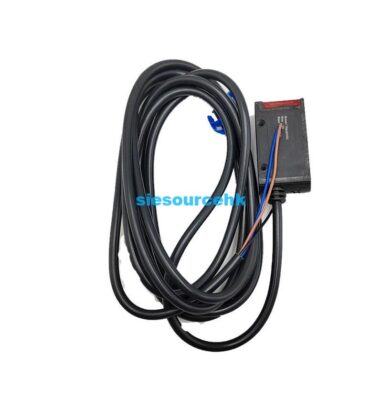
In the demanding environment of modern manufacturing, selecting a high-performance Omron sensor is critical for minimizing downtime. Engineers often struggle with sensor failure due to oil mist, vibrations, or electrical noise on the factory floor. These disruptions lead to costly production halts and wasted materials. A reliable Omron sensor for factory automation provides the precision and ruggedness needed for continuous 24/7 operation. This guide explores how to evaluate sensor technical specs to ensure seamless integration into your automated systems. By choosing the correct sensing technology, you can achieve higher accuracy and long-term stability in your production lines.
Why Choose an Omron Sensor for Factory Automation
Reliability is the primary reason why an Omron sensor for factory automation remains a top choice for B2B buyers globally. These sensors are designed to withstand extreme industrial conditions while maintaining consistent detection. Whether you are detecting metal parts or clear glass, Omron provides specialized solutions for every application.
The diversity of the Omron sensor lineup allows for flexible machine design. From inductive proximity switches to advanced photoelectric sensors, these components offer high-speed response times. This is essential for high-throughput packaging and assembly lines where every millisecond counts toward profitability.
Furthermore, integrating an Omron sensor for factory automation helps in achieving Industry 4.0 goals. Many modern Omron models support IO-Link technology. This allows for real-time monitoring of sensor health and remote parameter adjustment, reducing the need for manual on-site maintenance.
Technical Standards for Industrial Sensing Performance
When evaluating an Omron sensor, you must consider the sensing distance and the target material. Inductive sensors are perfect for metallic objects, while capacitive versions can detect non-metallic substances through containers. Accurate specification matching prevents “false triggers” that disrupt automated workflows.
Environmental protection ratings are equally important for any Omron sensor for factory automation. Look for IP67 or IP69K ratings if your sensors will be exposed to high-pressure washdowns or cutting oils. Robust housing materials like stainless steel ensure that the Omron sensor survives mechanical impacts common in heavy industry.
Electrical compatibility is another core technical requirement. Most Omron sensor for factory automation units operate on standard 12-24V DC power and offer PNP or NPN output options. Ensuring the electrical output matches your PLC (Programmable Logic Controller) input is vital for a successful “plug-and-play” installation.
Optimizing Production with Advanced Detection Logic
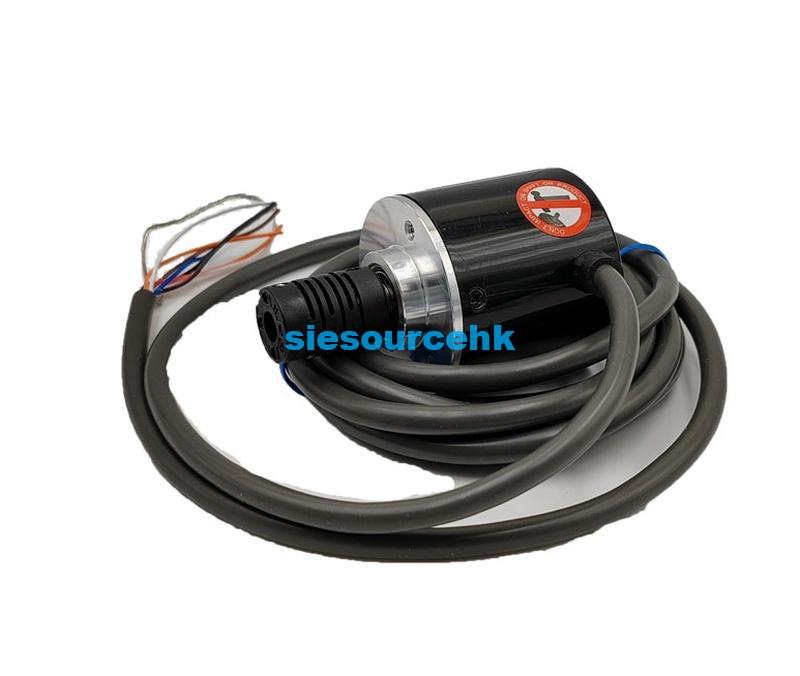
Using an Omron sensor effectively requires understanding the logic of detection. For example, through-beam sensors are ideal for long-range detection, whereas diffuse-reflective models save space by requiring only one unit. Selecting the right sensing mode significantly impacts the mechanical footprint of your machine.
An Omron sensor for factory automation often features built-in background suppression. This technology allows the sensor to detect a target accurately even if the background is reflective or moving. This precision is what makes the Omron sensor a staple in complex robotic sorting and pick-and-place tasks.
Additionally, frequency modulation in a high-end Omron sensor prevents mutual interference between adjacent units. This allows for dense sensor arrays in compact automation cells without signal cross-talk. This level of technical refinement is why experienced engineers prefer Omron for high-density factory layouts.
Comparative Value of Industrial Sensor Sourcing
For B2B procurement, sourcing an Omron sensor involves balancing initial costs with the total cost of ownership. High-quality sensors reduce replacement frequency and prevent the loss of high-value inventory due to sorting errors. Long-term reliability is the best way to protect your factory’s bottom line.
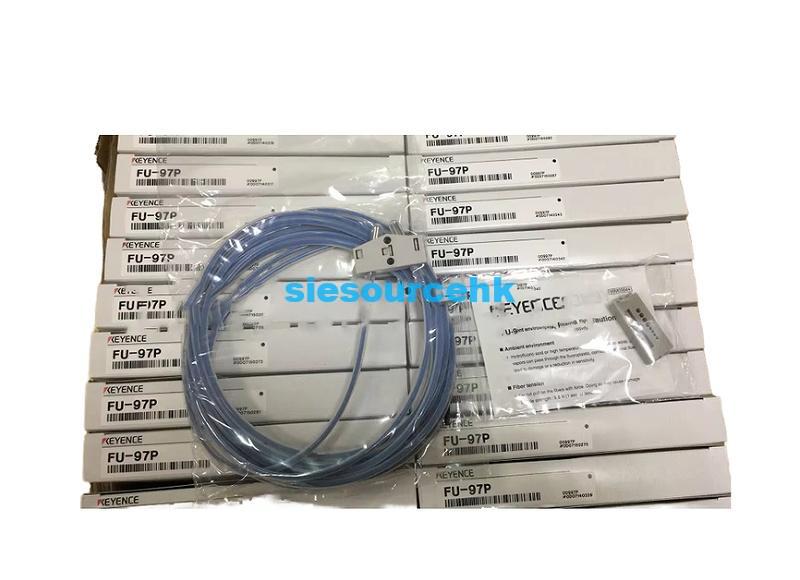
While Omron is a leader, professional buyers often compare various top-tier brands to meet specific niche requirements. For instance, you might evaluate a Keyence fiber optic sensor for ultra-precise detection in confined spaces. Understanding the strengths of each brand allows you to build a more resilient and versatile automation network.
Selecting a supplier who provides comprehensive technical support is essential. Whether you are installing a standard Omron sensor for factory automation or a specialized fiber unit, having access to wiring diagrams and configuration software is vital. A reliable supply chain ensures that you have the right components exactly when your production line needs them.
Summary of Industrial Sensor Selection
The right Omron sensor is a fundamental building block for any successful automation project. By prioritizing an Omron sensor for factory automation, you ensure your facility benefits from world-class precision and ruggedness. Focus on environmental ratings, protocol support, and material compatibility to achieve the best results for your automated systems.
Common Questions Regarding Omron Sensor for Factory Automation
1. What is the typical lifespan of an Omron sensor in a factory setting?
A high-quality Omron sensor can often operate for over 10 years if installed according to manufacturer guidelines. However, the actual lifespan depends on environmental factors like heat and chemical exposure. Regular cleaning of the sensor face and checking cable connections can further extend the operational life of an Omron sensor for factory automation.
2. How do I choose between NPN and PNP outputs for an Omron sensor?
The choice depends on the input requirements of your PLC. Generally, PNP sensors are more common in Europe and North America because they switch the positive load. NPN sensors are frequently used in Asia and switch the negative load. Always verify your control system’s wiring logic before purchasing an Omron sensor for factory automation.
3. Can an Omron sensor detect transparent objects accurately?
Yes, specific photoelectric Omron sensor models are designed with polarising filters and specialized circuitry to detect clear glass or plastic. These sensors analyze the change in light polarization rather than just the intensity. This makes them highly reliable for the food, beverage, and pharmaceutical industries.
4. What are the benefits of IO-Link in an Omron sensor for factory automation?
IO-Link allows an Omron sensor to communicate digital data back to the master controller. This data includes not just the detection signal, but also internal temperature, signal strength, and operating hours. It enables predictive maintenance, as the system can alert you if an Omron sensor for factory automation is becoming dirty or misaligned.
5. How does an Omron sensor handle high-speed production lines?
Most Omron sensor units feature response times in the microsecond range, typically between 0.5ms to 1ms. This high-speed performance ensures that even the smallest parts moving at high velocity are detected without missing a cycle. This makes them ideal for high-speed counting and packaging applications.
Reference Sources
Omron Industrial Automation Official Support:
International Society of Automation (ISA)
| U-77V | FU-77TZ | FU-40 | FU-15 |
| FU-R67TG | FU-67V | FU-93Z | FU-16Z |
| FU-R67TZ | FU-35FZ | FU-4FZ | CF-SFU-20-B |
| FU-88 | FU-L51Z | FU-66 | FU-12 |
| FU-31 | FU-93Z | FU-35TZ | FU-2412 |
| FU-67TZ | FU-40 | FU-21X | FU-2412 |
| FU-53TZ | FU-77 | FU-52TZ | FU-86H |