


Blog
Is the Schneider Contactor LC1D50AF7 Right for You?

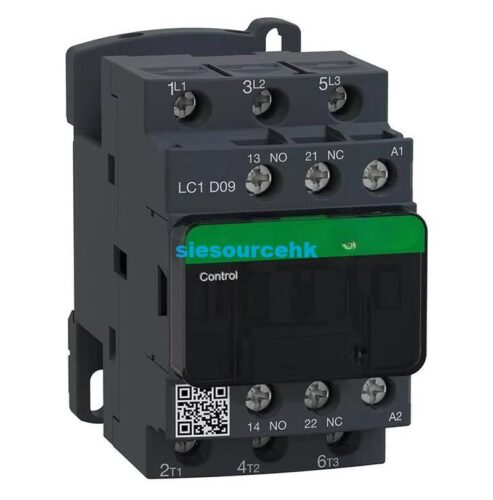
In the rapidly evolving landscape of industrial automation and semiconductor manufacturing, the reliability of electrical switching components cannot be overstated. Among the vast array of solutions available, the Schneider contactor LC1D50AF7 stands out as a benchmark for performance and safety. This specific device, belonging to the renowned TeSys D range, is engineered to manage motor control and resistive loads with exceptional precision. For engineers working in semiconductor equipment facilities, where downtime can cost thousands of dollars per minute, choosing a robust contactor is a critical decision. The “AF7” designation signifies its specific coil voltage of 110V AC, making it a versatile choice for a wide variety of control circuits globally. By integrating the Schneider contactor LC1D50AF7 into their power distribution systems, users ensure a high degree of mechanical and electrical durability, which is paramount for maintaining the integrity of sensitive electronic component production lines.
Technical Excellence and Design of the LC1D50AF7
The engineering philosophy behind the Schneider contactor LC1D50AF7 focuses on high-capacity switching within a compact footprint. Rated for 50A under the AC-3 category, this contactor is capable of starting and stopping motors up to 22kW at 400V. This power density is particularly advantageous in semiconductor equipment where cabinet space is often at a premium. Furthermore, the device features built-in auxiliary contacts (1NO + 1NC), which facilitate seamless integration into complex automation logic. One of the most significant advantages of this model is its EverLink power terminal technology. This patented system ensures a permanent tightening pressure on the cables, even in environments prone to vibration, thereby preventing overheating and potential fire hazards. Consequently, the Schneider contactor LC1D50AF7 provides not only operational efficiency but also an enhanced layer of fire safety for high-value industrial assets.
Mechanical Longevity and Environmental Resilience
The physical construction of the Schneider contactor LC1D50AF7 is designed to withstand the harsh conditions often found in industrial environments. It possesses a high mechanical durability rating of 15 million operating cycles, which is a testament to the quality of materials used in its moving parts and electromagnetic coil. In the context of semiconductor manufacturing, where cleanroom standards and environmental stability are strict, the low heat dissipation of this contactor helps maintain controlled temperatures within electrical enclosures. Additionally, the housing is made of high-grade flame-retardant plastics that resist chemical degradation. This resilience ensures that the Schneider contactor LC1D50AF7 remains functional over long service lives, reducing the frequency of maintenance interventions and replacement costs.
Advanced Arc Suppression and Contact Reliability
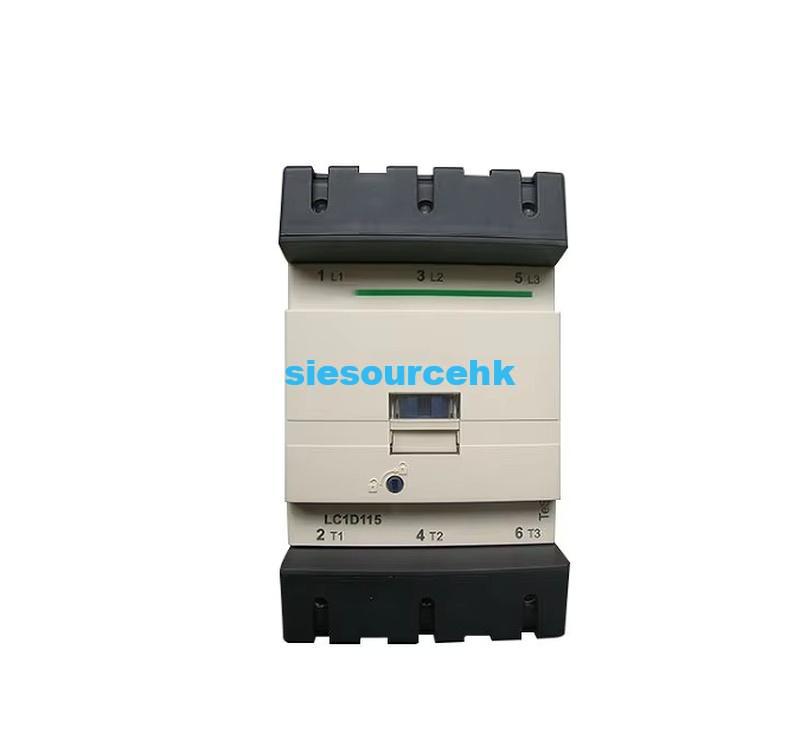
When switching high currents, the formation of electrical arcs is an inevitable challenge that can erode contact surfaces over time. The Schneider contactor LC1D50AF7 addresses this through an advanced arc chute design that quickly extinguishes arcs, preserving the silver-nickel contact tips. This technology is vital for semiconductor equipment that requires frequent cycling. By minimizing contact pitting, the device ensures a low contact resistance throughout its life, preventing voltage drops that could interfere with sensitive electronic control signals. Moreover, the 110V AC coil in the Schneider contactor LC1D50AF7 is designed for high pick-up and hold-in reliability, ensuring the contacts stay firmly closed even during minor voltage fluctuations in the power grid.
Integration with Global Safety Standards
Compliance with international regulations is a core value for any professional electrical installation. The Schneider contactor LC1D50AF7 is fully certified under IEC, UL, CSA, and CCC standards, making it a globally recognized component for export-oriented machinery. For users in the semiconductor industry, these certifications provide the necessary assurance that the equipment meets rigorous safety benchmarks for electromagnetic compatibility and insulation. Furthermore, the inclusion of a clear protective cover for the auxiliary contacts prevents accidental manual operation, adding a crucial layer of safety for maintenance personnel. This adherence to global standards makes the Schneider contactor LC1D50AF7 a trusted choice for multinational corporations and specialized equipment manufacturers alike.
Strategic Benefits for Semiconductor Equipment Users
For those operating in the specialized field of semiconductor fabrication, the Schneider contactor LC1D50AF7 offers strategic advantages that go beyond basic electrical switching. Semiconductor tools, such as chemical vapor deposition or lithography machines, rely on extremely stable power delivery. Any contactor failure could lead to wafer breakage or contaminated batches. The predictable performance of the TeSys D series allows for more accurate preventative maintenance scheduling. Furthermore, the modular design of the Schneider contactor LC1D50AF7 allows for easy mounting on DIN rails or plates, simplifying the assembly process for original equipment manufacturers. This modularity also enables the quick addition of add-on blocks, such as pneumatic timers or transient voltage suppressors, providing the flexibility needed to adapt to evolving technical requirements.
Minimizing Energy Loss and Operational Costs
In large-scale industrial facilities, energy efficiency is an increasingly important metric. The Schneider contactor LC1D50AF7 is engineered with an optimized magnetic circuit that reduces the power consumed by the coil during the “hold” phase. While the savings from a single unit may seem small, the cumulative effect across a facility with hundreds of contactors is significant. Lower power consumption also leads to lower internal temperatures in the control cabinet, which in turn extends the life of other temperature-sensitive components like PLCs and semiconductors. Therefore, choosing the Schneider contactor LC1D50AF7 is not just a choice for reliability, but also a step toward a more sustainable and cost-effective industrial operation.
Simplifying Troubleshooting and Maintenance
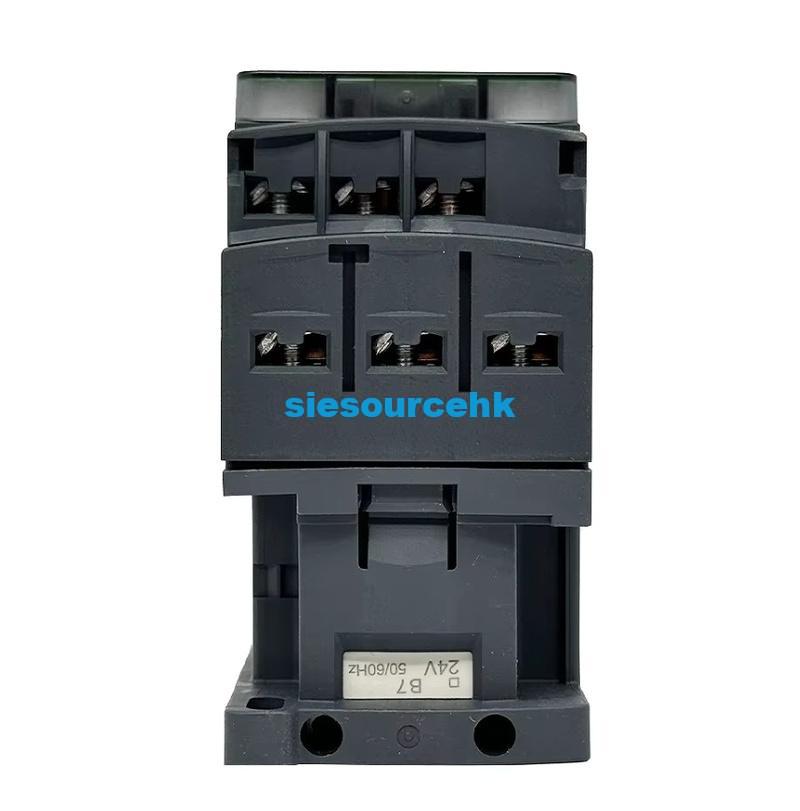
Modern industrial operations demand rapid diagnostics when problems arise. The Schneider contactor LC1D50AF7 features a clear mechanical indicator that shows the state of the contacts at a glance. This simple but effective feature allows technicians to quickly verify if the contactor has pulled in or if there is a fault in the control circuit. Furthermore, the terminals are clearly marked with standard numbering, reducing the risk of wiring errors during installation or replacement. In the high-pressure environment of a semiconductor fab, these small design choices in the Schneider contactor LC1D50AF7 significantly reduce the “mean time to repair,” ensuring that production can resume as quickly as possible.
Conclusion
The Schneider contactor LC1D50AF7 represents a perfect harmony between traditional electrical engineering and modern industrial requirements. Its combination of high current capacity, mechanical durability, and safety features makes it an ideal component for the demanding world of semiconductor equipment and industrial automation. By prioritizing reliability and global compliance, Schneider Electric has created a tool that empowers engineers to build more resilient and efficient systems. For any professional seeking to optimize their power control strategy, the Schneider contactor LC1D50AF7 offers the peace of mind that comes from using a world-class product. As we look toward a future of even more complex automation, the foundational role of high-quality contactors remains unchanged, providing the essential bridge between control logic and physical power.
| LC1D115F7 | LC1D115 | LC1D4011M5 | LC1D32AM7 |
| LC1D150F7 | LC1D128ED | LC1D128E7 | LC1D40AU7 |
| LC1D40AP7 | LC1D128E7 | LC1D128E7 | LC1D65M7 |
| LC1D40AP7 | LC1D95FE7 | LC1D38BL | LC1D32P7 |
| LC1D32P7 | LC1D5011E5 | LAD4RCU | LC1D115F7 |
| LC1D115F7 | LC1D8011M5 | LC1D150F7 | LC1D40AP7 |
FAQ
Q1: What is the control coil voltage for the Schneider contactor LC1D50AF7?
The Schneider contactor LC1D50AF7 is specifically designed with a 110V AC control coil, operating at a frequency of 50/60 Hz. This makes it compatible with most standard industrial control transformers used in North America and many parts of Asia. It is important to verify that your control circuit matches this voltage to avoid damaging the coil or causing a failure to pull in.
Q2: Can the Schneider contactor LC1D50AF7 be used for DC loads?
While the Schneider contactor LC1D50AF7 is primarily optimized for AC-3 and AC-1 applications, it can be used for certain DC loads depending on the voltage and current requirements. However, users should consult the official Schneider Electric derating tables for DC-1 or DC-3 categories. For high-voltage DC applications, specialized DC contactors are generally recommended to ensure proper arc quenching and contact life.
Q3: How do I mount the Schneider contactor LC1D50AF7 in my control cabinet?
The Schneider contactor LC1D50AF7 offers flexible mounting options to suit different cabinet designs. It can be easily snapped onto a standard 35mm DIN rail for quick installation, or it can be screwed directly onto a mounting plate using the integrated mounting holes. For environments with high vibration, such as semiconductor transport systems, screw mounting is often preferred to ensure the device remains securely fastened during operation.