


Blog
How to Select the Right Siemens PLC Output Module?

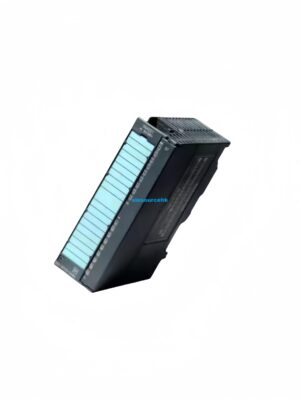
In the highly specialized world of semiconductor equipment and electronic component manufacturing, precision is not just a goal but a fundamental requirement. The Siemens PLC output module serves as the vital bridge between the central intelligence of the controller and the physical actions required on the factory floor. These modules are responsible for executing commands that control everything from high-speed robotic arms to delicate chemical delivery systems. By converting digital signals from the CPU into actionable electrical outputs, they ensure that every movement in the production cycle is synchronized with microsecond accuracy. For engineers and procurement specialists, understanding the nuances of these components is essential to maintaining the high uptime demanded by modern industrial standards.
The integration of a Siemens PLC output module within a production line provides a level of reliability that is unmatched in the automation sector. As global supply chains for electronics become increasingly complex, the ability to maintain consistent output quality hinges on the performance of these interface components. These modules are designed to handle various load types, ensuring that sensitive semiconductor wafers are processed under perfect conditions. This article explores the technical depth and practical applications of these modules, providing professional insights for users who demand the best in industrial automation technology.
Core Technical Architecture of the Siemens PLC Output Module
To appreciate the value of the Siemens PLC output module, one must look at its robust architectural design. These units are built to withstand the rigorous electromagnetic interference often found in electronic component assembly plants. Most modern modules feature optocouplers that provide galvanic isolation between the internal logic circuit and the external load circuit. This protection ensures that any electrical surge on the factory floor does not travel back to the expensive CPU, thereby safeguarding the entire automation system.
Digital Versus Analog Output Flexibility
One of the defining characteristics of the Siemens PLC output module family is the diversity of signal types it can manage. Digital modules typically handle binary states, such as switching on a vacuum pump or activating a pneumatic valve. On the other hand, analog modules are used for variable control, such as regulating the temperature of a soldering oven or the speed of a conveyor belt. This versatility allows manufacturers to scale their systems from simple packaging tasks to complex semiconductor etching processes using a unified hardware platform.
High-Density Design for Space-Saving Efficiency
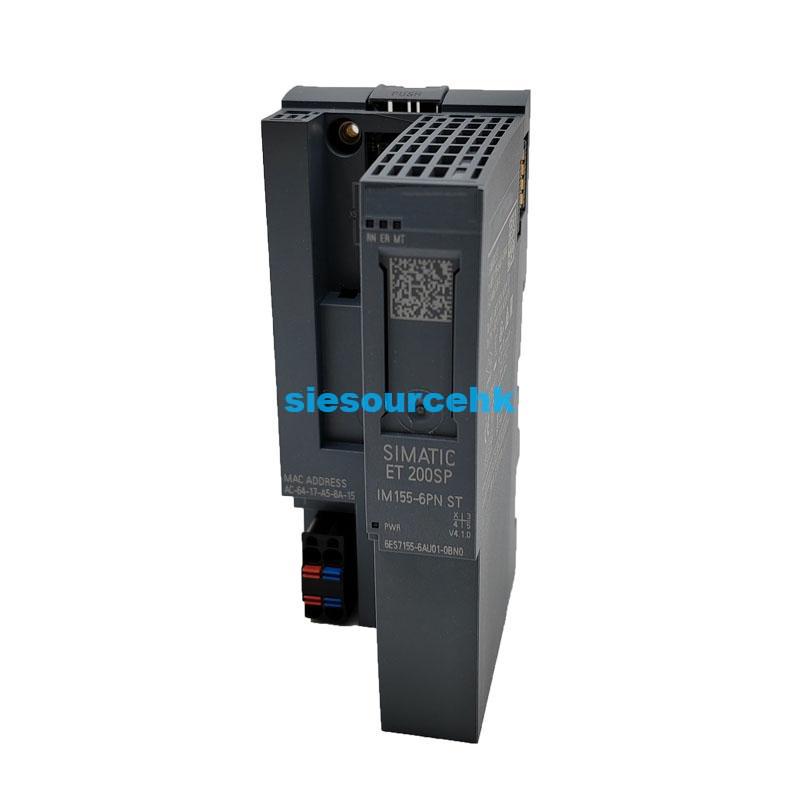
In semiconductor facilities where cleanroom space is at a premium, the compact design of the Siemens PLC output module becomes a significant advantage. Siemens has engineered these modules to offer high-density channel counts within a small footprint. This allows engineers to control more field devices without expanding the size of the control cabinet. Furthermore, the modular nature of the SIMATIC range means that adding or replacing an output channel can be done with minimal downtime, directly supporting the continuous operation models favored by leading electronic manufacturers.
Enhancing Reliability in Semiconductor Production Environments
The environmental conditions in a semiconductor plant can be challenging for standard electronic hardware. A Siemens PLC output module is engineered to perform reliably despite fluctuations in temperature or the presence of subtle vibrations. Siemens implements rigorous testing phases for every module to ensure that it meets international standards for industrial safety and performance. This commitment to quality prevents the costly production halts that can occur when a sub-standard component fails during a critical manufacturing step.
Advanced Diagnostics and Predictive Maintenance
Efficiency in modern automation is driven by data, and the Siemens PLC output module is an active participant in this data ecosystem. Many advanced modules feature integrated diagnostics that can detect short circuits or wire breaks in real-time. This information is immediately relayed to the central controller and displayed on the human-machine interface. Consequently, maintenance teams can identify and resolve issues before they escalate into major system failures. This proactive approach to hardware management is a cornerstone of Industry 4.0 and is particularly beneficial for high-value semiconductor manufacturing lines.
Protection and Safety Integration
Safety is a paramount value in any industrial setting, particularly when dealing with high-voltage equipment or hazardous chemicals. The Siemens PLC output module often includes fail-safe variants designed specifically for safety-related applications. These modules ensure that if a system failure occurs, the outputs will automatically enter a predetermined safe state. By integrating safety functions directly into the PLC hardware, manufacturers can reduce the complexity of their wiring while maintaining the highest levels of protection for both their personnel and their sensitive electronic components.
Application Trends in Electronic Component Assembly
The evolution of the Siemens PLC output module mirrors the advancements in the electronics industry itself. As components become smaller and assembly speeds increase, the demand for faster response times from output modules has grown. Siemens has responded by developing high-speed modules that utilize specialized electronics to minimize signal propagation delay. This allows for the extremely fast switching cycles required for pick-and-place machines and automated optical inspection systems used in PCB assembly.
Seamless Integration with TIA Portal
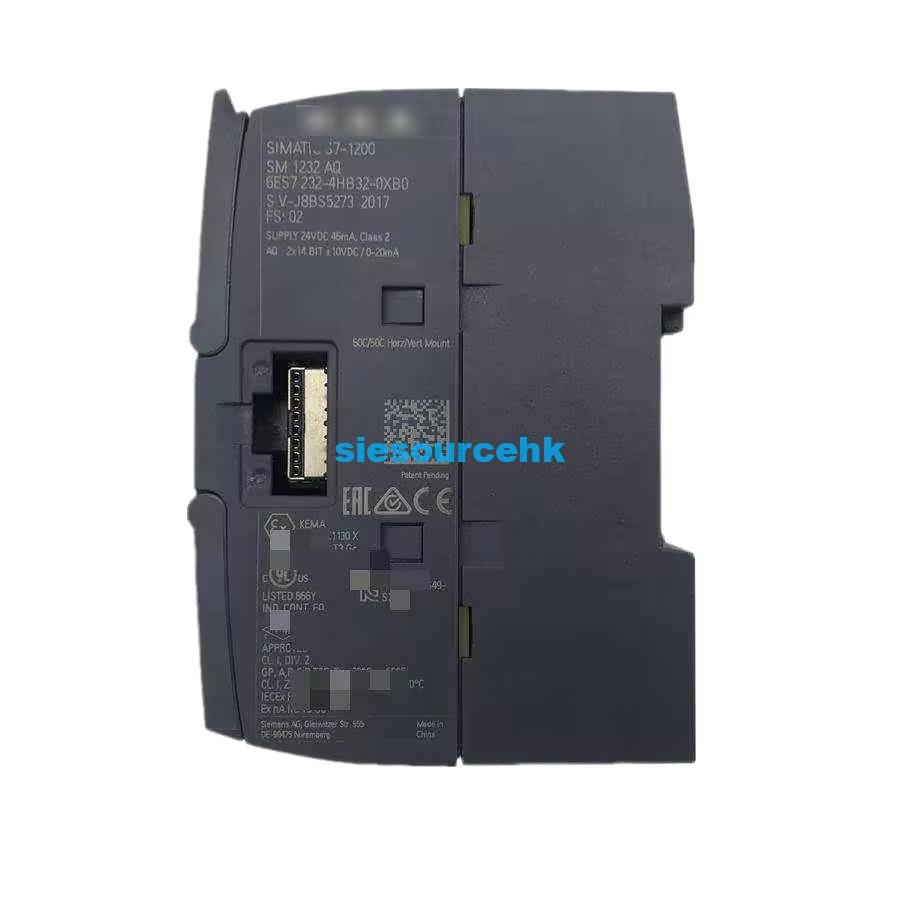
From a software perspective, the Siemens PLC output module benefits from the Totally Integrated Automation (TIA) Portal. This unified engineering framework allows designers to configure hardware, program logic, and set up diagnostics within a single environment. The seamless communication between the software and the output hardware reduces the risk of configuration errors and speeds up the commissioning process. For users in the semiconductor equipment sector, this translates to faster time-to-market for new production machines and more flexible manufacturing capabilities.
Future-Proofing with PROFINET Connectivity
As we move toward more connected factories, the role of communication protocols becomes vital. The Siemens PLC output module is designed to work flawlessly within a PROFINET network, providing high-speed data exchange across the entire enterprise. This connectivity ensures that output data can be logged and analyzed at a higher level, providing insights into the efficiency of the manufacturing process. By choosing a hardware platform that supports open communication standards, electronics manufacturers can ensure their systems remain compatible with future technological innovations.
Conclusion
Selecting a high-quality Siemens PLC output module is a strategic decision that affects the long-term efficiency and reliability of any automation system. For the semiconductor and electronic component industries, where every second of production time counts, these modules provide the necessary precision and durability to succeed. By combining advanced diagnostics, robust electrical protection, and seamless software integration, Siemens continues to set the standard for industrial output technology. Investing in the right output modules today ensures that your facility is prepared for the increasingly complex demands of tomorrow’s global market.
| 6ES7222-1HF22-0XA0 | 6ES7142-4BF00-0AA0 | 6ES7274-1XF30-0XA0 | 6ES7195-1GF30-0XA0 |
| 6ES7972-0AB01-0XA0 | 6ES7144-4GF01-0AB0 | 6ES7028-0ES87-2DA1 | 6ES7416-5HS06-0AB0 |
| 6ES7450-1AP01-0AE0 | 6ES7145-4FF00-0AB0 | 6ES7274-1XF30-0XA0 | 6ES7195-1GF30-0XA0 |
| 6ES7222-1HF22-0XA0 | 6ES7142-4BF00-0AA0 | 6ES7431-0HH00-0AB0 | 6ES7416-5HS06-0AB0 |
| 6ES7972-0AB01-0XA0 | 6ES7322-1HH01-0AA0 | 6ES7274-1XA30-0XA0 | 6ES7392-1AM00-0AA0 |
| 6ES7288-1SR60-0AA1 | 6ES7313-5BE01-0AB0 | 6ES7532-5ND00-0AB0 | 6ES7331-7KF02-0AB0 |
| 6ES7328-0AA00-7AA0 | 6ES7321-1BH10-0AA0 | 6ES7531-7TF00-0AB0 | 6ES7321-7BH01-0AB0 |
| 6ES7718-1CB07-1AD1 | 6ES7274-1XF30-0XA0 | 6ES7532-5ND00-0AB0 | 6ES7195-7HC00-0XA0 |
FAQ
Q1 Why is galvanic isolation important in a Siemens PLC output module?
Galvanic isolation is crucial because it physically and electrically separates the sensitive internal microprocessor of the PLC from the external industrial field devices. In a Siemens PLC output module, this prevents high-voltage spikes, ground loops, or electrical noise from damaging the controller. This feature is especially important in semiconductor manufacturing, where precision is high and electrical interference can be common due to high-power machinery.
Q2 Can a Siemens PLC output module handle both AC and DC loads?
Siemens provides specific module variants designed for different electrical requirements. There are dedicated DC modules for low-voltage electronic control and relay-based or Triac-based modules for AC loads. When selecting a Siemens PLC output module, users must verify the voltage and current ratings of their field devices to ensure compatibility. Using the correct module type prevents premature wear of the output contacts and ensures stable switching for the life of the system.
Q3 How do diagnostic features in these modules reduce factory downtime?
Diagnostic features allow a Siemens PLC output module to monitor the health of its own channels and the connected wiring. If a fault such as an external short circuit or an open load occurs, the module sends an error code to the system. This allows technicians to pinpoint the exact location of the problem without manually testing every wire. This rapid identification significantly reduces the “Mean Time to Repair” and keeps high-value electronic production lines running smoothly.