


Blog
Understanding PLC: What is PLC and How It Works

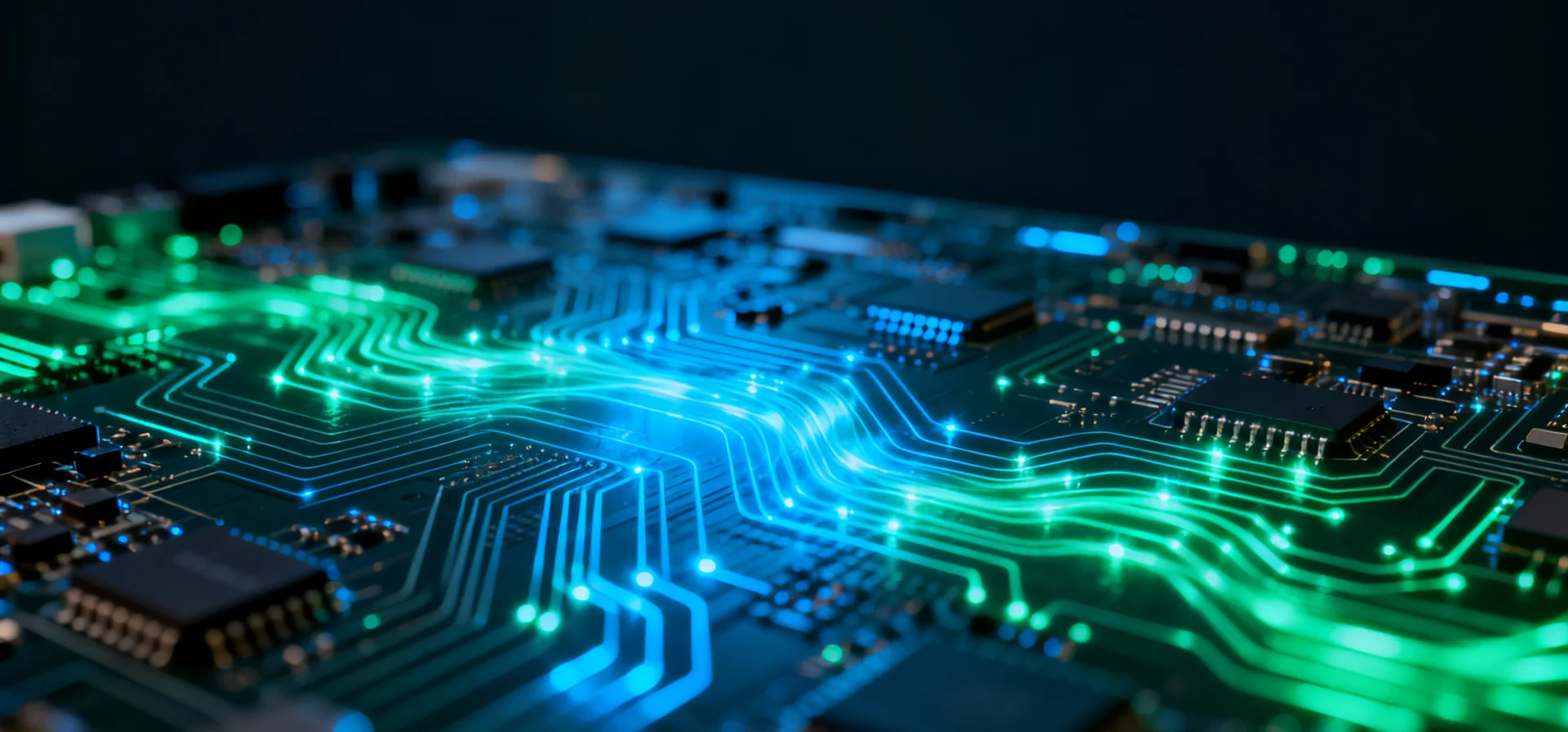
In the world of modern manufacturing, automation is the key to efficiency and precision. At the center of this technological revolution is a ruggedized computer known as the Programmable Logic Controller. When people ask what is plc, they refer to the digital brain managing complex industrial machinery.
Unlike standard office computers, these devices are built for harsh industrial environments. They handle extreme temperatures, electrical noise, vibration, and moisture without failing. This durability makes them indispensable for everything from simple packaging machines to massive automotive manufacturing plants.
Understanding the fundamental role of these controllers is essential for engineering and maintenance fields. By replacing mechanical relays with a single electronic unit, they reduced the physical footprint of control systems. Today, we will explore the logic and hardware that define this critical automation technology.
What is PLC and Why Is It Used in Industry?
A Programmable Logic Controller is a specialized digital computer used for controlling industrial processes. It monitors input devices, makes decisions based on a custom program, and controls output devices. What is plc at its core is a real-time system ensuring operations happen in a precise sequence.
Replacing Traditional Relay Logic
Before these controllers existed, factories relied on massive walls of mechanical relays and timers. If a production process needed a change, engineers had to physically rewire the entire system. Today, a programmer simply updates the software code, which reduces labor costs and minimizes production downtime.
Reliability in Harsh Environments
Industrial environments are difficult for sensitive electronic components to survive without specialized protection. These controllers are engineered with shielded circuits to maintain 99.9% uptime in heavy industry sectors. This reliability is the primary reason why they remain the global standard for mission-critical automation.
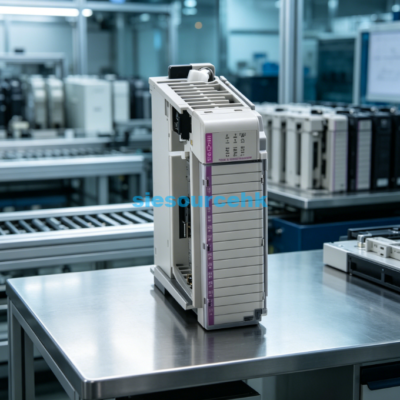
How Does a PLC System Work Step-by-Step?
The operation of these devices follows a continuous, repetitive cycle known as the scan cycle. This process happens so quickly—often in milliseconds—that the machine appears to respond to changes instantly. Understanding this cycle is the best way to grasp the practical functionality of the system.
The Four Stages of the Scan Cycle
The scan cycle begins with the Input Scan, where the controller checks the status of all connected sensors. Next, the Program Scan executes the user-created logic to determine necessary actions. The Output Scan then updates the connected machinery, followed by a Housekeeping phase for internal diagnostics.
Understanding Input and Output Modules
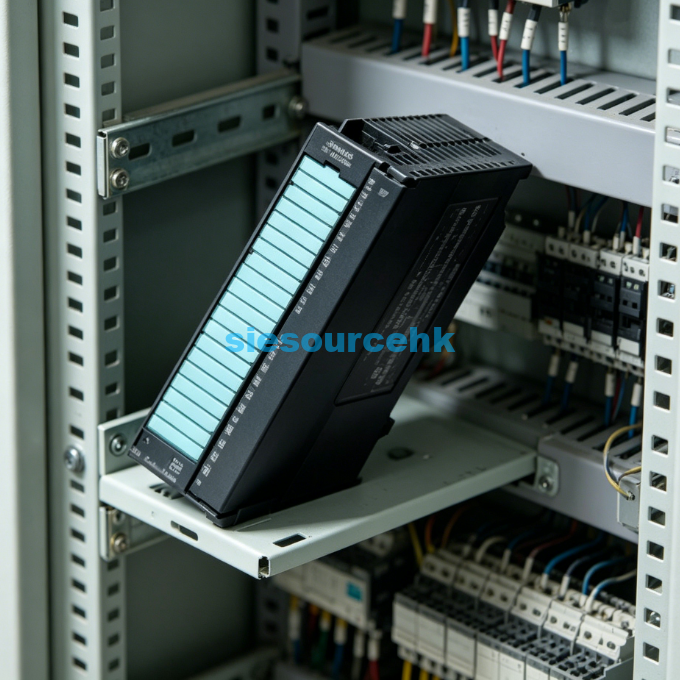
Input modules act as the “eyes,” receiving signals from push buttons, limit switches, and temperature sensors. Output modules serve as the “hands,” sending signals to motor starters, solenoid valves, and indicator lights. This seamless data flow allows for complex interactions between different parts of a factory floor.
| Component | Primary Function | Typical Example Brands |
| CPU | Processes logic and math | Siemens |
| Input Module | Receives external signals | Allen-Bradley |
| Output Module | Controls external hardware | Mitsubishi |
| Power Supply | Provides stable DC voltage | Various Industrial Brands |
Key Technical Specifications and Performance Data
When evaluating what is plc performance, engineers look at execution speed and memory capacity. Modern high-end controllers can process 1,000 lines of code in less than 0.1 milliseconds. This speed is vital for high-speed bottling lines or precision motion control in robotics.
Memory and I/O Density
Memory capacity determines how complex the automation program can be for a specific machine. Most compact units offer between 10KB and 100KB of memory, while large modular systems exceed several megabytes. I/O density refers to how many sensors a single controller can manage, ranging from 10 to thousands.
Communication Protocols and Networking
Modern units must communicate via protocols like EtherNet/IP, Profinet, or Modbus to share data. This allows the controller to send real-time status updates to Human-Machine Interfaces (HMI) or cloud-based monitoring systems. Research suggests that networked automation can improve overall equipment effectiveness (OEE) by up to 20%.
Choosing the Right Controller for Your Automation Needs
Selecting the correct hardware depends on the scale of your task and future expansion plans. You must decide between a fixed compact unit or a modular system that allows for growth. The decision is often guided by the complexity of the machine and the environment.
Evaluating Brand Compatibility and Ecosystems
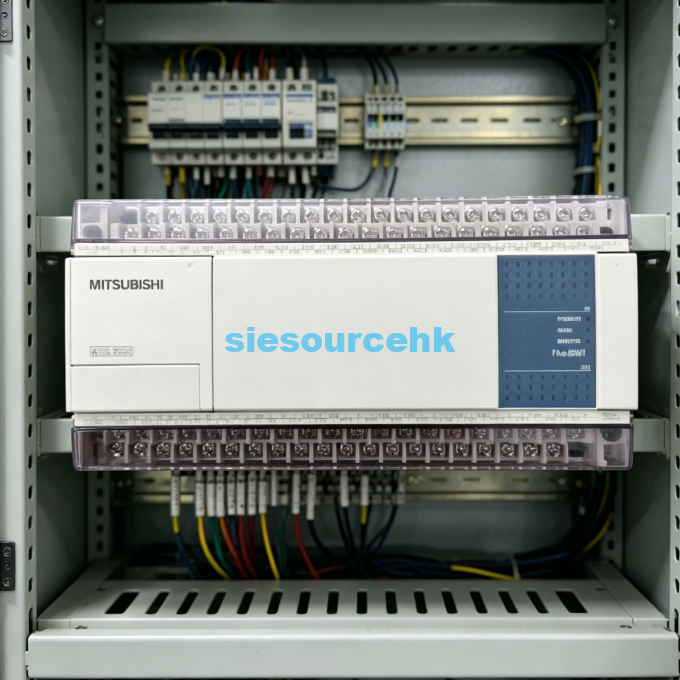
Different manufacturers offer unique strengths that cater to specific regional or technical requirements. For example, Mitsubishi PLC systems are highly regarded for their reliability in micro-automation and compact machinery. Their hardware is often preferred for high-speed discrete manufacturing tasks.
Scaling with Modular Solutions
For large-scale process industries, Siemens and Allen-Bradley dominate with robust software ecosystems. Modular systems allow you to mix and match I/O cards on a backplane for maximum flexibility. This ensures your control system can grow alongside your factory’s production capacity.
Summary
A Programmable Logic Controller is the foundational component of modern industrial automation, acting as the decision-making hub. By understanding what is plc hardware and the scan cycle, businesses can transition to efficient, scalable production. Choosing the right system involves balancing modularity, brand reliability, and specific communication needs for success.
FAQ
1. What is PLC used for in everyday life?
PLCs control complex systems like traffic lights, elevators, and automatic car washes in public spaces. In these scenarios, the controller monitors sensors to ensure safety and correct sequencing of mechanical movements.
2. Can a PLC be used instead of a standard computer?
While both process data, a PLC is specifically designed for real-time control and harsh environments. Standard computers are optimized for multi-tasking and user interfaces, whereas PLCs focus on deterministic execution of logic.
3. What language is used to program a PLC?
The most common language is Ladder Logic, which resembles electrical circuit diagrams for easy troubleshooting. Other standard languages include Function Block Diagram (FBD), Structured Text (ST), and Sequential Function Chart (SFC).
4. How long does a typical PLC last?
Industrial controllers are designed for extreme longevity, often operating for 15 to 20 years without failure. Their lack of moving parts and heavy-duty casing contributes to a high mean time between failures.
Reference Sources
International Electrotechnical Commission (IEC): Standards for Programmable Controllers.
IEEE Xplore: Research on Industrial Automation and Control Systems.
ISA (International Society of Automation): Professional resources for automation and control.
NEMA (National Electrical Manufacturers Association): Standards for industrial control and systems.