



Blog
Siemens 3RV2021-1BA15 Specs: 1.4–2A Motor Protection Circuit Breaker Guide

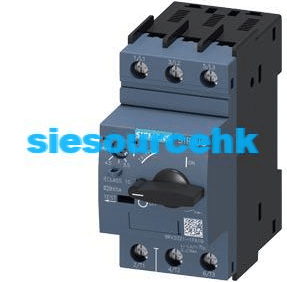
The Siemens 3RV2021-1BA15 is a SIRIUS 3RV2 motor protection circuit breaker with an adjustable overload release of 1.4–2 A, a 26 A instantaneous short-circuit release, and a Class 10 trip characteristic. It uses an S0-size housing, screw terminals, and an auxiliary contact arrangement of one normally open and one normally closed contact. These specifications make it suitable for evaluating low-current motor circuits, provided the motor ratings and installation fault conditions meet the device’s requirements.
Siemens 3RV2021-1BA15 Technical Specifications
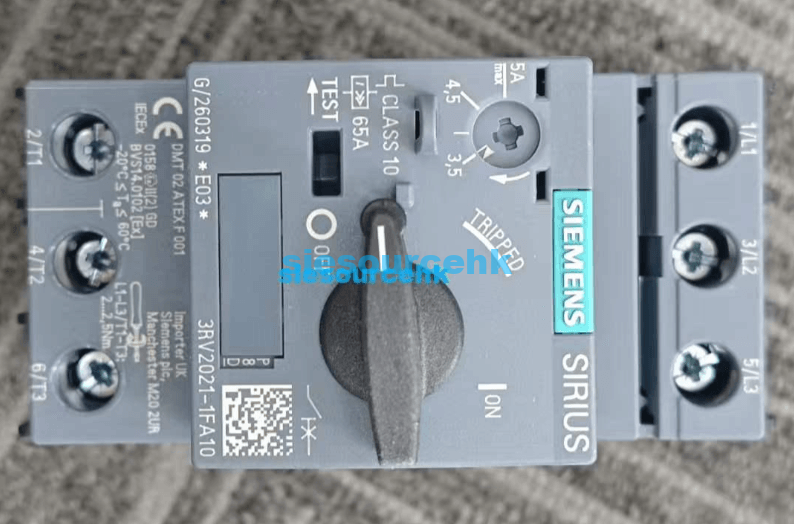
The model combines thermal overload protection with magnetic short-circuit protection. The current setting range is the first specification to check when determining whether it fits a motor application.
| Specification | Details |
|---|---|
| Manufacturer | Siemens |
| Product family | SIRIUS 3RV2 |
| Complete model number | 3RV2021-1BA15 |
| Product type | Motor protection circuit breaker |
| Frame size | S0 |
| Overload release adjustment range | 1.4–2 A |
| Instantaneous short-circuit release | 26 A |
| Trip characteristic | Class 10 |
| Main circuit poles | 3 |
| Rated operational voltage | 20–690 V AC, subject to applicable operating conditions |
| Rated insulation voltage | 690 V |
| Rated impulse withstand voltage | 6 kV |
| Terminal connection | Screw terminals |
| Auxiliary contacts | 1 NO + 1 NC, transverse-mounted |
| Overall dimensions | Approximately 45 × 97 × 97 mm (W × H × D) |
| Degree of protection | IP20 |
| Operating ambient temperature | −20°C to +60°C |
Source: Siemens official 3RV2021-1BA15 datasheet. Confirm the current manufacturer’s documentation for the applicable electrical ratings and installation conditions.
How the 1.4–2A Motor Protection Range Works
The adjustable overload release is intended for motor circuits whose rated current can be accommodated within the 1.4–2 A setting range. During commissioning, the setting should be based on the motor nameplate and the applicable motor protection requirements.
For example, a motor with a nameplate current of 1.8 A falls within the available adjustment range. The final setting still depends on the motor’s operating conditions, starting characteristics, and relevant installation requirements.
A motor rated at 1 A falls below this model’s adjustment range, while a motor rated at 2.5 A exceeds it. In either case, engineers should evaluate a suitably rated alternative rather than setting the breaker outside its specified range.
What Does the 26A Instantaneous Trip Rating Mean?
The 26 A value identifies the specified instantaneous short-circuit release threshold. It is separate from the adjustable thermal overload range and should not be interpreted as the breaker’s rated short-circuit breaking capacity.
Overload protection addresses sustained excessive current that can cause motor overheating. Magnetic short-circuit protection responds to high fault currents that require rapid interruption.
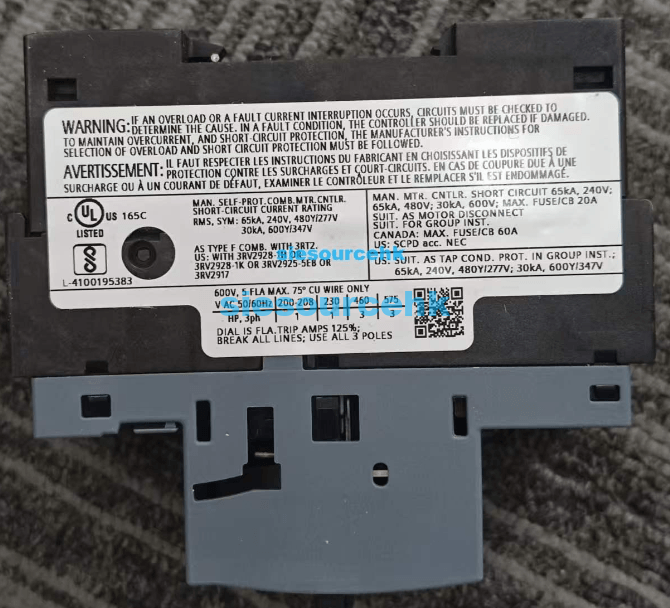
Before installation, verify the prospective short-circuit current at the installation point and the breaker’s applicable breaking capacity. The upstream protection arrangement and any required coordination with other devices must also be checked.
Why Class 10 and Phase-Failure Sensitivity Matter
The Class 10 trip characteristic describes the breaker’s overload response under specified test conditions. It is relevant when evaluating motor starting behavior because starting current can temporarily exceed the normal running current.
Class 10 does not mean the breaker always trips after exactly ten seconds. The actual response depends on the current magnitude, duration, thermal state, and the manufacturer’s time-current characteristics.
The 3RV2 motor protection range also includes phase-failure-sensitive protection characteristics. For a three-phase motor, phase loss can cause unbalanced currents and overheating. Verify the precise protection behavior in the model’s datasheet and consider the motor’s operating conditions before commissioning.
Where Is the 3RV2021-1BA15 Used?
This model can be considered for small three-phase motor circuits where the rated current fits the 1.4–2 A range and the required protection characteristics are satisfied.
- Small pumps: Motor protection in suitable water handling and process applications.
- Ventilation equipment: Protection for appropriately rated fan motors.
- Compact conveyors: Motor circuit protection for light-duty material handling equipment.
- Auxiliary machinery: Protection for small motors used in manufacturing equipment.
These are potential applications, not a guarantee of suitability. Supply voltage, starting current, available fault current, environmental conditions, and the complete motor starter design must be assessed for each installation.
How to Select a Replacement for 3RV2021-1BA15
When replacing an installed breaker, confirm the complete part number and compare the electrical requirements before purchasing a substitute.
- Check motor current: Confirm that the required overload setting falls within 1.4–2 A.
- Verify the trip characteristics: Check the overload class and short-circuit release requirements.
- Confirm the circuit rating: Review supply voltage, prospective fault current, and applicable breaking capacity.
- Check auxiliary contacts: Confirm whether the existing control circuit requires the 1 NO + 1 NC arrangement.
- Review installation details: Verify dimensions, screw-terminal connections, mounting, and wiring requirements.
- Check the complete starter assembly: If a contactor is used, verify the coordination requirements for the selected combination.
For comparison, the Siemens 3RV2011-1DA10 motor protection breaker guide covers a different current range of 2.2–3.2 A. Its adjustment range is higher than that of the 3RV2021-1BA15, so the two models should not be treated as interchangeable without a complete application review.
If the motor starter also requires a separate switching device, review the Siemens 3RT6015-1AN21 power contactor as a related component. A contactor performs switching duties and does not replace the motor protection functions of the circuit breaker.
Frequently Asked Questions
What is the current setting range of the Siemens 3RV2021-1BA15?
The adjustable overload release range is 1.4–2 A. The setting should match the motor’s nameplate current and applicable protection requirements.
What is the instantaneous short-circuit release of this model?
The specified instantaneous short-circuit release is 26 A. This value is not the same as the breaker’s rated short-circuit breaking capacity.
What does Class 10 mean on the 3RV2021-1BA15?
Class 10 identifies the overload trip characteristic under specified test conditions. Actual trip time depends on the magnitude and duration of the current and the device’s thermal state.
Can the 3RV2021-1BA15 protect a motor rated at 2.5 A?
Its 1.4–2 A adjustment range does not cover a 2.5 A motor’s rated current. A suitably rated alternative should be evaluated.
Conclusion
The Siemens 3RV2021-1BA15 is a Class 10 SIRIUS motor protection circuit breaker with a 1.4–2 A adjustable overload range, a 26 A instantaneous short-circuit release, screw terminals, and 1 NO + 1 NC auxiliary contacts. Correct selection depends on the motor’s rated current, circuit voltage, fault level, and starter coordination requirements. Verify the complete model and current Siemens documentation before installation or replacement.