


Blog
How Does a Yaskawa Inverter Improve Industrial Motor Efficiency ?

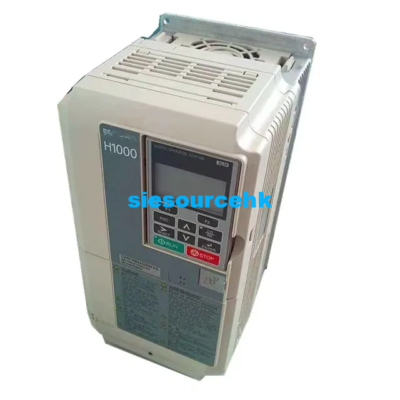
Selecting a high-performance Yaskawa inverter is a decisive step for ensuring the precision and energy efficiency of your heavy-duty machinery in 2026. Industrial motor control has moved beyond simple on/off switches; modern systems require variable frequency drives (VFDs) that can handle high torque at low speeds while maintaining electrical harmony. Many plant managers face the challenge of selecting a drive that can withstand harsh environments without compromising on millisecond-level response times. I have found that prioritizing the Mean Time Between Failure (MTBF) and specialized motor control algorithms is the most effective way to prevent costly production halts. This guide provides a professional criteria for choosing a verified Yaskawa inverter that serves as the best inverter for industrial motor applications across diverse sectors.
Critical Specifications of a Yaskawa Inverter
Every Yaskawa inverter is built to withstand extreme industrial conditions, but peak performance is only achievable through a precise specification match. These drives utilize advanced vector control technology to regulate both the frequency and voltage of the power supply. This design provides natural energy savings and protection, which is essential for the high-cycle reliability required in modern manufacturing facilities.
Understanding Voltage and Power Ratings
A standard Yaskawa inverter like the GA800 or GA500 series can handle voltages ranging from 240V to 600V with power outputs reaching up to 1000 HP. I recommend calculating your peak motor load before selection; choosing a drive that operates too close to its maximum rated current can lead to internal heat fatigue. For high-torque industrial motors, ensuring the drive can provide at least 150% overload for one minute is actually beneficial for overcoming initial friction during startup.
Advanced Motor Control Algorithms
In the context of the best inverter for industrial motor control, the ability to run multiple motor types is paramount. These units are designed to operate induction motors, permanent magnet motors, and synchronous reluctance motors with equal precision. I always verify the auto-tuning capabilities; Yaskawa’s online auto-tuning continuously analyzes motor characteristics during operation, allowing for highly precise speed control even as the motor temperature changes throughout the day.
Build Quality and Environmental Protection
To ensure your Yaskawa inverter is truly “install-and-forget,” it must feature robust environmental protections like coated circuit boards and high IP ratings. Many models offer IP66 washdown protection for food and beverage applications or IP20 protected chassis for cleanroom environments. A verified long-life design, often boasting a 10-year maintenance-free operation cycle, ensures that your industrial motor system maintains its structural integrity without frequent part replacements.
Benefits of the Best Inverter for Industrial Motor Applications
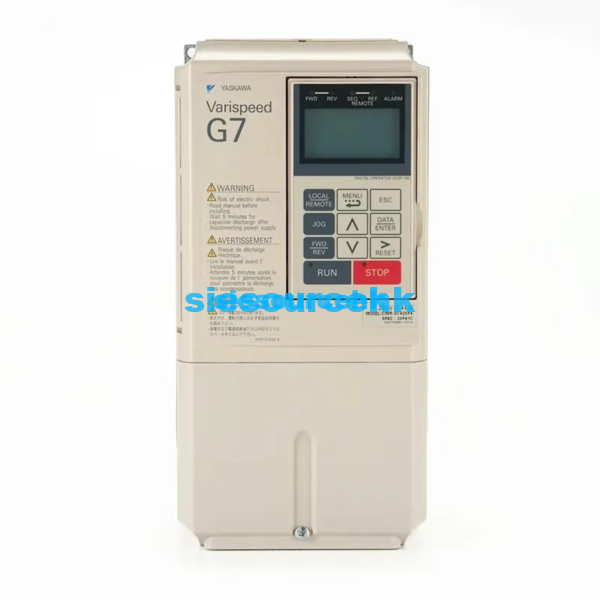
Integrating a Yaskawa inverter into your industrial workflow provides a level of control that standard VFDs cannot match. These components are specifically engineered to interface with modern automation networks, providing feedback loops that optimize overall machine performance. In 2026, the shift toward smart manufacturing makes these drives essential for real-time energy monitoring and predictive maintenance.
High Starting Torque and Soft Starts
The primary advantage of choosing a Yaskawa inverter as the best inverter for industrial motor use is its exceptional torque production at low speeds. Some high-performance models can produce 200% torque at 0 Hz, which is critical for heavy-load applications like cranes, hoists, and mixers. This “soft start” capability reduces mechanical stress on gears and belts, extending the lifespan of your entire drivetrain by eliminating sudden jolts.
Built-in Safety and Network Connectivity
A professional Yaskawa inverter always includes integrated safety features like Safe Torque Off (STO). This allows for safe human interaction with the machine without needing large, expensive external contactors. I find the built-in communication protocols—ranging from EtherNet/IP to Modbus TCP—invaluable for integrating motor data into your plant’s SCADA system for centralized monitoring and control.
Energy Efficiency and Harmonic Reduction
Using the best inverter for industrial motor loads significantly reduces your plant’s carbon footprint. These drives optimize the motor’s power consumption based on the actual load requirements, often reducing energy costs by over 30% in fan and pump applications. Furthermore, models like the U1000 Matrix drive eliminate the need for external harmonic filters, providing a clean power return to your grid and protecting other sensitive electronics in your facility.
Selecting a Reliable Industrial Automation Partner
Choosing the right hardware partner is essential for maintaining the uptime of your automated production lines. When searching for high-capacity motor control solutions, the Yaskawa Variable Frequency Drives collection provides a comprehensive range of general-purpose and high-performance options. For specific high-voltage needs, the Yaskawa CIMR-TB4V0018-ABA Inverter offers proven reliability in 400V industrial environments.
Verifying Technical Revision and Compatibility
The ordering code for a Yaskawa inverter contains vital information about its power capacity and hardware revision. For example, a “CIMR” prefix typically identifies a classic Yaskawa drive series. I always cross-reference the model numbers to ensure that physical dimensions match your existing control cabinet space, especially when upgrading from older units to the newer GA series.
Software Integration and Cloud Support
Ensure the Yaskawa inverter you select is compatible with modern diagnostic tools like DriveWizard Mobile. This software allows technicians to monitor performance and adjust parameters from a smartphone via Bluetooth. A professional supplier will help you leverage these cloud-connected features to implement a predictive maintenance strategy, identifying potential motor bearing failures before they cause an emergency shutdown.
Summary of Yaskawa Inverter Selection
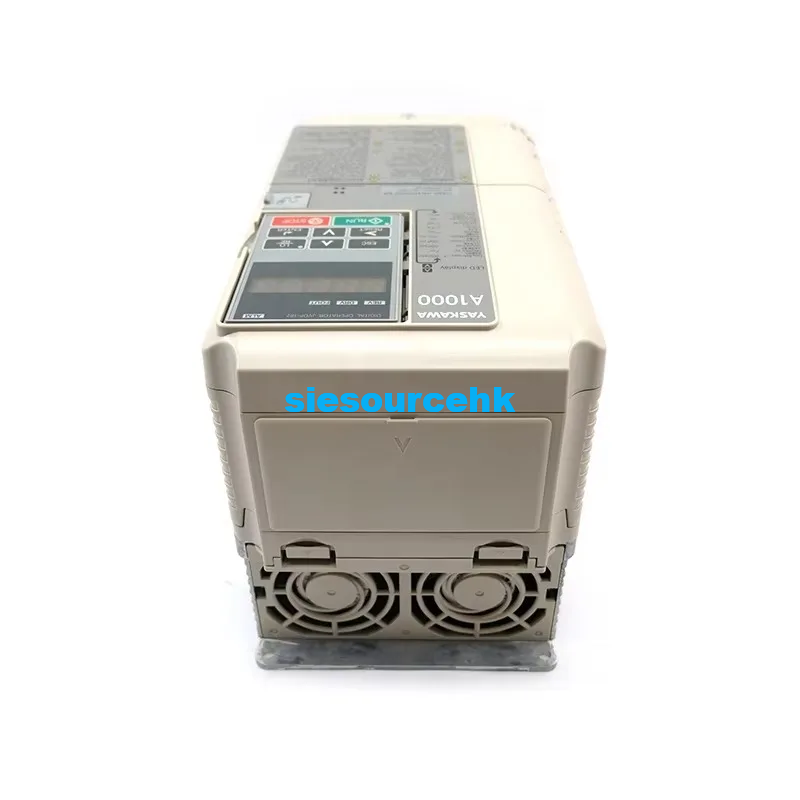
Successfully sourcing a Yaskawa inverter involves a precise match of power ratings, motor types, and environmental needs. By prioritizing the best inverter for industrial motor stability—featuring high starting torque and integrated safety—you protect your facility from unexpected downtime. Always implement proper grounding and use shielded motor cables during installation to ensure your Yaskawa inverter remains efficient throughout 2026.
FAQ
1. What is the difference between a microdrive and a high-performance Yaskawa inverter?
A microdrive is a compact Yaskawa inverter designed for smaller applications up to 40 HP. High-performance drives are built for complex industrial tasks requiring up to 1000 HP and advanced features like closed-loop vector control. While both offer exceptional reliability, high-performance models are generally the best inverter for industrial motor control in heavy-duty machinery.
2. Can a Yaskawa inverter run a motor without feedback sensors?
Yes, many Yaskawa models feature advanced “Open Loop Vector” control, which allows for high torque and precise speed regulation without needing an encoder on the motor. This makes them the best inverter for industrial motor retrofits where adding sensors to an existing motor is difficult or expensive.
3. Why is my Yaskawa inverter displaying an “Overvoltage” fault?
Overvoltage (OV) faults typically occur during rapid deceleration when the motor acts as a generator. If your Yaskawa inverter is stopping a heavy load too quickly, the excess energy flows back into the drive. To solve this, you can either increase the deceleration time or add a dynamic braking resistor to dissipate the extra energy safely.
4. How long do the cooling fans and capacitors last in a Yaskawa inverter?
Most industrial Yaskawa inverter models are designed for a 10-year service life for major components like cooling fans and electrolytic capacitors. However, this lifespan depends on the ambient temperature and dust levels in your facility. I recommend a visual inspection every 12 months to ensure the air vents are clear and the fans are spinning freely.
5. Is it possible to program a Yaskawa inverter without applying main power?
Yes, many modern Yaskawa inverter series allow for parameter programming using a standard USB connection or a 24V DC auxiliary power supply. This feature is incredibly useful for commissioning engineers who want to set up the drive logic in an office environment before the unit is physically installed in a high-voltage industrial cabinet.
Reference Sources
Yaskawa Official Product Support
International Electrotechnical Commission (IEC) Standards
NEMA Industrial Control and Systems
| CIMR-VT2A0010BAA | CIMR-VCB0010BAA | CIMR-VB4A0038BAA | CIMR-VC4A0004BAA |
| CIMR-VT4A0018FAA | CIMR-J7AZB0P7 | CIMR-VB4A0023BAA | CIMR-HB4A0304ABC |
| CIMR-VCBA0010BAA | CIMR-J7AZB0P7 | CIMR-VB4A0009BAA | CIMR-VC8A0006BAA |
| CIMR-VBBA0018BBA | CIMR-VC4A0038FAA | CIMR-VC4A0007BAA | CIMR-VC4A0018FAA |
| CIMR-VCBA0012BAA | CIMR-AT4A0038FAA | CIMR-AT4A0038FAA | CIMR-JCBA0006BAA |