


Blog
How to Choose the Best Siemens PLC Controller ?

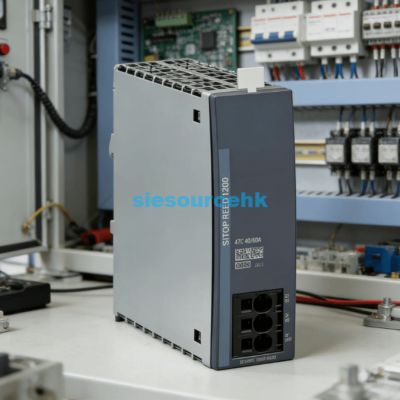
Choosing the best siemens plc controller depends on your specific industrial automation requirements and performance goals. You must evaluate the processing speed, memory capacity, and integrated communication interfaces of each model carefully. The S7-1500 series offers superior bit performance speeds as low as 1 nanosecond for complex logic. Conversely, smaller projects benefit from the compact design and integrated I/O of the S7-1200 series. Matching the hardware to your operational scale ensures maximum ROI and system stability.
Industrial data suggests that choosing the wrong controller can lead to 20% higher maintenance costs over five years. A high-performance plc controller siemens offers the scalability needed for future smart factory upgrades. Performance benchmarks indicate that the S7-1500 system provides up to 40 times higher performance than the legacy S7-300 series. This speed is critical for high-speed packaging lines and precision manufacturing environments. Selecting the correct model involves analyzing current I/O demands while planning for at least 15% future expansion.
Communication flexibility is another pillar of a modern siemens programmable logic controller. Most units now feature integrated PROFINET interfaces for seamless vertical integration into the TIA Portal. This unified engineering framework reduces configuration time by approximately 30% compared to traditional software environments. Whether you need simple logic or complex motion control, the hardware choice determines your system’s overall bandwidth. This article provides a technical roadmap to help you navigate the diverse Siemens automation portfolio.
Technical Factors in Selecting a Siemens PLC Controller
The selection process for a siemens plc controller must begin with a detailed audit of your machine’s technical specifications. Memory capacity is a primary differentiator, as it dictates the complexity of the user program and data logging capabilities. Work memory for S7-1500 controllers can range from 150 KB up to 20 MB depending on the specific CPU model. High-speed processing requirements demand a CPU with low command execution times to maintain tight control loops. Environmental conditions, such as temperature and vibration, also influence whether you choose standard or ruggedized SIPLUS versions.
Analyzing I/O Count and Expansion Capabilities
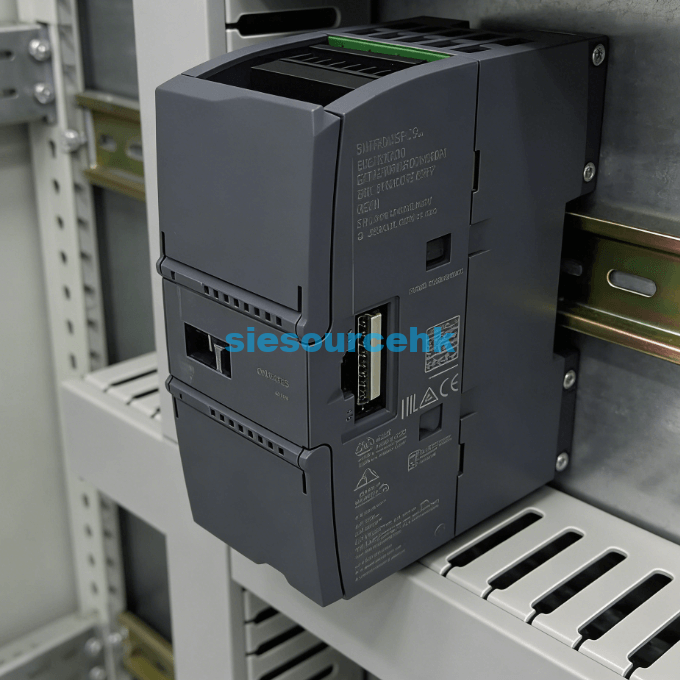
Determining the total number of digital and analog points is the first physical constraint to consider. A plc controller siemens must support the immediate I/O count while leaving room for modular expansion modules. The S7-1200 supports up to 14 digital I/O points on the CPU itself, with further expansion possible via Signal Modules.
Consider these expansion factors during your evaluation:
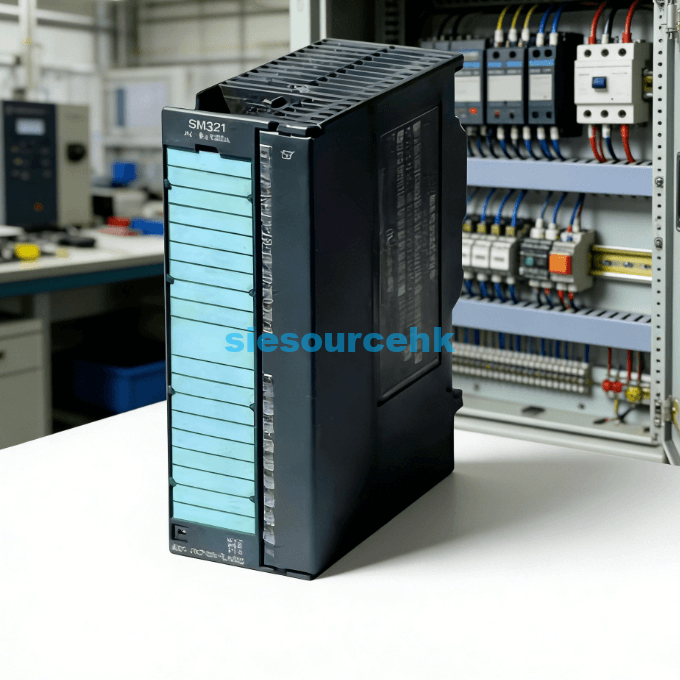
- Signal Modules (SM): Used to add high-density digital or analog inputs and outputs to the rack.
- Communication Modules (CM): Necessary for adding extra serial, AS-i, or specialized industrial network ports.
- Signal Boards (SB): These allow for adding a few I/O points without increasing the physical footprint of the PLC.
- Distributed I/O: Systems like ET 200SP allow you to connect hundreds of I/O points over a PROFINET network.
Processing Speed and Task Complexity
The complexity of your automation logic determines the necessary CPU performance class. For basic interlocking and simple timing tasks, the S7-1200 provides excellent value and sufficient processing power. More advanced machines requiring rapid data processing should utilize the S7-1500’s backplane bus speed of 400 Megabits per second. Fast execution prevents lag in safety-critical applications and ensures high-precision timing for chemical or thermal processes. Always verify the bit performance data in the manufacturer datasheet before finalizing your hardware selection.
Motion Control and Specialized Siemens PLC Solutions
Modern manufacturing often requires high-precision movement, making siemens plc control servo capabilities a top priority for engineers. Siemens integrates Motion Control functions directly into the standard CPU firmware, eliminating the need for expensive external modules. Technology Objects (TO) allow for simplified configuration of speed-controlled or positioning axes within the TIA Portal. Using a single siemens plc controller for both logic and motion reduces hardware costs and simplifies the communication architecture. This integrated approach ensures synchronous movement and high-speed coordination between multiple servo drives.
Implementing Siemens PLC Control Servo Systems
To effectively use a siemens plc control servo system, the CPU must support the PROFIdrive profile. This standardized interface allows the controller to communicate with drives over PROFINET with microsecond precision. Isochronous mode enables the PLC to synchronize its internal cycles with the network clock for jitter-free motion. For high-end applications, the S7-1500T (Technology CPU) offers advanced features like camming, gearing, and cross-PLC synchronism. These features are vital for complex robotic arms and multi-axis assembly systems.
Utilizing the Siemens PLC Open Controller
For applications requiring both PLC logic and PC-based software, a siemens plc open controller is the ideal solution. This device combines a hardware-based PLC with a Windows-based operating system on a single industrial PC platform. The ET 200SP Open Controller allows users to run C++ or LabVIEW applications alongside standard PLC code. This architecture is perfect for data-heavy tasks like image processing or complex database management at the edge. It provides a robust link between industrial control and higher-level IT systems without sacrificing real-time reliability.
Strategic Comparison of Siemens Programmable Logic Controller Categories
Categorizing your needs based on the Siemens product tiers is the most efficient way to narrow your choices. Each siemens programmable logic controller is designed for a specific segment of the market, from simple micro-automation to huge chemical plants. The S7-200 SMART series is highly cost-effective for small machines with basic connectivity requirements. Meanwhile, the S7-300 remains a staple for brownfield projects that require legacy compatibility with existing PROFIBUS networks. Understanding these tiers helps prevent over-specifying hardware and overspending on unnecessary features.
Performance Tiers of the S7-1200 and S7-1500
The S7-1200 is the go-to choice for compact automation solutions that require high flexibility. It features an integrated PROFINET interface and supports a wide range of communication protocols right out of the box. S7-1500 CPUs are designed for maximum productivity and feature a built-in display for rapid diagnostics.
The following table outlines the typical application targets for each series:
- S7-1200: Best for small-scale packaging, pump stations, and conveyor control.
- S7-1500: Ideal for automotive assembly, high-speed food production, and large-scale HVAC systems.
- S7-400: Reserved for extremely large process industries like oil and gas or power generation.
- ET 200SP CPU: A space-saving alternative that offers the performance of an S7-1500 in a decentralized I/O format.
Future-Proofing with Digital Twin and Safety Integration
Future-proofing your investment requires selecting a siemens programmable logic controller that supports digital twin technology. With S7-PLCSIM Advanced, engineers can simulate the entire PLC logic before the physical hardware is even installed. Integrated Functional Safety (Fail-safe) allows a single CPU to handle both standard and safety-related logic. This reduces the physical footprint of the control cabinet and simplifies the wiring of emergency stop buttons and light curtains. Choosing a Fail-safe (F) model ensures compliance with international safety standards while lowering total system complexity.
How to Judge the Reliability of a PLC Supplier
When purchasing a siemens plc controller, the reliability of the supplier is as important as the hardware itself. A professional supplier should provide verified serial numbers and original factory packaging to ensure product authenticity. Global supply chain issues have made local stock availability a critical metric for choosing a partner. You should evaluate a supplier based on their technical support capacity and their ability to provide comprehensive datasheets. You can browse authentic hardware options at the Siesourcehk Siemens PLC category to compare specific models and technical parameters.
A reputable distributor ensures that your plc controller siemens comes with the latest firmware updates and manufacturer warranties. They should offer a transparent lead time for high-demand models like the S7-1500 series. Verification of a supplier’s B2B track record helps avoid counterfeit components that could cause catastrophic system failures. Assessing the depth of their inventory allows you to judge if they can support long-term machine lifecycle needs. Always prioritize suppliers who specialize in the Siemens ecosystem to ensure you receive expert guidance during the procurement process.
Summary
To choose the best siemens plc controller, you must balance I/O requirements, processing speed, and motion control needs within your specific budget. The S7-1200 is perfect for compact, cost-effective automation, while the S7-1500 provides the high-performance power required for complex industrial machines. Prioritizing integrated communication and safety features ensures that your automation system remains scalable and compliant with modern manufacturing standards.
| 6ES7901-0BF00-0AA0 | 6ES7515-2RM00-0AB0 | 6ES7288-5BA01-0AA0 | 6ES7288-5DT04-0AA0 |
| 6ES7134-4NB01-0AB0 | 6ES7515-2AM01-0AB0 | 6ES7288-5A001-0AA0 | 6ES7288-5CM01-0AA0 |
| 6ES7414-2XL07-0AB0 | 6ES7515-2AM01-0AB0 | 6ES7288-5AE01-0AA0 | 6ES7288-1CR60-0AA1 |
| 6ES7513-1AM03-0AB0 | 6ES7288-1SR60-0AA0 | 6ES7512-1DM03-0AB0 | 6ES7513-1AM03-0AB0 |
1. Which Siemens PLC is best for motion control applications?
The S7-1500 series, specifically the T-CPUs, is the best choice for advanced motion control and servo systems. A siemens plc control servo setup benefits from integrated technology objects that simplify the coordination of multiple axes over PROFINET.
2. What are the main differences between the S7-1200 and S7-1500?
The S7-1200 is a compact controller for basic to mid-range tasks, while the S7-1500 is a high-performance system for complex automation. The S7-1500 features a faster backplane bus and built-in diagnostic displays that are not present on the smaller S7-1200 models.
3. Can a Siemens PLC open controller run Windows applications?
Yes, the Siemens Open Controller is designed to run both real-time PLC logic and Windows-based applications simultaneously. The siemens plc open controller utilizes a dual-core architecture to ensure that PC tasks do not interfere with the critical industrial control processes.
4. Is the S7-300 series still a recommended choice for new projects?
While still reliable, the S7-300 is considered a legacy series and is generally not recommended for new, high-performance designs. Engineers are encouraged to migrate to the S7-1500 series to take advantage of significantly faster processing speeds and modern TIA Portal integration.
5. How does a Siemens PLC handle industrial communication?
Siemens PLCs primarily use PROFINET as their standard industrial Ethernet protocol for real-time communication. Every modern siemens programmable logic controller includes at least one PROFINET port for connecting to HMI devices, drives, and other decentralized I/O systems.
Reference Sources
Siemens Industry Online Support (SIOS) – Technical Manuals and Performance Data
PLCopen – Global Association for Industrial Control Programming
IEEE Xplore – Research on Programmable Logic Controller Performance