


Blog
Top ABB Control and Protection Solutions 2026

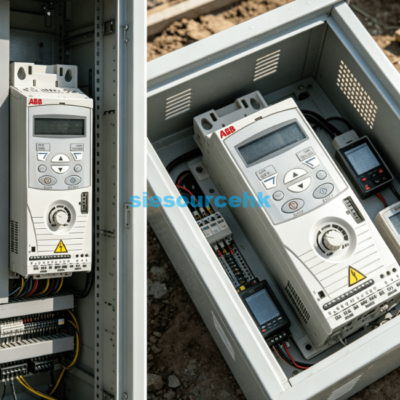
Modern electrical grids demand high precision and rapid response times to maintain stability. ABB control and protection systems represent the pinnacle of engineering excellence for industrial and utility applications. These solutions focus on minimizing downtime while maximizing the lifespan of critical infrastructure components.
As we look toward 2026, digital transformation remains the primary driver for innovation in this sector. Integrated automation platforms now allow for seamless communication between various hardware components. High-speed microprocessors enable these devices to detect faults within milliseconds, preventing catastrophic equipment failure.
Global energy shifts necessitate smarter systems that can handle bidirectional power flows and renewable integration. ABB control and protection products provide the essential framework for these evolving requirements in modern power distribution. The reliability of a power system often hinges on its ability to isolate issues locally.
By using advanced sensing technology, ABB ensures that localized faults do not lead to widespread blackouts. These systems are designed to operate under extreme environmental conditions without compromising performance or accuracy. Professionals across the globe trust these solutions to safeguard multi-billion dollar investments in energy infrastructure.
Why Is ABB Control and Protection Essential for Modern Grids?
The transition to decentralized energy sources creates complex challenges for traditional grid management. ABB control and protection systems provide the necessary intelligence to manage fluctuating loads from solar and wind farms. These solutions utilize the IEC 61850 standard to ensure interoperability across different vendor platforms and devices.
This standardization simplifies the integration process for utility providers expanding their current networks. Modern relays offer high-resolution data logging, which is crucial for post-event analysis and forensic engineering. Statistical data indicates that digital protection systems can reduce maintenance costs by up to 30% through predictive monitoring.
Instead of scheduled inspections, operators receive real-time alerts based on the actual health of the equipment. This shift from reactive to proactive maintenance increases overall system availability significantly. Furthermore, cyber security has become a core component of electrical protection strategies in recent years.
ABB integrates robust encryption and authentication protocols into their control hardware to defend against external threats. Protecting the grid from digital intrusions is now as vital as protecting it from physical lightning strikes. These multi-layered security features help utilities comply with increasingly stringent international safety regulations worldwide.
Key Features of ABB Control and Protection Hardware
| Feature Category | Description | Benefit |
| Response Time | Detects faults in under 10ms | Minimizes damage to transformers |
| Communication | Native IEC 61850 Support | Ensures seamless system integration |
| Scalability | Modular hardware design | Allows for future system expansion |
| User Interface | High-resolution HMI screens | Simplifies local data visualization |
The core of the product line includes a variety of numerical relays and programmable logic controllers. These devices are built to handle high-voltage environments while maintaining sensitive measurement capabilities. For instance, current and voltage transformers provide the input signals that the protection logic processes.
The accuracy of these measurements typically remains within a 0.2% margin for high-end protection units. Digital signal processing (DSP) allows for complex filtering of electrical noise and harmonics. This ensures that the protection system only trips during genuine fault conditions, avoiding costly nuisance tripping.
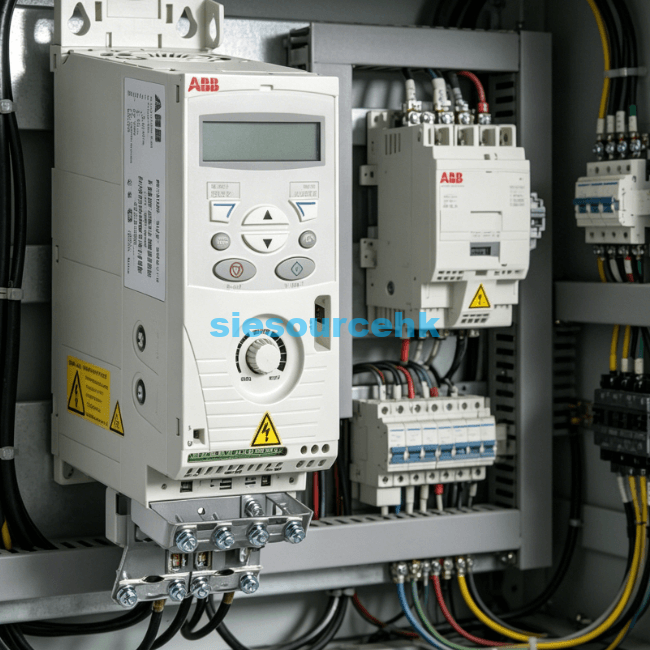
Modern units also feature extensive “self-supervision” capabilities that monitor the internal health of the relay itself. If an internal component fails, the system alerts the operator immediately to prevent a “blind” spot in protection. Thermal management is another critical aspect of the hardware design for 2026 projects.
The devices are engineered to dissipate heat effectively even in non-ventilated control cabinets. This robust thermal design extends the mean time between failures (MTBF) to over 50 years for many components. Such longevity is essential for utilities that plan their infrastructure investments over several decades.
How to Implement ABB Control and Protection for Industrial Safety
Implementing these systems requires a detailed analysis of the specific electrical environment. Engineers must first conduct a coordination study to determine the optimal trip settings for each relay. This ensures that the device closest to the fault acts first, maintaining power to the rest of the facility.
ABB control and protection software tools streamline this configuration process through intuitive graphical interfaces. The physical installation involves mounting the units into standardized racks and connecting the necessary communication cables. Fiber optic links are frequently used to eliminate electromagnetic interference between different sections of the switchgear.
Once installed, the systems undergo rigorous commissioning tests to verify their logic under simulated fault scenarios. These tests guarantee that the hardware will respond exactly as programmed during a real emergency. Training for plant personnel is a vital part of the implementation phase for safety.
Operators must understand how to interpret the data provided by the human-machine interface (HMI). Modern ABB systems provide clear, color-coded status indicators that reduce the risk of human error during high-stress events. Well-trained staff can resolve minor issues quickly before they escalate into major production stoppages.
Selecting the Right Protection Components for Your Infrastructure
Choosing the appropriate equipment depends largely on the voltage level and the criticality of the load. High-voltage transmission lines require specialized distance protection relays that can calculate fault locations accurately. In contrast, industrial motor protection focuses on thermal overload and phase imbalance detection.
Understanding these specific needs is the first step toward a reliable system design. You should consider the environmental conditions where the equipment will be installed. Harsh industrial sites may require units with conformal coating to protect against corrosive gases or high humidity.
Additionally, the availability of technical support and spare parts is a crucial factor for long-term operations. Integrating ABB control and protection solutions ensures access to a global network of expertise and standardized components. Evaluation of legacy system compatibility is also necessary when upgrading existing facilities.
Many modern ABB units are designed to be “backwards compatible” with older communication protocols via specialized gateways. This allows for a phased upgrade approach, reducing the initial capital expenditure for the project. By focusing on modularity, you ensure that your protection strategy remains flexible as your facility grows.
Summary
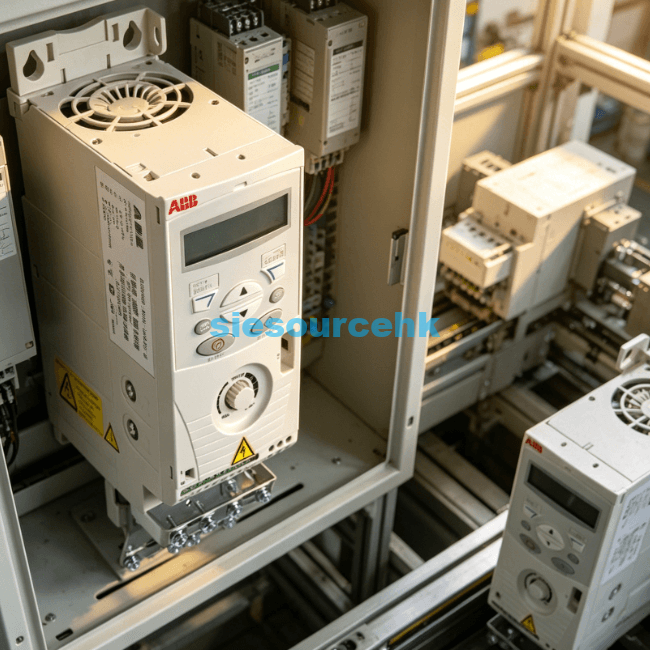
ABB control and protection solutions for 2026 offer an unparalleled blend of digital intelligence, rapid response, and physical durability. These systems empower operators to manage complex modern grids while ensuring maximum safety for personnel and equipment. By adopting these technologies, organizations can achieve higher reliability, lower maintenance costs, and resilience.
FAQ
1. What is the primary role of ABB control and protection systems?
These systems detect electrical faults and isolate them to prevent equipment damage and ensure personnel safety.
They act as the “brain” and “shield” of the electrical network by monitoring parameters in real-time.
2. Are these systems compatible with renewable energy sources?
Yes, ABB designs its modern protection relays to handle the variable and bidirectional power flows typical of solar and wind installations.
They provide specialized logic to manage the unique fault characteristics of inverter-based resources common in green energy.
3. How does digitalization improve electrical protection?
Digitalization enables faster communication, remote monitoring, and predictive maintenance capabilities.
It allows for the collection of vast amounts of data, which helps engineers optimize grid performance and reduce operational expenses.
4. Can ABB protection units be integrated into existing third-party systems?
Yes, most ABB protection devices utilize the universal IEC 61850 protocol for seamless communication with other vendors’ equipment.
This ensures high levels of interoperability in diverse technological environments across various industrial sectors.
Reference Sources
ABB – Power Grids and Automation Solutions
International Electrotechnical Commission (IEC) – IEC 61850 Standards
IEEE Power & Energy Society – Protection and Control Standards