



Blog
Understanding Allen Bradley Servo Motor MPL: Low Inertia Guide

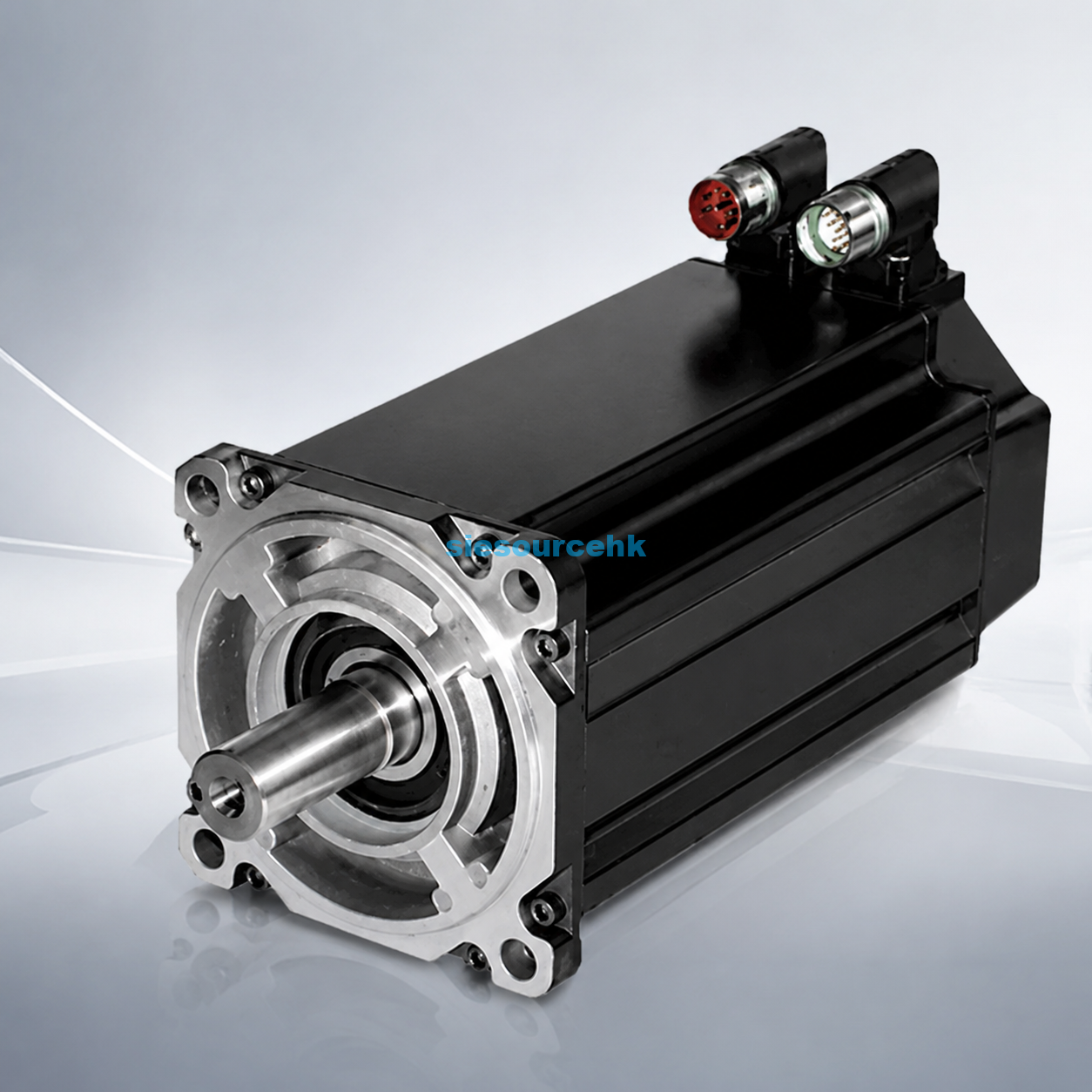
Understanding the Allen Bradley Servo Motor MPL: A Technical Guide to High-Performance Low Inertia Motion
In the landscape of industrial automation, precision and throughput are dictated by the responsiveness of the motor. The Allen-Bradley MP-Series Low Inertia (MPL) servo motors represent a pinnacle of permanent-magnet design, specifically engineered to meet the demands of high-performance systems. These motors are not merely components; they are the high-torque, compact engines that drive modern packaging, converting, and electronics assembly lines.
Selecting the right motor requires an understanding of how inertia, feedback loops, and thermal management intersect. For engineers looking to optimize a Kinetix-driven system, the MPL series offers a specific balance of power density and rapid acceleration that standard motors cannot match.
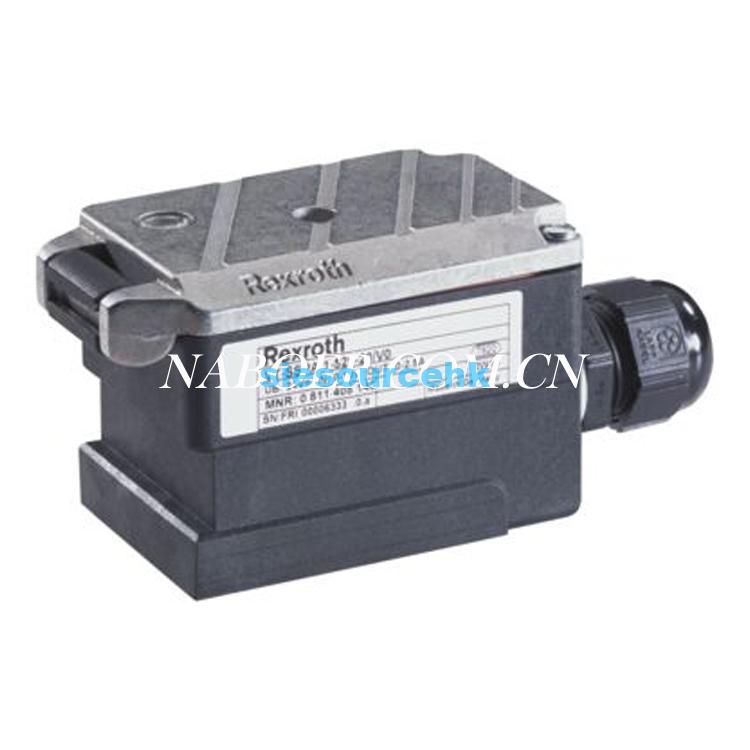
Decoding the Allen Bradley Servo Motor MPL: Why “Low Inertia” Matters
The “LI” in MP-Series Low Inertia refers to the rotor’s ability to change speed almost instantaneously. In physics terms, inertia is the resistance of any physical object to any change in its velocity. In a manufacturing environment, high inertia is the enemy of high-cycle-rate applications.
An Allen Bradley Servo Motor MPL features a high torque-to-size ratio. By reducing the mass of the rotor, Rockwell Automation has created a motor that can start and stop with extreme precision. This is critical in applications like “pick and place” or high-speed labeling, where a delay of even a few milliseconds can result in product misalignment or machine downtime.
Technical Anatomy of the MPL Series
The sophistication of the MPL series lies in its internal architecture. Unlike general-purpose motors, these units are designed to communicate seamlessly with Logix-based controllers.
- Smart Motor Technology: Every MPL motor contains an onboard memory chip. This chip stores motor parameters, allowing the Kinetix drive to automatically identify the motor upon connection. This reduces commissioning time and eliminates the risk of manual data entry errors in the drive software.
- High-Resolution Feedback: MPL motors typically utilize high-resolution encoders. Whether you require multi-turn absolute feedback to eliminate the need for homing cycles or a simple digital encoder, the MPL series provides the granularity needed for sub-millimeter precision.
- Permanent Magnet Construction: By using high-energy rare-earth magnets, the MPL series achieves higher flux density. This results in a smaller frame size for the same power output compared to traditional induction or older servo designs.
Key Performance Specifications and Frame Sizes
The versatility of the Allen Bradley Servo Motor MPL is evidenced by its wide range of frame sizes, typically spanning from 63 mm to 300 mm. When evaluating these motors for a project, engineers focus on three primary metrics:
- Continuous Stall Torque: Ranging from roughly 0.26 N-m to 163 N-m, ensuring there is a model for both delicate electronics and heavy-duty material handling.
- Peak Torque: The ability to provide a burst of energy for rapid acceleration is a hallmark of the MPL, with peak values often doubling or tripling the continuous ratings.
- Rated Speed: With options reaching up to 8000 RPM, the MPL series supports high-velocity throughput without sacrificing torque stability.
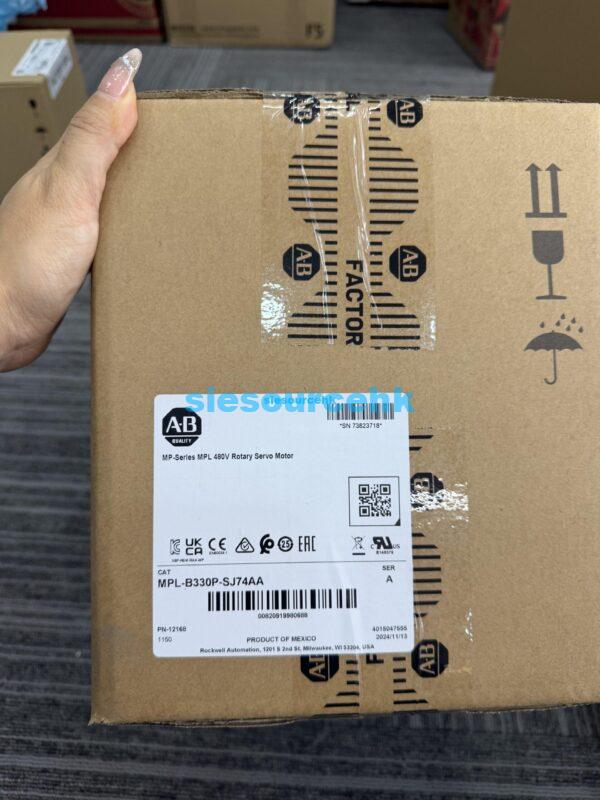
Environmental Adaptability and Protection Standards
Industrial environments are rarely pristine. The MPL series is designed with modularity in mind regarding environmental protection. While the standard motor often carries an IP50 rating, options exist to upgrade to IP66.
- Shaft Seals: For environments involving moisture or light washdown, shaft seal kits are essential. These prevent contaminants from entering the front bearing, extending the motor’s operational life.
- Cabling Solutions: The use of SpeedTec connectors allows for a secure, quick-connect interface that maintains signal integrity even in high-vibration environments.
- Thermal Management: The MPL’s aluminum housing is designed for efficient heat dissipation. In high-duty cycle applications, managing the thermal envelope is vital to prevent demagnetization of the internal magnets.
Industrial Applications for MPL High-Performance Motors
Where does an Allen Bradley Servo Motor MPL excel? It is best suited for “high-dynamic” applications. If the motion profile involves frequent starts, stops, and reversals, the low-inertia rotor is the ideal choice.
- Packaging Machinery: Specifically in carton folding, filling, and sealing where timing must be synchronized with a moving conveyor.
- Automotive Assembly: Robotic joining or precision fastening where the motor must respond to torque-sensing feedback in real-time.
- Material Handling: High-speed sorting systems that require rapid “diverter” movements.
- Converting and Print: Maintaining web tension through rapid speed adjustments to prevent material tearing.
Integration with Kinetix Drive Systems
The true value of the MPL motor is unlocked when paired with Allen-Bradley Kinetix 5500, 6000, or 6500 drives. This “Integrated Motion on EtherNet/IP” ecosystem allows for:
- Reduced Wiring: Using single-cable technology (in some newer iterations) or standardized power and feedback cables.
- Advanced Diagnostics: Real-time monitoring of motor temperature, encoder health, and torque utilization through Studio 5000 software.
- Safety Features: Support for Safe Torque Off (STO), ensuring that the motor can be brought to a safe state without cutting main power, thus increasing machine uptime.
For those sourcing these components for specialized machinery or system upgrades, viewing the full range of technical variations is necessary. You can explore specific configurations and availability for various frame sizes via technical distributors like SIESource HK, who provide access to the extensive MPL catalog.
Conclusion: Optimizing Motion Control
The Allen Bradley Servo Motor MPL is more than a rotary actuator; it is a precision instrument designed for the rigors of modern manufacturing. By prioritizing low rotor inertia and high-resolution feedback, Rockwell Automation has provided a path for OEMs and end-users to increase machine speed and accuracy simultaneously. When choosing an MPL motor, always cross-reference your peak torque requirements and environmental conditions to ensure the longest possible service life for your automation investment.
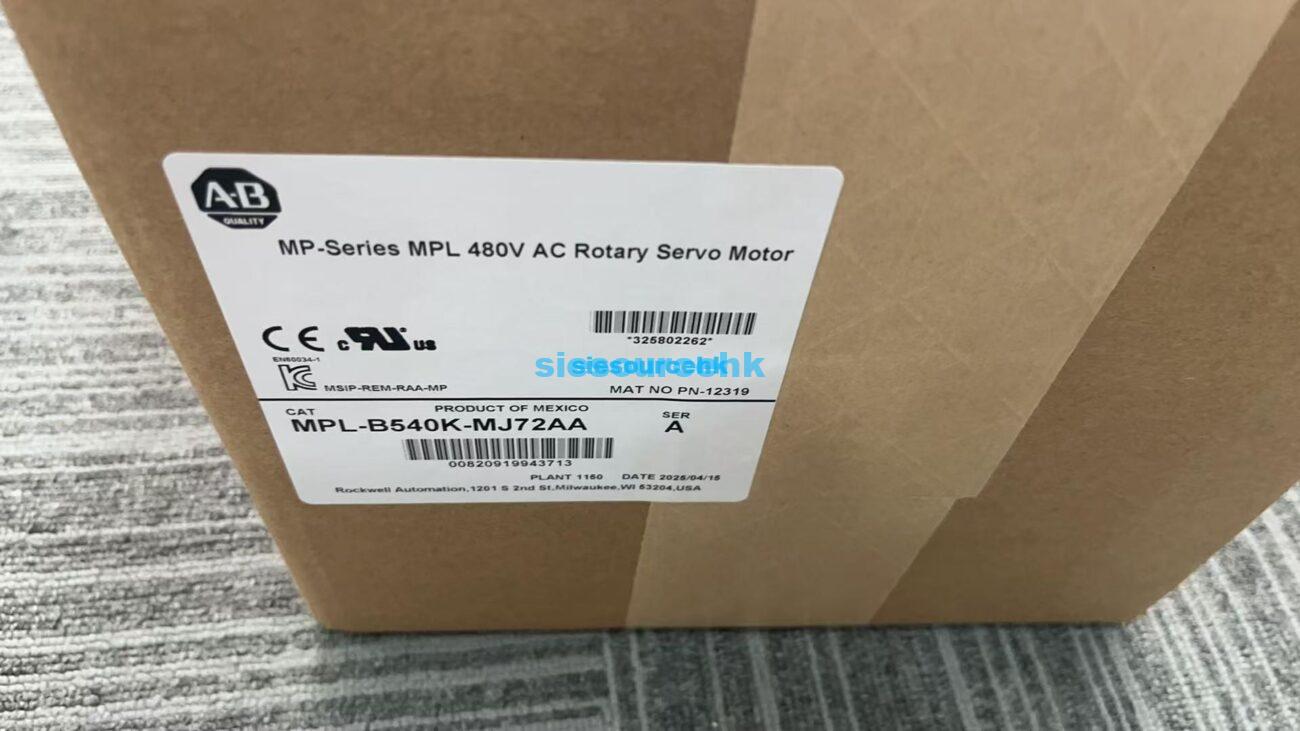
FAQ
Q1: What is the difference between MPL and MPM motors?
A: The MPL (Low Inertia) is designed for high-acceleration, high-cycle-rate applications. The MPM (Medium Inertia) is designed for applications with larger loads where “load-to-motor” inertia matching is more difficult, providing greater stability for heavier masses.
Q2: Does the MPL motor require a homing sequence every time it powers up?
A: If the motor is equipped with an absolute encoder, it retains its position data even after power loss, eliminating the need for a homing routine. If it has an incremental encoder, homing is required.
Q3: Can I use third-party cables with an Allen Bradley Servo Motor MPL?
A: While physically possible, it is highly discouraged. Allen-Bradley cables are shielded specifically to prevent EMI (Electromagnetic Interference) from affecting the high-resolution feedback signals, which is critical for the “Smart Motor” identification feature.
Q4: What should I do if my MPL motor is overheating?
A: First, check the duty cycle in your motion profile. You may need to reduce acceleration rates or implement external cooling. Additionally, ensure the shaft is not binding and the optional shaft seal is properly lubricated.
Q5: Are MPL motors compatible with the Kinetix 5100 drive?
A: Yes, the MPL series is compatible with the Kinetix 5100, though they are most commonly seen in synchronized multi-axis systems using Kinetix 5500 or 5700 drives.
Reference Sources
- Rockwell Automation Technical Documentation: MP-Series Low Inertia Servo Motor Product Data (Publication MP-TD001).
- NEMA (National Electrical Manufacturers Association): Standard MG 1-2016 for Motors and Generators.
- IEEE Xplore: Analysis of Permanent Magnet Synchronous Motors in High-Dynamic Industrial Applications.
- ISO 13849-1: Safety of machinery — Safety-related parts of control systems.