



Blog
Schneider GV2ME Series: Technical Selection & Commercial Guide

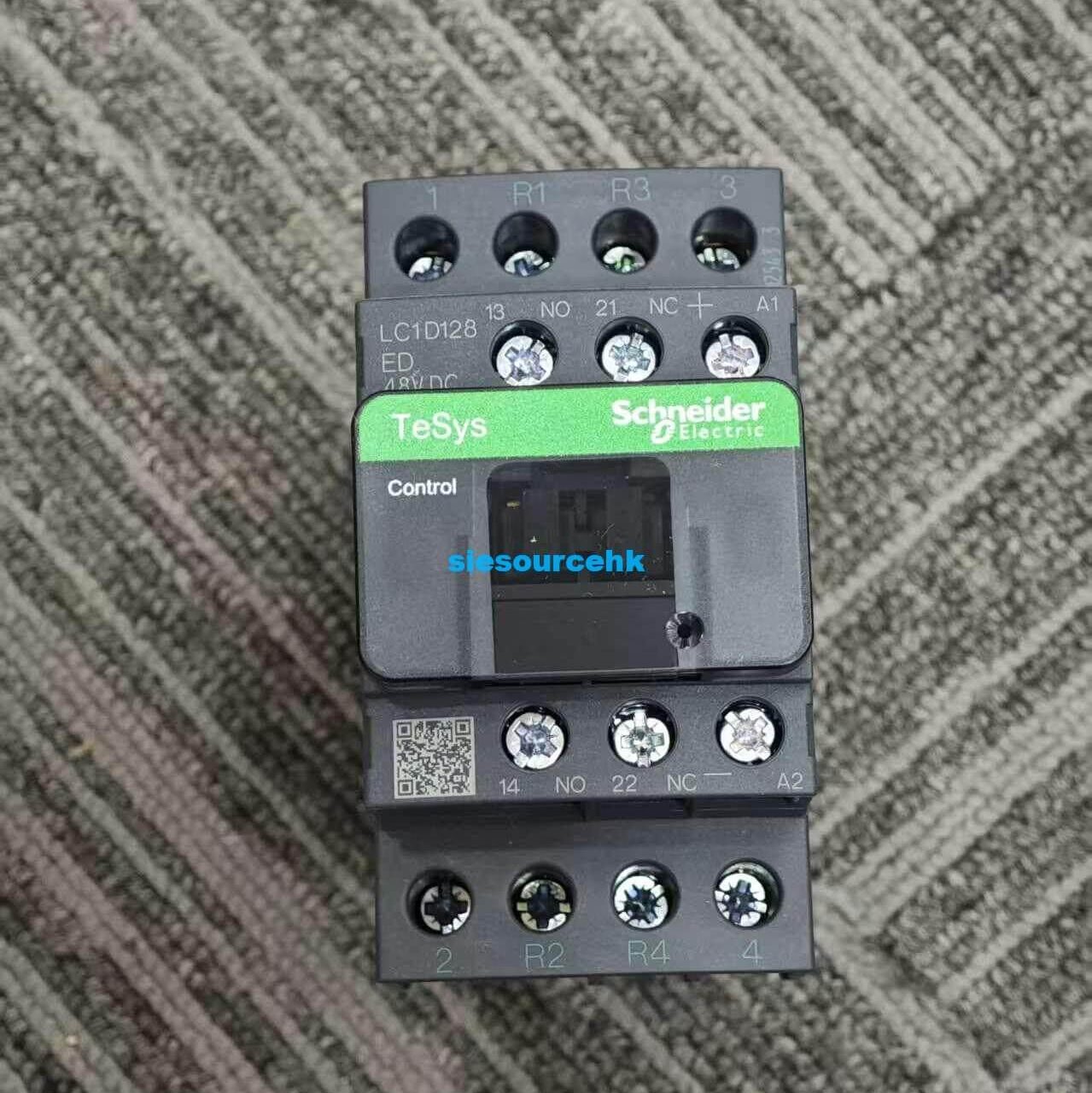
The reliability of an industrial automation system often hinges on a single component’s ability to react within milliseconds. For engineers and OEM project managers, the Schneider GV2ME Series represents the global benchmark for manual motor starters (MPCBs). These thermal-magnetic circuit breakers are engineered specifically to provide integrated protection for three-phase motors against short circuits, overloads, and phase failures.
Selecting a GV2ME unit is not merely about matching a horsepower rating; it is about understanding the coordination between thermal trip settings and the specific inrush current of your motor. In this guide, we evaluate the Schneider GV2ME series from both a technical performance and a commercial procurement perspective to help you minimize downtime and optimize electrical cabinet footprints.
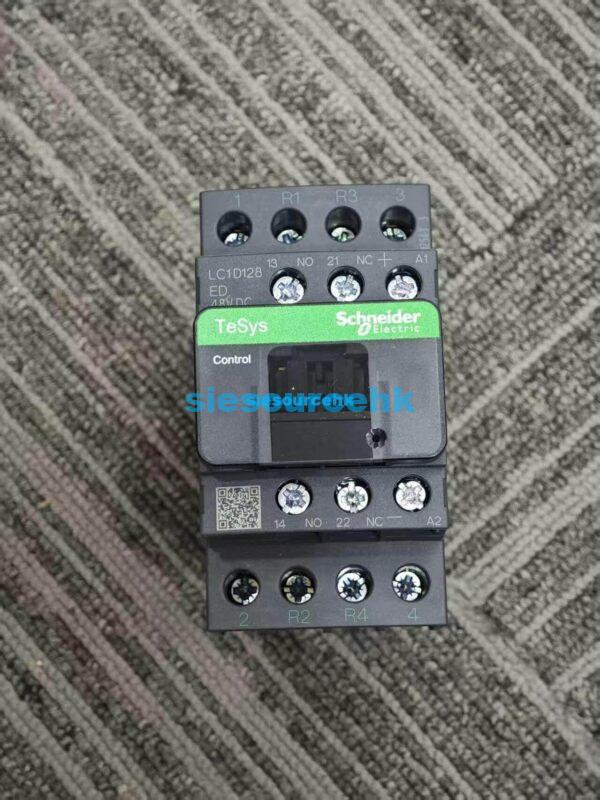
The Engineering Logic Behind Schneider GV2ME Series Protection
The Schneider GV2ME series operates on a dual-protection principle. Unlike standard miniature circuit breakers (MCBs), which are often poorly suited for the inductive loads of motors, the GV2ME is built to handle the high starting currents characteristic of squirrel-cage motors.
- Thermal Protection: Each GV2ME unit features a built-in bimetallic trip mechanism. This provides adjustable overload protection. By using the front-facing dial, an electrician can calibrate the breaker to the motor’s actual full-load current (FLC).
- Magnetic Protection: For catastrophic failures, such as line-to-line short circuits, the magnetic element provides an instantaneous trip. The trip threshold is typically fixed at approximately 13 times the maximum current setting of the thermal release, ensuring the motor is isolated before winding damage occurs.
- Phase Failure Sensitivity: A critical failure mode in industrial environments is “single-phasing.” The GV2ME series is designed to detect the imbalance caused by a lost phase, tripping the circuit to prevent the motor from overheating under unbalanced load conditions.
Technical Specification Matrix: GV2ME Current Ranges
When auditing your motor control center requirements, identifying the correct current range is paramount. The Schneider GV2ME series covers a broad spectrum of motor power ratings.
| Model Reference | Thermal Setting Range (A) | Typical Motor Power (400/415V) | Magnetic Trip Current (A) |
| GV2ME01 | 0.1 – 0.16 | < 0.06 kW | 1.5 |
| GV2ME06 | 1.0 – 1.6 | 0.37 – 0.55 kW | 22.5 |
| GV2ME08 | 2.5 – 4.0 | 1.1 – 1.5 kW | 51 |
| GV2ME14 | 6.0 – 10.0 | 3.0 – 4.0 kW | 138 |
| GV2ME22 | 20.0 – 25.0 | 11.0 kW | 327 |
| GV2ME32 | 24.0 – 32.0 | 15.0 kW | 416 |
Note: Breaking capacity (Icu) varies by model and voltage. For most units in the 0.1A to 10A range, the Icu at 400V is 100kA, offering superior protection without the need for upstream fuses.
Why Industrial Facilities Standardize on the GV2ME Series
From a commercial and maintenance standpoint, the Schneider GV2ME series offers several advantages that directly impact the Total Cost of Ownership (TCO).
1. Compact 45mm Width Profile
In modern manufacturing, control panel space is expensive. The GV2ME series maintains a consistent 45mm width across its standard range. This modularity allows for high-density DIN rail mounting, simplifying the layout for OEM panel builders and reducing the overall size of the electrical enclosure.
2. Push-Button Operational Control
The “ME” designation indicates a push-button interface. This is often preferred in environments where manual local control is required. The buttons provide clear visual feedback of the “On” or “Off” status and are designed for high mechanical durability—rated for up to 100,000 switching cycles.
3. Seamless TeSys Ecosystem Integration
The GV2ME is the foundation of the Schneider TeSys Deca (formerly TeSys D) ecosystem. It can be directly coupled with TeSys contactors using link blocks (e.g., GV2AF3), creating a “Type 2 Coordination” motor starter. This coordination ensures that following a short circuit, the contactor and starter remain functional, drastically reducing recovery time.
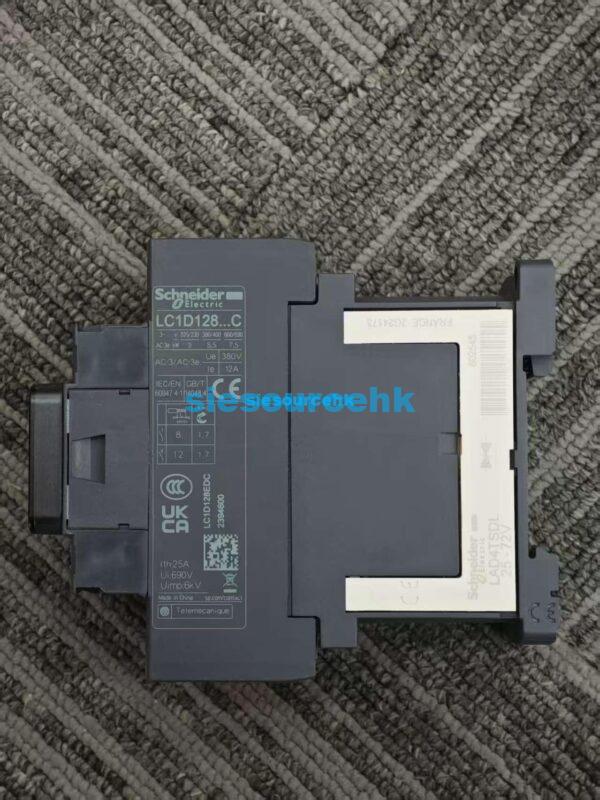
Environmental and Compliance Considerations
For global manufacturing projects, compliance is non-negotiable. The Schneider GV2ME series meets the following international standards:
- IEC/EN 60947-2 & 60947-4-1: Ensuring global acceptance for industrial machinery.
- UL 60947-4-1: Essential for equipment destined for the North American market.
- RoHS & REACH: Aligning with environmental sustainability mandates.
In high-temperature environments, such as those near injection molding machines or industrial kilns, de-rating must be considered. The GV2ME is compensated for ambient temperature, but for operation above 60°C, engineers should consult the de-rating curves to ensure the thermal trip does not engage prematurely.
Commercial Evaluation: ROI and Procurement Workflow
When procuring the Schneider GV2ME Series, the decision factor often moves beyond the unit price to supply chain reliability and technical support.
- Minimizing Spares Inventory: Because the GV2ME covers such a wide range of motor sizes with only a few frame sizes, facilities can reduce their “Critical Spares” inventory. A single GV2ME20 (13-18A) can protect several different motor sizes within its adjustment range.
- Lead Time Management: In the current industrial climate, availability is key. Working with specialized distributors like SIESource HK allows for better visibility into stock levels for specific ratings like the GV2ME10 or GV2ME14, which are frequently used in conveyor and HVAC applications.
- Ease of Installation: The use of screw clamp terminals designed for high torque ensures long-term connection stability, even in high-vibration environments like crushing or milling plants.
Application Spotlight: Critical Use Cases
- HVAC Systems: Using the GV2ME to protect pump motors. The phase failure sensitivity prevents motor burnout if a building’s power supply experiences a partial failure.
- Material Handling: In large-scale warehouses, the GV2ME provides the necessary localized manual disconnect required for conveyor maintenance.
- Water Treatment: The high breaking capacity (Icu) is vital in pumping stations where the proximity to transformers results in high prospective fault currents.
Product model
| GV2ME14TQ | GV2ME10C | GV2ME103 |
| GV2ME21 | GV2ME05C | GV2ME043 |
| GV2ME02 | GV2ME08C | GV2ME013 |
| GV2ME22 | GV2ME21 | GV2ME023 |
| GV2ME32C | GV2ME16 | GV2ME033 |
| GV2ME22C | GV2ME05 | GV2ME10 |
| GV2ME21C | GV2ME203 | GV2ME14 |
| GV2ME20C | GV2ME053 | GV2ME073 |
| GV2ME16C | GV2ME073 | GV2ME213 |
| GV2ME14C | GV2ME063 | GV2ME07 |
FAQ: Commercial & Technical Insights
Q: What is the difference between GV2ME and GV2P?
A: The primary difference is the operator interface. The GV2ME uses a push-button mechanism (Start/Stop), while the GV2P uses a rotary handle. Rotary handles are generally considered more robust for heavy-duty industrial applications and are easier to padlock in the “Off” position for Lock-Out Tag-Out (LOTO) procedures.
Q: Can I use a GV2ME for a single-phase motor?
A: Yes, but you must wire the poles in series. To ensure the phase-failure protection doesn’t trip the breaker, the current must pass through all three internal bimetallic strips. Failure to do this will result in nuisance tripping.
Q: What are the common auxiliary contacts available for the GV2ME?
A: The most common are the GVAN11 (1NO+1NC side-mounted) or the GVAE11 (1NO+1NC front-mounted). These are essential for sending a “Trip” signal back to a PLC or for interlocking the starter with other machine functions.
Q: What is the significance of the “Trip Class 10” rating?
A: “Class 10” refers to the trip time during an overload. It means the breaker will trip in 10 seconds or less when subjected to 7.2 times its rated current. This is the standard for most general-purpose industrial motors.
Reference Sources
- IEC 60947-4-1: Low-voltage switchgear and controlgear – Part 4-1: Contactors and motor-starters. International Electrotechnical Commission.
- Schneider Electric Technical Library: TeSys Deca Motor Circuit Breaker Catalog (Document Ref: LSN03058EN).
- UL Product iQ: Certified motor protection components for North American safety standards. UL Solutions.
- SIESource HK Product Search: GV2ME Series Inventory and Specifications.