



Blog
How to Identify SEMIKRON IGBT Part Numbers: A Technical Decoding Guide

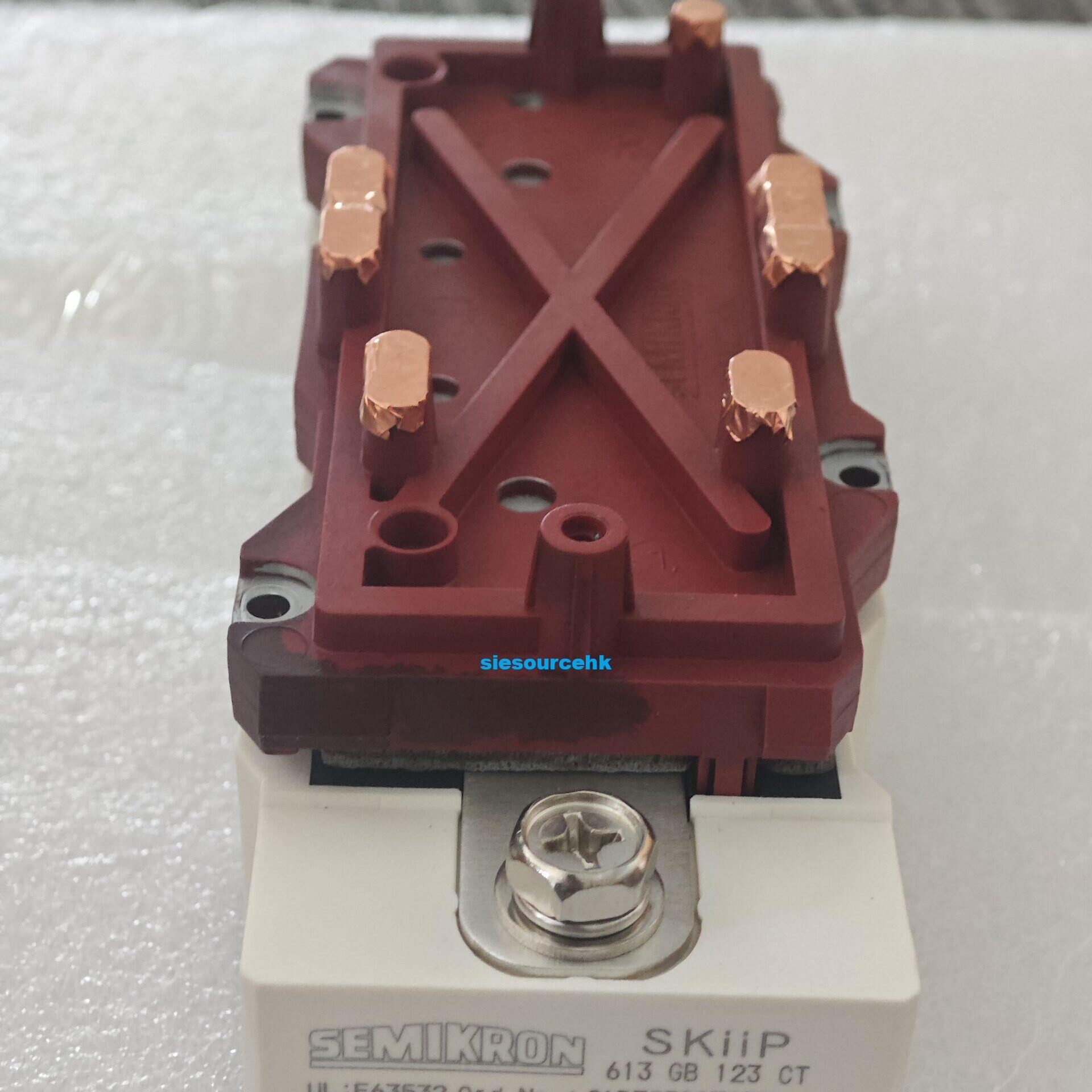
Identifying the correct SEMIKRON IGBT module is a critical task for power electronics engineers, maintenance technicians, and industrial procurement specialists. In the world of high-power switching, a single-digit discrepancy in a part number can lead to catastrophic hardware failure or incompatible thermal management.
SEMIKRON (now Semikron Danfoss) utilizes a sophisticated alphanumeric system to categorize its Insulated Gate Bipolar Transistor (IGBT) modules. This guide provides a technical breakdown of how to read these codes, identify package types, and verify specifications to ensure seamless replacement or design integration.
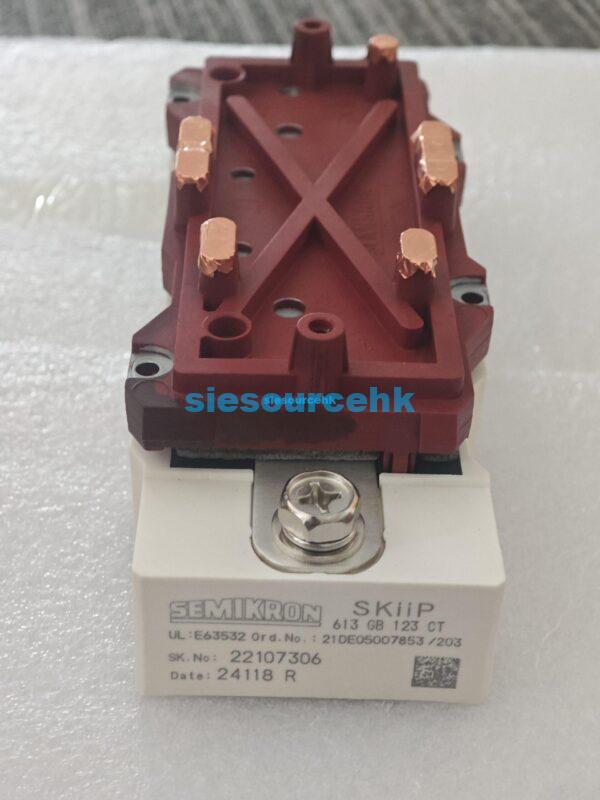
The Anatomy of a SEMIKRON IGBT Part Number
Most SEMIKRON IGBT modules, particularly the widely used SKM series, follow a structured nomenclature. By breaking the part number into segments, you can identify the device’s electrical characteristics without even opening a datasheet.
Consider a common example: SKM 100 GB 123 D
1. The Prefix (Product Group)
The first letters identify the product family or technology platform.
- SKM: This is the standard designation for SEMIKRON IGBT Modules (Semitrans).
- SKiiP: Signifies “Semikron integrated intelligent Power” blocks, which often include the driver and cooling system.
- SKD/SKB: These typically refer to bridge rectifiers, though they often appear in the same power assemblies.
2. Current Rating (Amperes)
The numeric value immediately following the prefix indicates the nominal collector current ( IC )
- In our example SKM 100, the “100” represents a 100 Ampere rating.
- Note for Engineers: This rating is usually defined at a specific case temperature (
TcTc), often 25°C or 80°C. Always verify theICICvs.TcTccurves in the technical documentation for actual operating conditions.
3. Circuit Configuration
This alphabetic code defines the internal topology of the module—crucial for matching the component to your inverter or converter circuit.
- GB: Half-Bridge (The most common configuration for AC motor drives).
- GAL: Low-side Chopper (used in DC-DC converters).
- GAR: High-side Chopper.
- GD: Three-phase Bridge (6-pack).
- GA: Single switch module.
4. Voltage Rating (Voltage Class)
The next digits represent the Collector-Emitter voltage (VCES )
- 06: 600V
- 12: 1200V
- 17: 1700V
- In our example 123, the “12” indicates a 1200V rating. The third digit (“3”) often refers to specific chip technologies or generations (e.g., IGBT3 vs. IGBT4).
5. Additional Features and Suffixes
The final letters indicate internal components or specialized chip technology.
- D: Signifies the inclusion of a Free-Wheeling Diode (CAL diode technology).
- T: Often indicates Trench-gate technology (lower switching losses).
- E: Enhanced performance or specific thermal characteristics.
Identifying Package Types and Housing
While the part number tells you the electrical specs, the physical housing (Case) determines the mechanical fit and cooling requirements. SEMIKRON modules are grouped into several “Case” styles that are often cross-referenced in procurement databases.
| Package Family | Typical Application | Characteristics |
| SEMITRANS® | Industrial Drives, UPS | Large, high-power modules with screw terminals. Found in the SKM series. |
| SEMITOP® | Welding, Solar Inverters | Compact, PCB-mounted modules with solder pins. |
| MiniSKiiP® | Small Motor Drives | Spring-contact technology for solder-free assembly. |
| SEMIPACK® | Soft Starters | Primarily used for Thyristor/Diode modules. |
When searching for replacements on platforms like SIESource, identifying the specific SKM case size (e.g., Semitrans 2, Semitrans 3) is as important as the electrical rating to ensure the busbars and heatsink holes align.
Critical Technical Considerations for Identification
Verifying Chip Technology
SEMIKRON has evolved its IGBT chips through various generations. A part number ending in 12T4 uses 4th generation Trench-field-stop technology, which offers different switching speeds and gate charge requirements compared to older 123D (Non-Punch Through) models. Replacing an older generation with a newer one may require adjustments to the Gate Driver circuit.
Thermal Interface Material (TIM)
Modern SEMIKRON part numbers may include a suffix like “p” (e.g., SKM100GB12T4p). This indicates that the module comes pre-applied with High-Performance Thermal Interface Material. If your existing module does not have this, you must ensure manual application of thermal grease during installation.
Date Codes and Batch Numbers
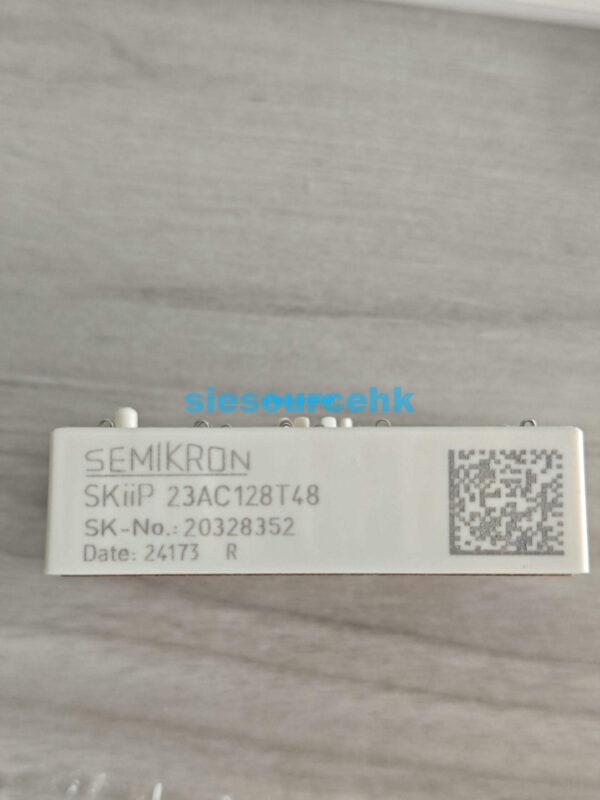
On the physical label of the module, you will find a 4-digit date code (e.g., 2140). This translates to the 40th week of 2021. This is vital for traceability and ensuring that modules used in parallel configurations come from the same production batch to minimize current-sharing imbalances.
How to Authenticate SEMIKRON Modules
Given the prevalence of refurbished or counterfeit power semiconductors in the global supply chain, verification is a security necessity.
- Data Matrix Code: Most modern SEMIKRON modules feature a 2D Data Matrix code on the label. This can be scanned to verify the serial number against the manufacturer’s database.
- Laser Marking: Genuine modules use precise laser etching. If the text appears printed with ink or shows signs of “sanding” (the surface of the plastic looks uneven), it may be a re-marked part.
- The Baseplate: Inspect the copper baseplate. Quality modules will have a slight “crown” or curvature designed to flatten when bolted to a heatsink for optimal thermal contact.
Sourcing and Cross-Referencing
When a specific SEMIKRON part number is obsolete or has a long lead time, engineers often look for equivalents. However, because IGBTs have unique gate characteristics and thermal impedances, direct “drop-in” replacements are rare.
When browsing inventories of SKM IGBT modules, always cross-reference:
- Gate-Emitter Threshold Voltage (
VGE(th)VGE(th)): Ensure your driver can trigger the new module. - Package Height: A 1mm difference in terminal height can prevent the busbar from seating correctly.
- Diode Forward Voltage (
VFVF): Vital for efficiency calculations in regenerative braking applications.
Product Model
| SKM75GB123D | SKM100GB123D | SKM75GB128D |
| SKM100GB128D | SKM50GB123D | SKM75GB12T4 |
| SKM145GB123D | SKM150GB128D | SKM200GB128D |
| SKM300GB128D | SKM400GB128D | SKM150GB123D |
| SKM200GB123D | SKM300GB123D | SKM400GB123D |
| SKM150GB12T4G | SKM200GB12T4 | SKM300GB12T4 |
| SKM400GB12T4 | SKM150GB128DE | SKM200GB128DE |
| SKM400GB128DE | SKM150GB123DE | SKM200GB123DE |
| SKM300GB123DE | SKM400GB123DE | SKKD162/08 |
| SKKD162/12 | SKKD162/14 | SKKD162/16 |
| SKKD162/18 | SKKD162/20H4 | SKKD162/22H4 |
| SKKT106/18E | SKKT106/16E | SKKT106/14E |
| SKKH106/18E | SKKH106/16E | SKKH106/14E |
FAQ: Identifying SEMIKRON IGBTs
Q: Can I replace an SKM100GB123D with an SKM150GB123D?
A: Electrically, yes, as the 150A module has a higher capacity. However, you must check if the gate capacitance ( CIES ) is significantly higher, as your existing gate driver might not be powerful enough to switch the larger module efficiently.
Q: What does the “GAL” vs “GB” mean in the part number?
A: This refers to the internal topology. GB is a Half-Bridge (two IGBTs in series). GAL is a Low-side Chopper (one IGBT and one free-wheeling diode). They are not interchangeable.
Q: Where can I find the official datasheet using the part number?
A: You should use the full part number on the official Semikron Danfoss website or reputable industrial distributors. Ensure the suffix (like T4 or D) matches exactly, as these denote different chip generations.
Q: How do I identify if my module is a “6-pack”?
A: Look for the GD designation in the part number (e.g., SKM 50 GD 123 D). These modules contain six IGBTs and are designed for three-phase motor control.
References:
- Semikron Danfoss Technical Application Manual: Power Electronics.
- IEC 60747-9: Semiconductor devices – Discrete devices – Part 9: Insulated-gate bipolar transistors (IGBTs).
- ISO 9001:2015 Quality Management Systems for Power Semiconductors.