



Blog
Servo Motor vs Stepper Motor: Which is Better?

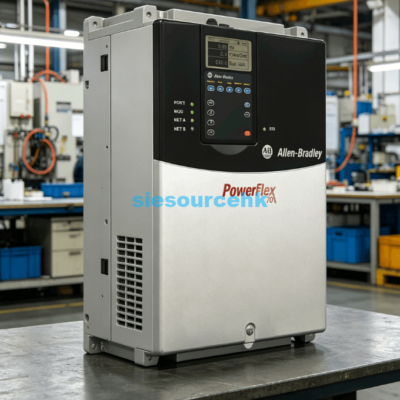
Selecting the right motion control technology is a critical decision for any engineering project. The debate of servo vs stepper motor often centers on balancing precision with overall system cost. While both motors convert electrical energy into mechanical motion, their internal architectures differ significantly. Stepper motors move in discrete steps, making them ideal for simple positioning tasks. In contrast, servo motors utilize sophisticated feedback loops to ensure high-speed accuracy. Understanding these fundamental differences is the first step toward optimizing your industrial machinery.
The choice often depends on the specific requirements of your application, such as load weight and operating environment. Steppers are generally preferred for low-speed, high-torque applications where simplicity is valued. Servos excel in high-speed, high-dynamic scenarios where constant monitoring of position is required. Australian manufacturers often weigh these factors against long-term maintenance costs and energy efficiency. By evaluating technical parameters, you can determine which motor type delivers the best return on investment.
Key Technical Differences Between Servo and Stepper Motors
The primary distinction between these two technologies lies in their control mechanism and pole count. Stepper motors typically feature a high number of poles, often between 50 and 100. This design allows the motor to move precisely from one step to the next without a feedback sensor. Because they operate in an “open-loop” fashion, they can lose steps if the load exceeds the motor’s torque capacity. This potential for error makes them less suitable for safety-critical or high-precision industrial tasks.
Servo motors operate using a “closed-loop” system, which relies on a constant stream of data from an encoder. These motors usually have a low pole count, typically between 4 and 12 poles, allowing for much higher speeds. The controller constantly compares the target position with the actual position reported by the encoder. If a discrepancy exists, the system automatically adjusts the current to correct the error. This feedback loop ensures that the motor maintains its position even under varying load conditions.
When comparing performance metrics, the torque curves of these motors show a stark contrast. A stepper motor provides its maximum torque at zero speed, which then drops off rapidly as RPM increases. Conversely, a servo motor maintains a consistent torque profile across a much wider speed range. For instance, a typical NEMA 23 stepper might lose 50% of its torque by 500 RPM. A high-quality servo can often maintain 100% rated torque up to 3,000 or even 5,000 RPM.
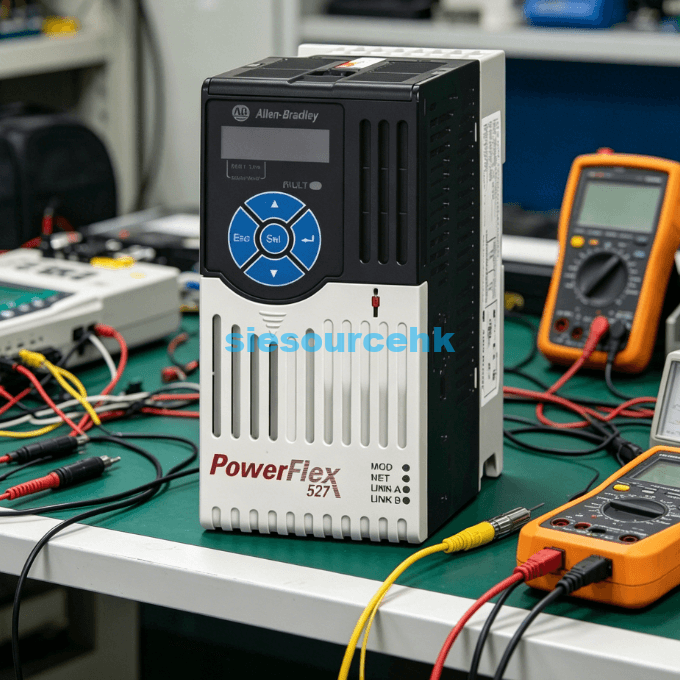
Speed and Torque Dynamics in Australian Industry
The relationship between speed and torque is the most significant factor in the servo vs stepper motor comparison. Stepper motors are synchronous motors where the rotor’s movement is synchronized with the magnetic field pulses. As the pulse frequency increases, the inductance of the windings limits the current flow. This physical limitation causes the torque to diminish quickly at higher speeds. Consequently, steppers are most effective in applications requiring less than 1,000 RPM.
Servo motors overcome this limitation by using more advanced commutation methods and high-energy magnets. Because the drive only provides the current necessary to reach the target, the motor runs cooler and more efficiently. This ability to deliver “torque on demand” makes servos the standard for high-acceleration tasks. In many CNC applications, the rapid traverse speeds required can only be achieved through servo technology. The peak torque of a servo can also reach 300% of its rated torque for short bursts.
Furthermore, vibration and noise levels differ significantly between the two types. Stepper motors are prone to resonance issues at certain speeds, which can cause audible noise and physical vibration. Servo motors operate much more smoothly because the drive adjusts the current waveforms to minimize torque ripple. This smoothness is essential in delicate operations like medical device manufacturing or optical lens grinding. Australian industries focused on high-throughput packaging often choose servos to minimize mechanical wear caused by vibration.
| Feature | Stepper Motor | Servo Motor |
| Control System | Open-Loop | Closed-Loop |
| Torque Profile | High at low speeds | Constant across speed range |
| Speed Range | 0 – 1,500 RPM | Up to 5,000+ RPM |
| Cost | Low to Moderate | Higher Initial Investment |
Why System Integration Matters for Performance
Determining whether to use a servo vs stepper motor requires a deep analysis of your system’s duty cycle. If your application involves frequent starts and stops with high precision, a servo system is usually necessary. Systems that require holding a position for long periods without movement might benefit from a stepper’s natural “holding torque.” You must also consider the complexity of the setup and the technical expertise of your maintenance team. Stepper systems are easier to commission because they do not require complex PID tuning.
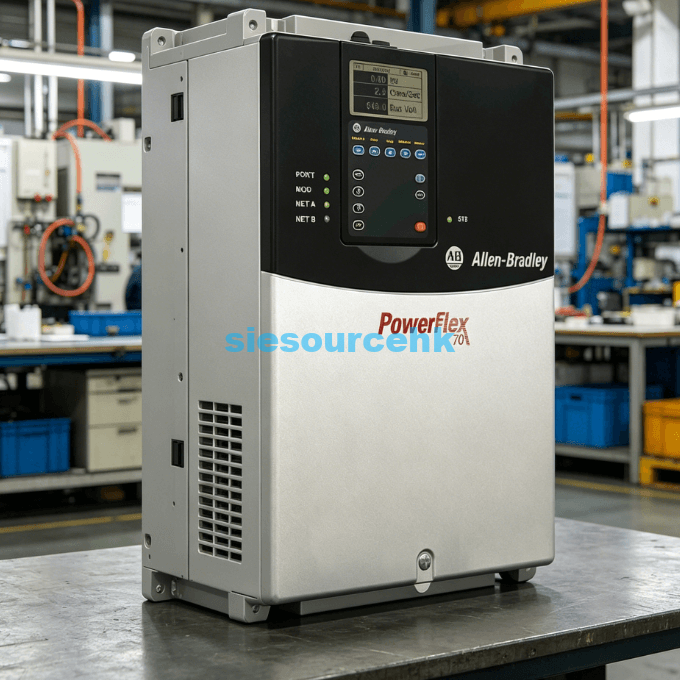
For high-end industrial automation, brands like Allen-Bradley offer advanced motion control solutions. Their systems are designed to handle complex multi-axis synchronization with high reliability. You can explore a variety of Allen-Bradley servo drivers and motors to find the right power rating for your project. These components are engineered to work seamlessly within modern industrial Ethernet environments. Selecting a reputable brand ensures long-term availability of spare parts and technical support.
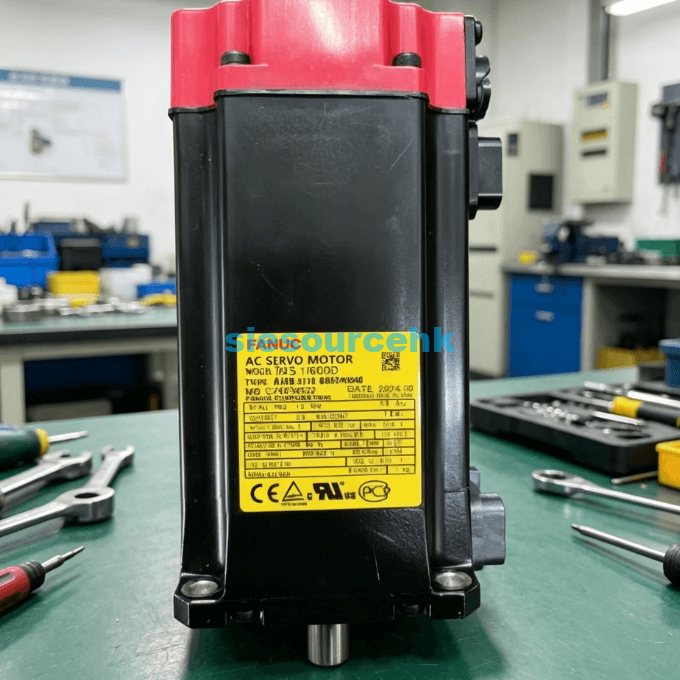
In machining environments where high spindle speeds are required, Fanuc technology is often the industry benchmark. Integrating specialized Fanuc servo and spindle motors ensures exceptional thermal stability and accuracy in heavy-duty cutting operations. If your project involves complex CNC integration, evaluating these specialized motors is vital for maintaining production quality. Similarly, Mitsubishi provides highly efficient Mitsubishi Melservo systems that focus on reducing the total cost of ownership through energy savings and vibration suppression. Matching the motor technology to your specific hardware ecosystem will prevent compatibility issues during installation.
Evaluating Total Cost of Ownership
While the initial purchase price of a stepper motor is lower, the total cost of ownership (TCO) may be higher. Stepper motors consume full current even when stationary, leading to significant heat generation and wasted energy. Over a five-year period, the electricity costs for a continuously running stepper can exceed its purchase price. In contrast, servo motors only consume energy proportional to the work performed. This makes them a more sustainable choice for large-scale production facilities.
Reliability is another factor that influences the TCO in the servo vs stepper motor debate. Because servos use feedback, they can detect if a jam occurs and shut down safely to prevent damage. A stepper motor may continue to attempt movement, potentially causing mechanical failure or ruining the workpiece. The ability to diagnose faults through the drive’s software saves significant downtime during troubleshooting. Investing in a high-quality servo system often pays for itself through reduced scrap rates and higher machine uptime.
Identifying the Best Motion Control Solution
Choosing the right motor depends on your specific performance goals and mechanical constraints. If your project requires high speed, dynamic response, and verified accuracy, a servo motor is the superior choice. If you are working on a budget-sensitive project with low-speed requirements and a fixed load, a stepper motor is highly effective. You should evaluate the torque-speed curve of each motor to ensure it meets your peak demand. Consulting with a specialist can help you navigate the complexities of motor sizing and drive selection.
Summary
The choice between a servo vs stepper motor depends on your need for speed, precision, and budget. Stepper motors offer a cost-effective solution for simple, low-speed tasks without the need for complex feedback. Servo motors provide the high-speed performance and closed-loop reliability required for modern industrial automation and complex CNC machinery.
FAQ
1. Is a servo motor more accurate than a stepper motor?
Servo motors are generally more accurate because they use a closed-loop feedback system to verify and correct their position. Stepper motors can lose steps if the load is too high, whereas servos will adjust to maintain accuracy.
2. Can a stepper motor run as fast as a servo motor?
No, stepper motors typically lose torque as speed increases and are generally limited to speeds below 1,500 RPM. Servo motors are designed for high-speed operation and can maintain torque up to 5,000 RPM or more.
3. Which motor is better for a DIY CNC machine?
Stepper motors are often preferred for DIY projects because they are cheaper and easier to set up. However, for professional-grade CNC machines requiring high throughput, servo motors are the industry standard.
4. Do servo motors require more maintenance?
While servo motors themselves are very reliable, the complexity of the cables and encoders can require more careful installation. However, their ability to provide diagnostic data often makes troubleshooting faster than with stepper systems.
Reference Sources
Rockwell Automation (Allen-Bradley): Motion Control Selection Guide.
Mitsubishi Electric: MELSERVO Servo System Manuals.
FANUC Corporation: AC Servo Motor Alpha i series Specifications.