



Blog
SEMIKRON IGBT Module Selection Guide: A Technical Framework for Engineers

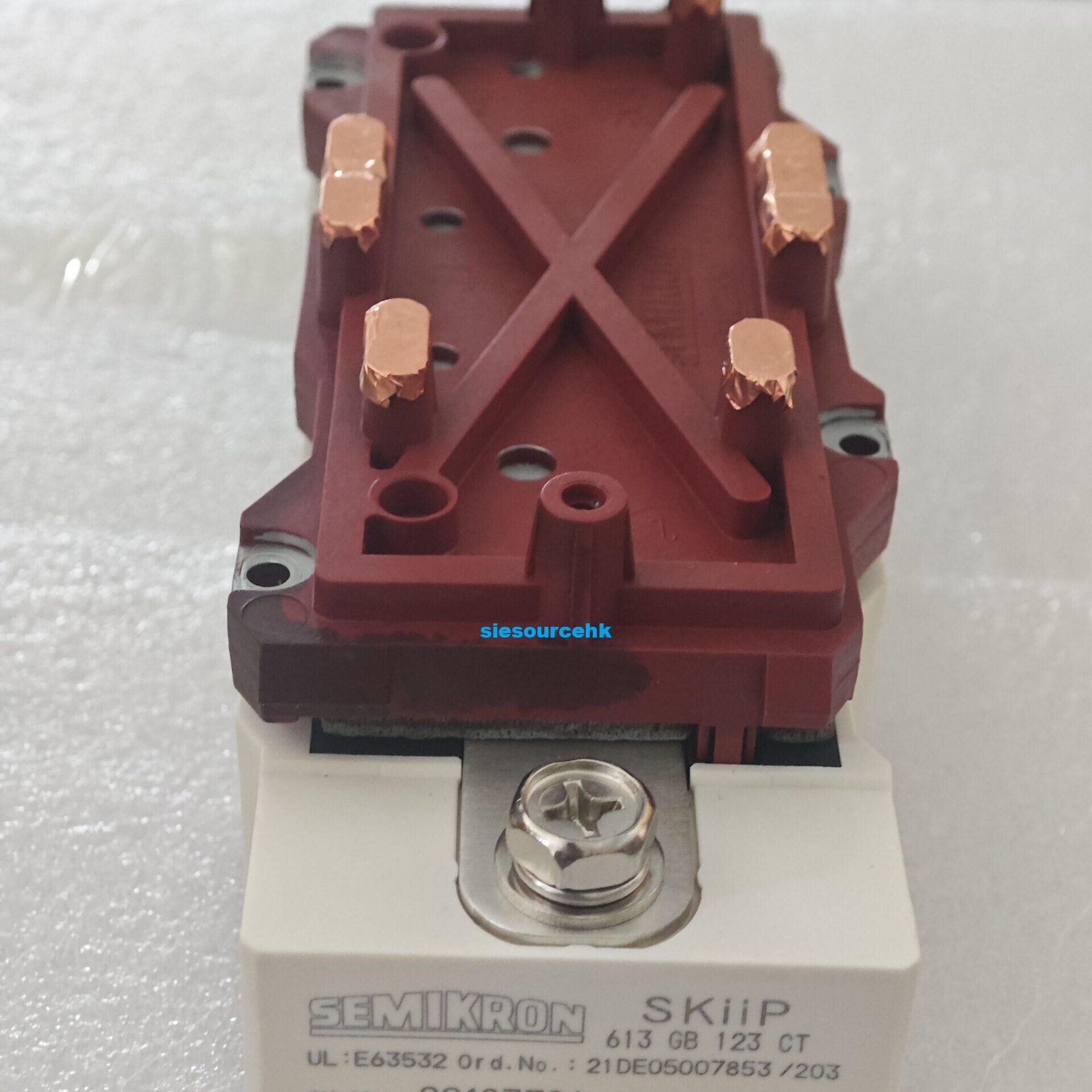
SEMIKRON IGBT Module: Complete Selection Guide for Engineers
In the world of industrial power electronics, selecting the right Insulated Gate Bipolar Transistor (IGBT) module is a balance between efficiency, thermal reliability, and cost-effectiveness. SEMIKRON is a global leader in this sector, and their modules—particularly the SKM (SEMITRANS) and SEMITOP series—serve as the backbone for motor drives, renewable energy inverters, and power supplies.
For an engineer, “selection” is not a simple comparison of peak ratings. It is a systematic evaluation of how a component will perform under 24/7 operational stress. This guide provides a technical roadmap for navigating the SEMIKRON portfolio to ensure your design achieves maximum MTBF (Mean Time Between Failures).
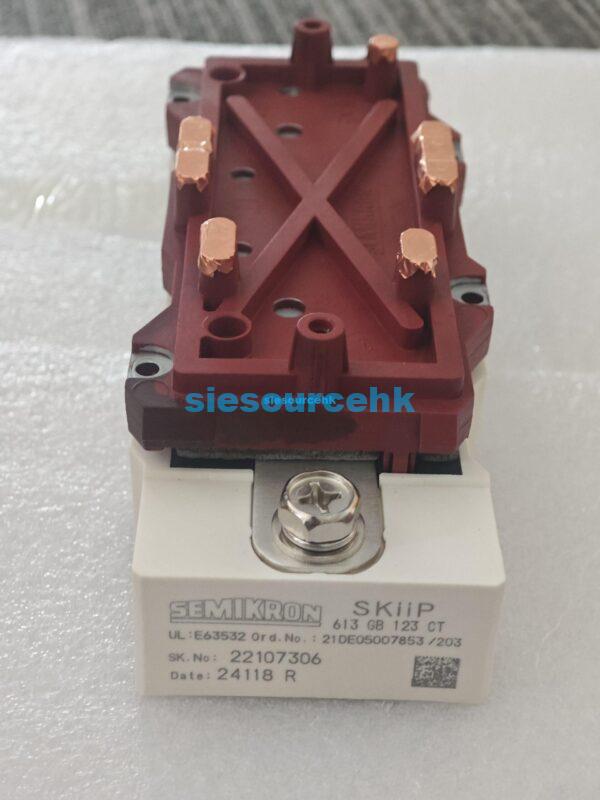
Core Electrical Parameters: Precision Beyond the Basics
To narrow down your selection, you must look past the headline numbers. While voltage and current are the starting points, the subtle electrical characteristics define your system’s efficiency.
1. Voltage Rating (Vces)
Standard practice requires selecting a Vces that provides a 20-30% safety margin over the DC link voltage. This overhead is necessary to absorb inductive voltage spikes during fast switching.
- 600V/650V: Optimized for 230VAC input systems.
- 1200V: The industry standard for 400VAC/480VAC industrial motor drives.
- 1700V: Required for 690VAC applications, high-voltage solar, and wind energy converters.
2. Continuous vs. Pulsed Current (Ic vs. Icrm)
Datasheets define Ic at specific case temperatures (usually 25°C or 80°C). However, the real limiting factor is the junction temperature (Tj). If your application involves heavy-duty cycles—such as elevators or cranes—you must prioritize the Icrm (Repetitive Peak Current) rating to handle startup torque without triggering thermal shutdowns.
3. Saturation Voltage (Vce_sat)
Vce_sat represents conduction losses. For low-frequency applications (below 5 kHz), a lower Vce_sat is essential. For high-frequency designs, you might accept a higher Vce_sat in exchange for lower switching losses (Eon and Eoff).
Navigating SEMIKRON Package Topologies
The physical design of the module dictates how you mount it, cool it, and connect it to your PCB. The SEMIKRON SKM product line is particularly popular because of its robust screw-terminal design.
| Package Series | Mounting Method | Power Range | Industry Application |
| SEMITOP | PCB Solder / Press-fit | 1kW – 40kW | Welding, UPS, Small Drives |
| SEMITRANS (SKM) | Screw Terminal | 10kW – 500kW | Industrial Inverters, Wind |
| SKiiP | Integrated Driver | 50kW – 2MW | Rail, Utility Solar |
| MiniSKiiP | Spring Contact | 1kW – 90kW | General Motor Control |
The SKM (SEMITRANS) series is the “workhorse” of the industrial world. It features a copper baseplate that provides superior thermal cycling capability, which is critical for equipment that undergoes frequent load changes.
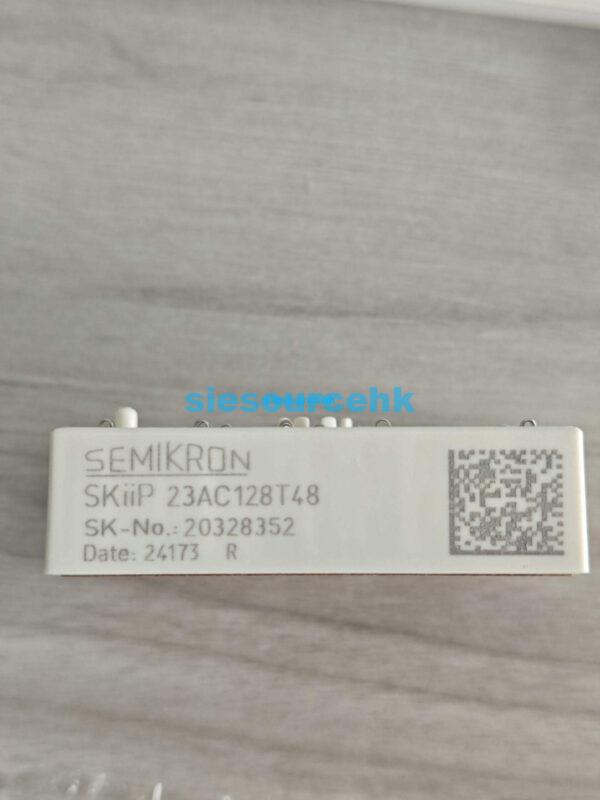
Thermal Management: The Key to Long-Term Stability
Over 60% of power electronic failures are heat-related. When selecting a SEMIKRON module, the Thermal Resistance (Rth) is your most vital calculation variable.
- Junction Temperature Control: Modern SEMIKRON Trench4 chips are rated for a maximum Tj of 175°C. However, for industrial-grade reliability, it is standard to design for a continuous operating temperature below 150°C.
- Thermal Interface Material (TIM): The gap between the module and the heatsink can create thermal bottlenecks. Many SKM modules now offer pre-applied TIM. This ensures a uniform, factory-precise thickness that prevents the “pump-out” effect seen with manual paste application.
- Heatsink Matching: Ensure your heatsink surface flatness is within the module’s specified tolerances (typically < 50µm over 100mm) to prevent mechanical stress on the ceramic substrate during mounting.
Topology Selection Logic
The internal circuit of the module must match your converter architecture. SEMIKRON uses standard codes to help engineers identify these:
- GB (Half-Bridge): Two IGBTs in series. Used in 90% of AC motor control designs.
- GAL (Brake Chopper): Specifically designed to dissipate excess energy into a resistor when a motor decelerates.
- GD (3-Phase Bridge): A “six-pack” configuration that integrates the entire inverter stage into one footprint, saving space in compact drive designs.
Manufacturing and Reliability Considerations
For OEM and project managers, selection also involves supply chain logic. The SKM series is a global standard, meaning it offers high availability. However, when selecting for a long-lifecycle product, consider:
- Chip Generation: Trench4 is currently the most balanced choice for efficiency and cost. Older Trench3 modules may still be available for legacy repairs but should be avoided for new designs.
- Date Codes: For high-reliability sectors, ensure modules have consistent date codes and have been stored in humidity-controlled environments to maintain terminal solderability.
Product Model
| SKM75GB123D | SKM300GB128D | SKM400GB12T4 |
| SKM100GB123D | SKM400GB128D | SKM150GB128DE |
| SKM75GB128D | SKM150GB123D | SKM200GB128DE |
| SKM100GB128D | SKM200GB123D | SKM400GB128DE |
| SKM50GB123D | SKM300GB123D | SKM150GB123DE |
| SKM75GB12T4 | SKM400GB123D | SKM200GB123DE |
| SKM145GB123D | SKM150GB12T4G | SKM300GB123DE |
| SKM150GB128D | SKM200GB12T4 | SKM400GB123DE |
| SKM200GB128D | SKM300GB12T4 |
FAQ
Q: Why choose Trench4 over Trench3 chips in a SEMIKRON module?
A: Trench4 chips offer a higher junction temperature limit (175°C) and better switching performance, leading to smaller heatsink requirements and higher efficiency.
Q: How do I handle altitude derating for IGBTs?
A: At altitudes above 2000m, the air is thinner, reducing both cooling efficiency and dielectric strength. You may need to select a module with a higher voltage rating (e.g., using a 1700V module for a 1200V application) to prevent cosmic-ray-induced failures.
Q: What is the benefit of the SEMIPACK vs. the SEMITRANS?
A: SEMIPACK is typically for diode/thyristor modules, while SEMITRANS (SKM) is the dedicated package for high-speed IGBT switching. They serve different roles in the power conversion chain.
Q: Is it necessary to use a SEMIKRON gate driver with a SEMIKRON module?
A: It is not mandatory, but using a matched driver (like the SKYPER series) ensures that the gate charge (Qg) and short-circuit protection timing are perfectly tuned for that specific silicon.
Q: How do I identify a “genuine” SEMIKRON module?
A: Look for the Data Matrix code on the housing. Genuine modules from authorized channels provide full traceability, ensuring the internal bond wires and silicon meet the datasheet specs.
Reference Sources
- IEC 60747-9: International standard for the testing and characterization of IGBTs.
- SEMIKRON Technical Application Manual: The industry “bible” for mounting and cooling power modules.
- IEEE Power Electronics Transactions: Research on the reliability of copper baseplates in industrial environments.
- ISO 9001:2015: Manufacturing standards for semiconductor quality control.