


Blog
What Is Allen-Bradley PLC? Guide to Industrial Controllers

What Is Allen-Bradley PLC? Complete Guide for Industrial Automation
In the world of industrial automation, the name Allen-Bradley is synonymous with the Programmable Logic Controller (PLC). Owned by Rockwell Automation, Allen-Bradley (AB) has set the global standard for control systems for decades. Whether you are an engineer designing a new assembly line or a plant manager looking to modernize a facility, understanding the AB ecosystem is fundamental to operational success.
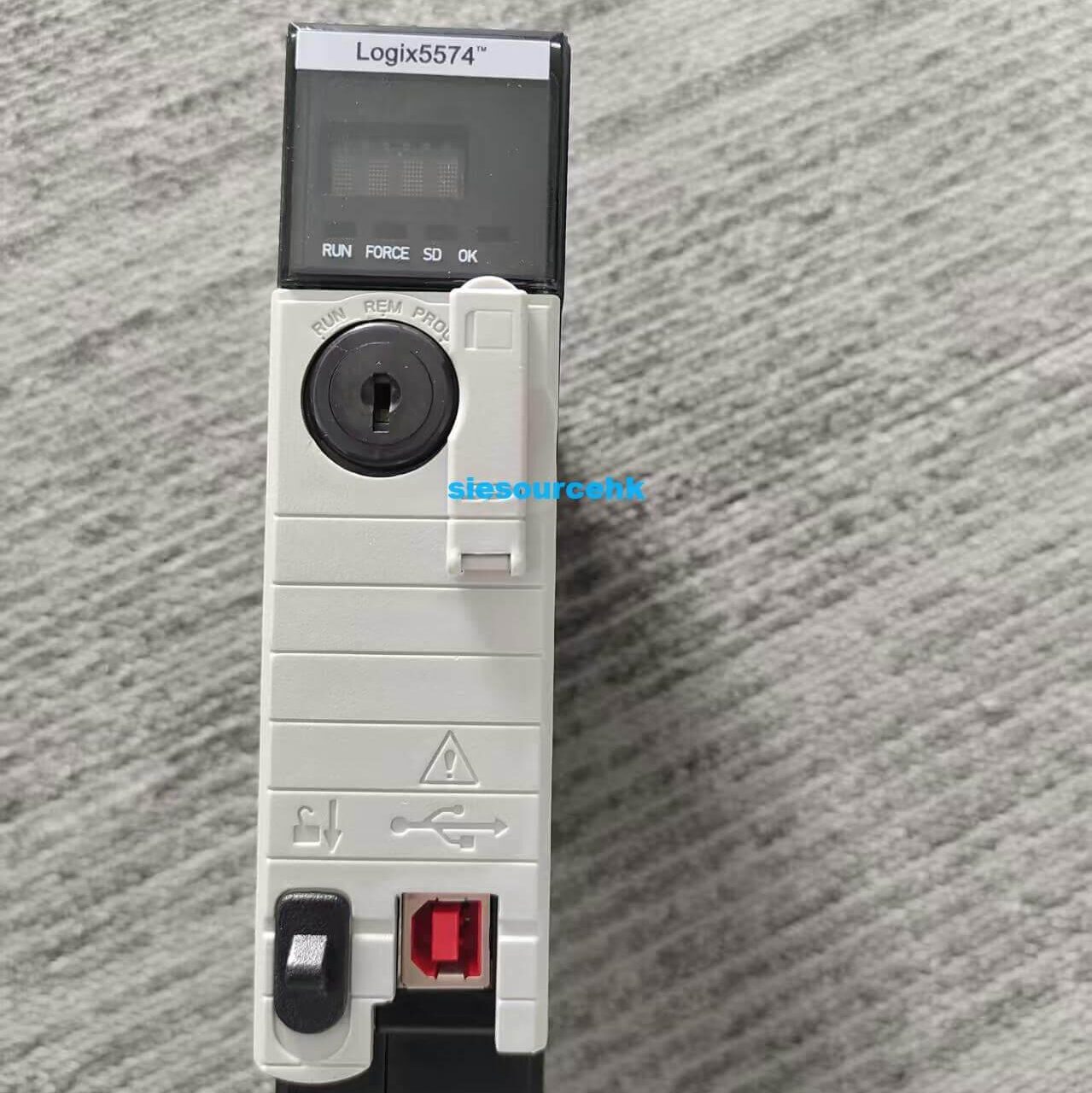
A PLC is essentially the “brain” of a machine. It receives information from connected sensors or input devices, processes that data according to a pre-programmed logic, and triggers outputs to control actuators, motors, or valves. Allen-Bradley controllers are distinguished by their robust build quality, sophisticated communication protocols, and a highly integrated software environment.
The Evolution of Rockwell Automation’s Flagship Brand
The history of Allen-Bradley is inextricably linked to the birth of the PLC itself. While Modicon developed the first PLC, Allen-Bradley refined the technology for mass industrial adoption. Today, the brand covers everything from tiny micro-controllers for simple relay replacement to massive, high-speed controllers capable of managing thousands of I/O points across a global network.
For modern manufacturing, these controllers are no longer isolated boxes. They are nodes within the “Connected Enterprise,” utilizing EtherNet/IP to bridge the gap between the factory floor and enterprise-level IT systems.
Core Architecture: How an Allen-Bradley PLC Operates
Every Allen-Bradley PLC follows a specific operational sequence known as the Scan Cycle. This process happens in milliseconds, ensuring real-time response to industrial events:
- Input Scan: The PLC checks the status of every input device (e.g., a limit switch or a temperature sensor).
- Program Scan: The CPU executes the user-created logic (usually written in Ladder Logic or Structured Text).
- Output Scan: The PLC updates the status of output devices (e.g., starting a motor or turning on a pilot light).
- Housekeeping: The controller performs internal diagnostics and manages communication tasks.
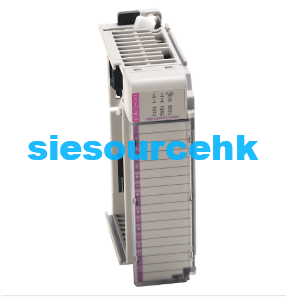
The hardware is typically split between Fixed and Modular designs. Fixed PLCs (like the Micro800 series) have a set number of inputs and outputs built-in. Modular PLCs (like the ControlLogix series) use a chassis or backplane, allowing engineers to plug in specific modules for motion control, safety, or analog signals as the project grows.
The Allen-Bradley PLC Hierarchy: Selecting the Right Tier
Rockwell Automation categorizes its controllers based on the complexity and scale of the application. Understanding these tiers is essential for proper system architecture.
| Controller Family | System Scale | Primary Software | Common Application |
| Micro800 Series | Micro / Standalone | CCW (Connected Components) | Small machines, pumps, conveyors |
| CompactLogix | Small to Mid-range | Studio 5000 Logix Designer | Packaging lines, assembly cells |
| ControlLogix | Large / Plant-wide | Studio 5000 Logix Designer | Oil & gas, automotive, high-speed I/O |
| SLC 500 / PLC-5 | Legacy Systems | RSLogix 500 / RSLogix 5 | Maintenance of older facilities |
1. Micro800 Series (The Entry Point)
Designed for low-cost, standalone applications, the Micro800 series (such as the Micro820 or Micro850) replaces traditional relays and timers. These are often used in skid-based equipment where high-speed synchronized motion is not required but basic Ethernet connectivity is still beneficial.
2. CompactLogix (The Mid-Range Workhorse)
The CompactLogix family (1769 or 5069 series) offers a smaller footprint without sacrificing the power of the “Logix” engine. It is the go-to choice for machine builders who need integrated safety and high-performance motion control (Integrated Architecture) without the cost of a full-scale chassis-based system.
3. ControlLogix (The Enterprise Powerhouse)
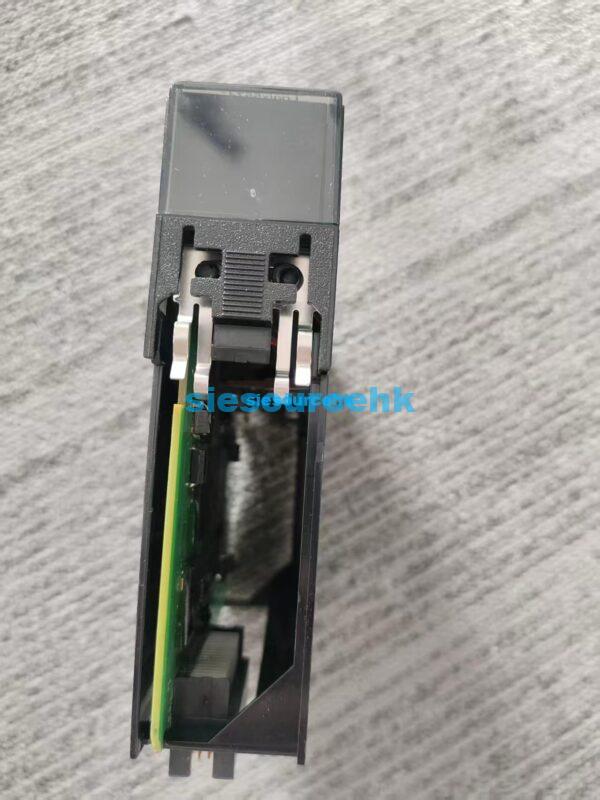
The 1756 ControlLogix system is the premier choice for demanding industrial environments. It utilizes a modular chassis design, allowing for multiple CPUs in a single rack, extreme I/O density, and seamless integration with plant-wide SCADA systems. It is built for 24/7 reliability in mission-critical applications like chemical processing or automotive manufacturing.
Programming Environments: Studio 5000 vs. CCW
A PLC is only as effective as the logic it runs. Allen-Bradley utilizes two primary software environments:
- Studio 5000 Logix Designer: This is the industry standard for the CompactLogix and ControlLogix families. It supports four languages defined by IEC 61131-3: Ladder Diagram (LD), Structured Text (ST), Function Block Diagram (FBD), and Sequential Function Chart (SFC). Its primary advantage is the “Tag-Based” messaging system, which makes it easier for engineers to name data points intuitively rather than memorizing memory addresses.
- Connected Components Workbench (CCW): This software is used for the Micro800 series. It is designed to be user-friendly for those transitioning from simple hardware logic to programmable controllers, offering a simplified interface for configuration and programming.
Industrial Networking: The Role of EtherNet/IP
One of the greatest strengths of the Allen-Bradley ecosystem is its reliance on EtherNet/IP (Industrial Protocol). Unlike standard office Ethernet, EtherNet/IP is designed to handle the “jitter” and timing requirements of high-speed automation.
By using a common network infrastructure, an Allen-Bradley PLC can communicate simultaneously with an HMI (Human Machine Interface), a Variable Frequency Drive (VFD), and a cloud-based analytics platform. This transparency is what enables “smart manufacturing” and predictive maintenance strategies.
Technical Considerations for System Design
When evaluating Allen-Bradley hardware for a specific project, engineers must consider several real-world constraints:
- Environmental Ratings: While PLCs are built for factories, extreme temperatures or corrosive environments may require specific enclosures or “conformal coating” on the internal circuit boards to prevent premature failure.
- I/O Response Time: For high-speed packaging or ballistics testing, the “update rate” of the I/O modules becomes critical. The 5069 CompactLogix series, for example, offers significantly faster backplane speeds than its predecessors.
- Safety Integration: Modern “GuardLogix” controllers include dedicated safety processors. This allows safety functions (like E-stops and light curtains) to run on the same hardware as the standard control logic, reducing wiring complexity and improving diagnostic capabilities.
Navigating the Ecosystem
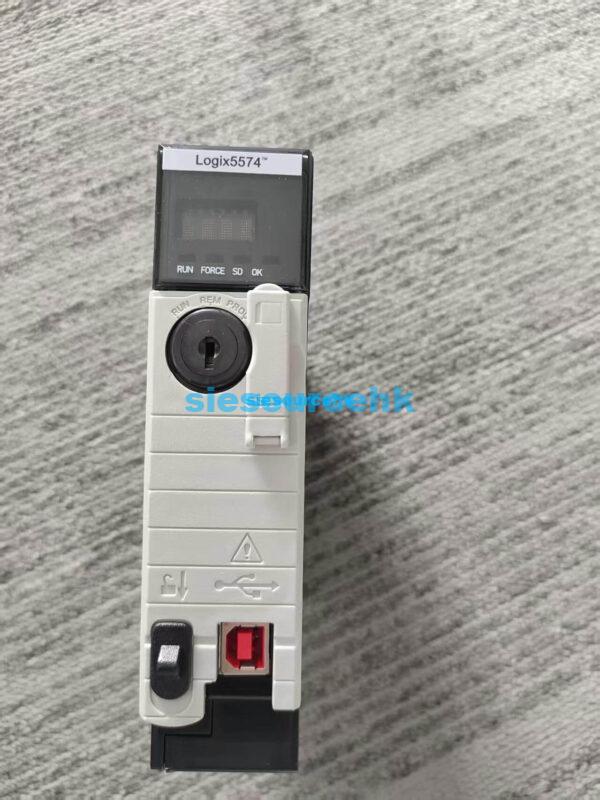
For professionals seeking to implement these systems, the choice of hardware depends entirely on the required I/O count, memory capacity, and future scalability. High-density manufacturing environments typically gravitate toward the modularity of the Allen-Bradley Programmable Logic Controllers found in the Logix family, which allow for easy hardware swaps and system expansions without redesigning the entire control cabinet.
Selecting the right controller is a balance between current functional requirements and the “total cost of ownership,” which includes the ease of finding spare parts and the availability of trained technicians who understand the Rockwell software environment.
FAQ
Q: Can I program an Allen-Bradley PLC with a standard laptop?
A: Yes, provided you have the correct software (Studio 5000 or CCW) and a communication cable (usually USB or Ethernet). Some older legacy models require specific serial converters.
Q: What is the difference between RSLogix 500 and Studio 5000?
A: RSLogix 500 is used for older, address-based controllers like the SLC 500 and MicroLogix. Studio 5000 is the modern, tag-based environment used for the current Logix 5000 family of controllers.
Q: Are Allen-Bradley PLCs compatible with other brands?
A: Yes. While they work best within the Rockwell ecosystem, they can communicate with third-party devices (like Siemens VFDs or Modbus sensors) using gateways or standard industrial protocols like EtherNet/IP, Modbus TCP, or OPC-UA.
Q: What does “Conformal Coating” mean for an AB PLC?
A: This is an optional protective chemical coating applied to the internal electronic circuitry. It protects the PLC from moisture, dust, and chemical contaminants common in harsh industries like wastewater treatment or paper mills.
Q: How do I determine which PLC I need for my application?
A: Start by counting your digital and analog inputs/outputs. Then, determine if you need motion control (servos) or integrated safety. For standalone machines, a Micro800 or CompactLogix is usually sufficient. For plant-wide control, look toward the ControlLogix series.
Reference Sources
- \Rockwell Automation Technical Documentation: Literature Library
- IEEE Xplore: Research on Industrial Ethernet and PLC performance
- ODVA (Open DeviceNet Vendors Association): Specifications for EtherNet/IP Standards
- International Electrotechnical Commission (IEC): IEC 61131-3 Standard for PLC programming languages.