



Blog
SMC CP96SDB Series Guide: ISO 15552 Cylinder Specs & Sourcing

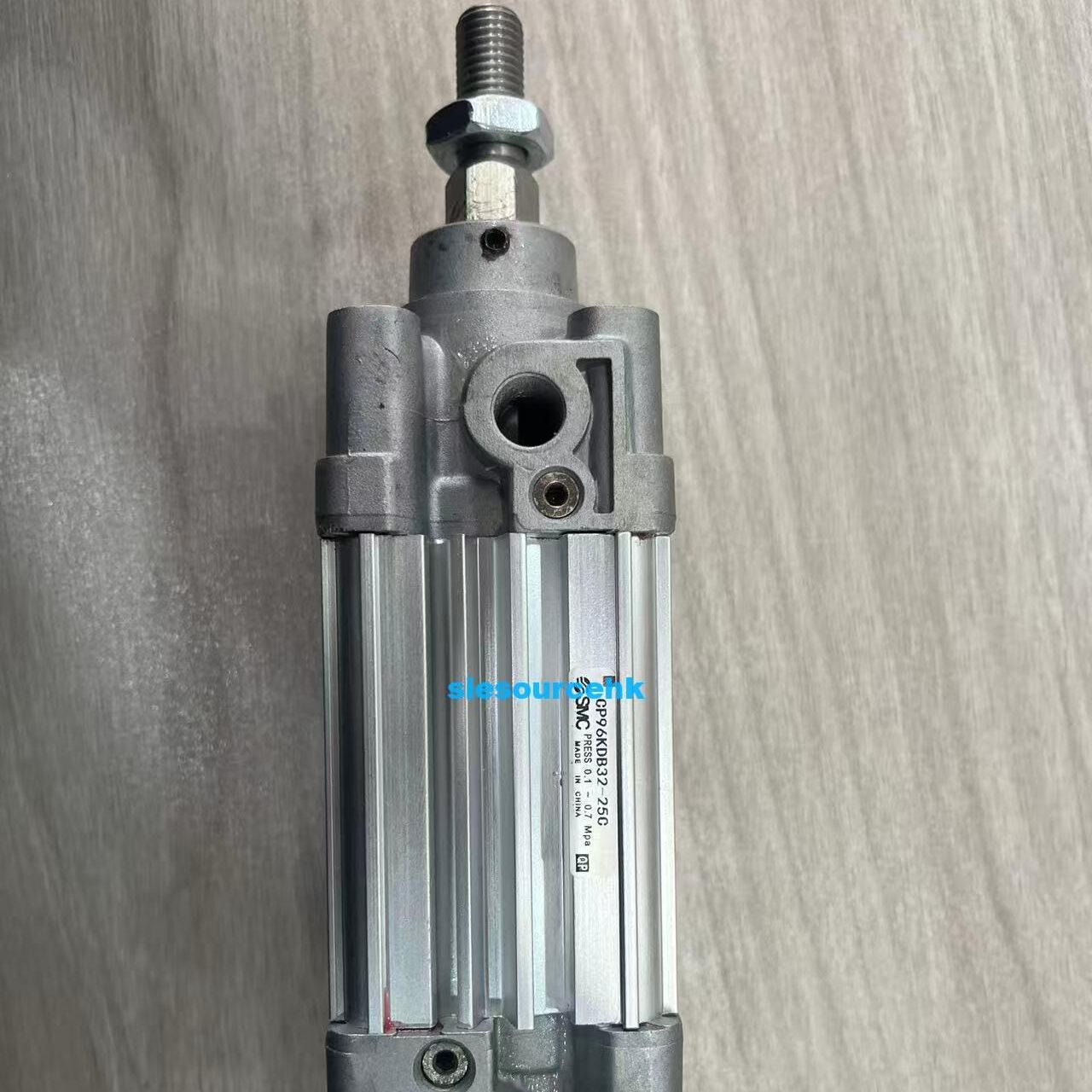
Standardization remains the backbone of modern industrial automation. For engineers and procurement managers tasked with maintaining high-speed production lines or designing new machinery, the pneumatic cylinder is often the primary point of motion. Within the global ecosystem of actuators, the SMC CP96SDB Series stands out as a high-performance, ISO 15552-compliant profile cylinder designed for versatility and reliability.
Selecting the right pneumatic component goes beyond matching bore sizes. It requires an understanding of stroke precision, cushioning technology, and the logistical advantages of working with specialized distributors like Siesource. This guide provides a technical deep dive into the CP96SDB series to assist in both engineering specification and commercial procurement.
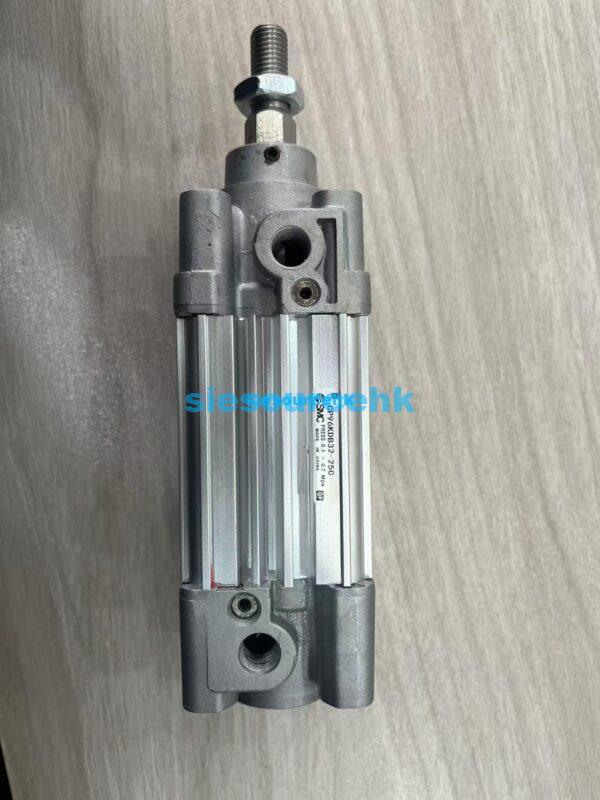
Understanding the SMC CP96SDB Series Architecture
The “CP96” designation refers to SMC’s premium line of ISO 15552 compliant cylinders. The “SDB” suffix is particularly critical for design engineers. It denotes a double-acting, single-rod cylinder with a profile-type body. Unlike traditional tie-rod cylinders where the rods are exposed, the profile design of the CP96SDB encloses the tie rods within the aluminum extrusion.
This architecture serves two primary purposes:
- Hygiene and Maintenance: The smooth exterior prevents the accumulation of dust, debris, and liquids, making it ideal for food packaging or pharmaceutical environments.
- Sensor Integration: The profile includes integrated grooves on all four sides, allowing auto-switches (sensors) to be mounted flush against the body, reducing the overall footprint and protecting the sensors from mechanical impact.
Technical Specifications and Performance Limits
When evaluating the SMC CP96SDB Series for a project, the following technical parameters define the boundary conditions of its application:
| Feature | Specification Detail |
| Bore Sizes (mm) | 32, 40, 50, 63, 80, 100, 125 |
| Standard Striking Range | Up to 2000mm (depending on bore size) |
| Fluid | Compressed Air |
| Proof Pressure | 1.5 MPa |
| Maximum Operating Pressure | 1.0 MPa |
| Minimum Operating Pressure | 0.05 MPa |
| Ambient & Fluid Temperature | -10° to 60°C (No freezing) |
| Lubrication | Not required (Non-lube) |
| Cushioning | Air cushion + Bumper cushion (Double cushioning) |
The inclusion of “Double Cushioning” is a significant engineering advantage. By combining the adjustable air cushion with a mechanical bumper, the CP96SDB reduces the impact noise and vibration at the end of the stroke. This extends the service life of the cylinder and the surrounding machine frame, especially in high-cycle applications.
Material Science and Component Durability
The longevity of a pneumatic cylinder is determined by its seal chemistry and rod plating. The SMC CP96SDB Series utilizes a high-grade aluminum alloy for the head and foot covers, which are die-cast for precision.
- Piston Rod: Standard models feature carbon steel with hard chrome plating, providing excellent wear resistance and a low friction coefficient. For highly corrosive environments, stainless steel rod options are often available through specialized suppliers.
- Seal Technology: SMC employs advanced nitrile rubber (NBR) or fluororubber (FKM) seals depending on the thermal requirements. The unique seal shape reduces “breakaway” pressure, ensuring smooth motion even after a period of machine downtime.
Why ISO 15552 Compliance Matters for Global OEMs
For manufacturers exporting machinery to Europe, North America, or Asia, the CP96SDB’s adherence to ISO 15552 is a commercial necessity. This international standard ensures that the cylinder’s mounting dimensions—such as pivot brackets, flanges, and rod ends—are interchangeable with other major brands like Festo or Parker.
This interchangeability minimizes the risk of production downtime. If a cylinder fails in a remote location, the end-user can source a replacement locally that fits the existing mechanical footprint, regardless of the original brand.
Application Logic: Where to Deploy the CP96SDB
The CP96SDB is not a “one-size-fits-all” component, but its robust design makes it suitable for several high-demand sectors:
- Automotive Body Shops: Used in clamping and positioning jigs where weld spatter and dust are prevalent. The profile design prevents debris from interfering with the sensors.
- Material Handling: The 125mm bore size variants provide the high force required for heavy palletizing and sorting systems.
- Packaging Machinery: The aesthetic and cleanable profile is preferred for secondary packaging lines in the FMCG sector.
- Specialty Woodworking: In environments with high sawdust concentrations, the enclosed tie rods prevent rod binding and seal premature wear.
Procurement and Supplier Selection Strategy
Sourcing industrial automation components involves more than finding the lowest price. For the SMC CP96SDB Series, procurement managers must evaluate suppliers based on technical support and stock availability.
Organizations like Siesource provide a strategic advantage by maintaining a digital catalog of specific CP96SDB configurations. When evaluating a supplier, consider the following:
- Configuration Support: Pneumatic cylinders are often customized by stroke length. A supplier should be able to navigate the complex SMC part numbering system (e.g., CP96SDB50-100C) to ensure the correct bore, stroke, and mounting options are delivered.
- Ancillary Components: A cylinder is useless without the correct fittings, speed controllers, and auto-switches. Sourcing from a distributor that understands the SMC ecosystem ensures that your D-M9N or D-A93 sensors are compatible with the integrated grooves of the SDB profile.
- Lead Time Transparency: In the post-pandemic supply chain, “in-stock” status is a primary value driver. Reliable suppliers provide real-time updates on factory lead times for non-standard stroke lengths.
Installation and Maintenance Best Practices
To maximize the ROI of an SMC CP96SDB investment, technical teams should adhere to specific installation protocols:
- Air Quality: Ensure the compressed air is filtered to at least 5 microns. Water or oil aerosol contamination is the leading cause of seal failure in ISO cylinders.
- Alignment: Side loading is the “silent killer” of pneumatic actuators. Use alignment couplers (floating joints) if the cylinder is driving a load that may have slight mechanical misalignment.
- Cushion Adjustment: Do not fully close the cushion valves. Start with them partially open and adjust inward until the piston reaches the end of the stroke without a metallic “clack” but without excessive bounce.
Available SMC CP96SDB Models and Specifications
| CP96SDB63-50C | CP96SDB 32-25C | CP96SDB32-50C | C96SDB32-50C |
|---|---|---|---|
| CP96SDB32-60C | CP96SDB32-80C | CP96SDB32-100C | C96SDB40-100C |
| C96SDB32-80C | CP96SDB32-150C | CP96SDB40-50C | CP96SDB40-100C |
| CP96SDP32-160C | CP96SDB32-200C | CP96SDB32-250C | CP96SDL32-80C |
| C96SDB40-400C | CP96SDP32-250C | C96SDB63-50C | CP96SDB50-30C |
| CP96SDB50-50C | CP96SDB32-250 | C96SB63-40 | CP96SDB50-100C |
| CP96SDB40-320C | CP96SDB32-30CW-XC4 | CP96SDB50-80C | C96SDB63-80C |
| CP96SDB40-300C | C96SDB63-250C | CP96SDL40-400C | CP96SDL50-160C |
| CP96SB50-160C | CP96SDB40-350C | CP96SDB50-200C | CP96SDB32-500C |
| CP96SDB32-850C | CP96SDB63-100C-XC35 | CP96SDB80‑50 | CP96SDB63-180C |
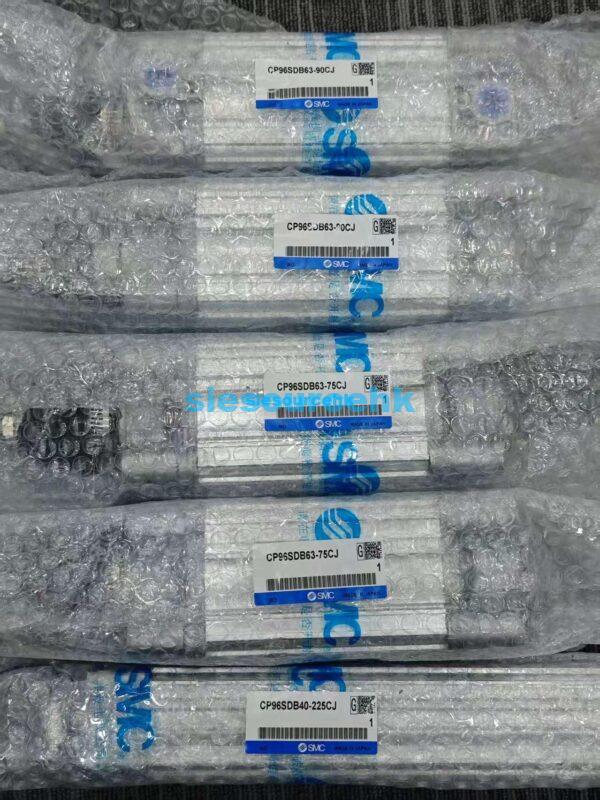
| CP96SDD63-50CJ-M9PW | CP96SDB40-225CJ | CP96SDB63-75CJ | C96SDB50-350C |
| CP96SDB32-980C | CP96SD850-320C | CP96SDD50-500C | CP96SDB80-50 |
| CP96SDB50-320C | CP96SDB63-250 | CP96SDB63-90CJ | CP96SDB50-400C |
| CP96SDB40-800C | CP96KDB40-250CW | CP96SDB80‑320 | C96KDB63-200C |
| CP96SDB100-80C | CP96SDB80-300C | C96SC80-350C | CP96SDB50-920W |
| CP96SDB80-350C-XC4 | CP96SDB80-320 | CP96SDD80-500C | CP96SDB50-920CW |
| CP96SDB63-900C | CP96SDB100-500C | CP96SDB50-1300C | CP96SDB125-50 |
| CP96SDB125-200 | C96SDF125-400 | CP96SDB125-320 | CP96NDB50-50C |
| CP96SDB100-1000C | CP96SDB 100-1350C-XC4 | CP96SDB100-1660C-XC4 | CP96SDB32-100 |
| CP96SDB32-25C | CP96SDB 40-75C | EVC968 | CP96SDB 40-125C |
| CP96SDB50-40C | CP96SDB 63-15C | CP96SDB 50-125C | C96SDB50-80CJ |
| C96SDB50-160CJ | CP96SDB 50-150C | CP96SDB 63-50C | CP96SDB50-160C |
| C96SDB63-80CJ | CP96SDB63-50C-M9BW | CP96SDB63-125C | AMC96L-AI/MC(II) |
| C96SDB50-160C | AMC96L-E4/KC | CP96SDB63-250C | CP96KDB32-25C |
| CP96SDL50-500C | CP96SDB80-500C | CP96SDB63-320C | CP96SDB63-200 |
| C96SDB80-160C | CP96SDB80-200 | CP96SDB50-160CW-COY0324Y | C96SDD80-320C |
| SM18FXC968 | C96SDF125-40 | CP96SDB80-50C | C96SDB125-650 |
Conclusion
The SMC CP96SDB Series represents a mature, refined evolution of the ISO 15552 cylinder. Its profile design, dual-cushioning system, and flush-mount sensor capabilities make it a preferred choice for engineers who prioritize machine uptime and clean design. By partnering with technically proficient suppliers and adhering to rigorous installation standards, manufacturers can ensure their automation systems remain competitive and reliable on a global scale.
FAQ
Q1: What is the difference between SMC C96 and CP96SDB?
The C96 is often a tie-rod design, whereas the CP96SDB is a profile-body design. The “SDB” specifically indicates the profile extrusion which allows for flush-mounted sensors and easier cleaning compared to the exposed tie-rods of the standard C96.
Q2: Can I use the CP96SDB in high-temperature environments?
The standard CP96SDB is rated for up to 60°C. For applications exceeding this, you must specify heat-resistant seal options (often suffix -XB6), which can extend the range up to 150°C, though this usually requires a special order.
Q3: Are the sensors for the CP96SDB different from other SMC cylinders?
The CP96SDB uses standard SMC auto-switches like the D-M9 series. Because it is a profile cylinder, these sensors slide into the integrated grooves on the cylinder body, requiring no additional mounting brackets.
Q4: Is the SMC CP96SDB drop-in compatible with other brands?
Yes, because it adheres to the ISO 15552 standard (which succeeded ISO 6431), it shares the same mounting dimensions as other compliant cylinders, making it a universal choice for MRO (Maintenance, Repair, and Operations).
Q5: What is the typical lead time for custom stroke lengths?
Standard strokes (e.g., 50mm, 100mm, 200mm) are often stocked by distributors like Siesource. Custom stroke lengths typically require 2-4 weeks depending on the factory’s current workload and regional logistics.
Reference Sources:
- ISO 15552:2018 – Pneumatic fluid power — Cylinders with detachable mountings.
- SMC Corporation of America Technical Documentation – CP96 Series Catalog.
- Industrial Automation Manufacturers Association (IAMA) Guidelines on Actuator Selection.