



Blog
Rexroth R900 Directional Spool Valve Sourcing & Replacement Guide

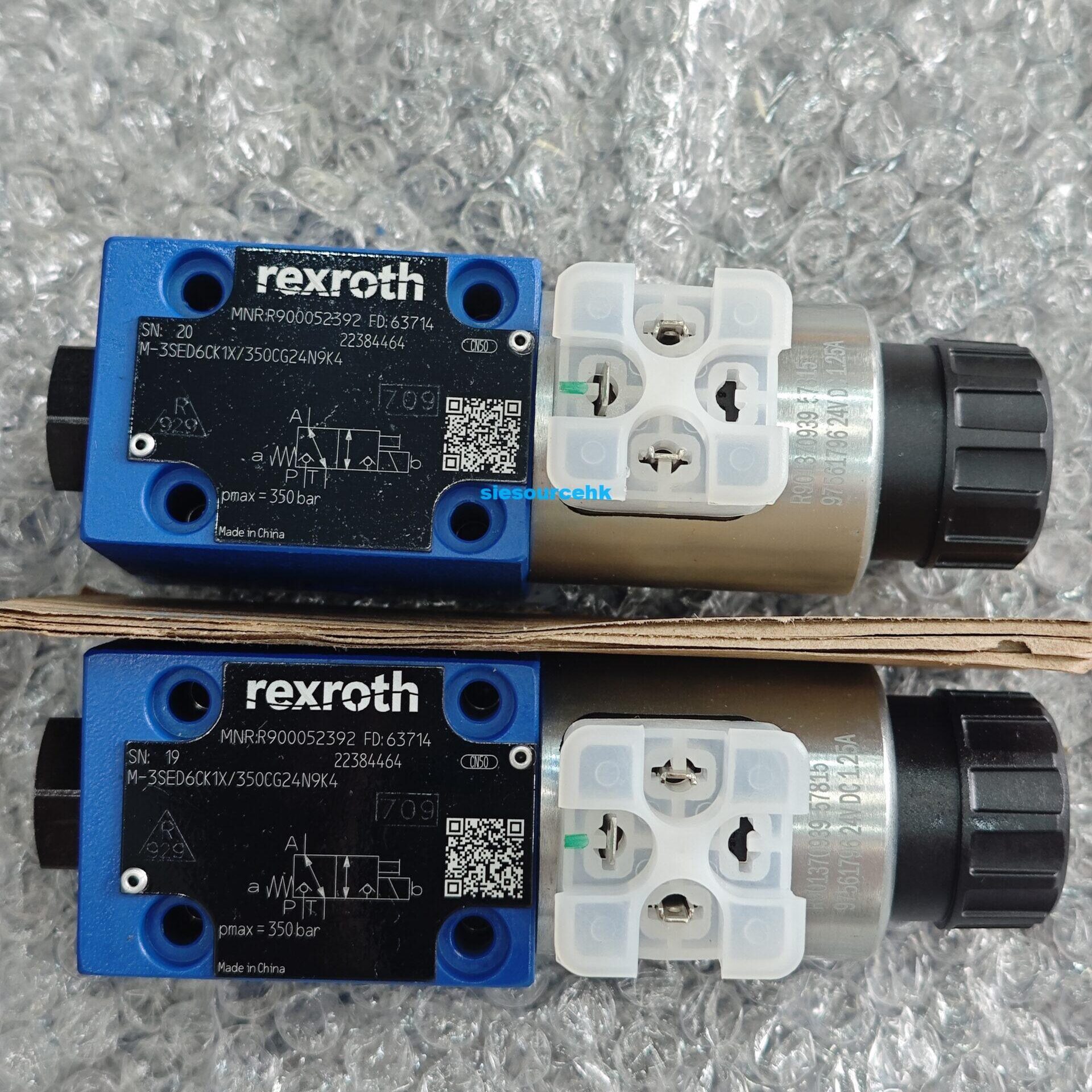
Identifying the correct Rexroth R900 directional spool valve is often the difference between a ten-minute repair and a week of costly machine downtime. In the world of industrial hydraulics, the “R900” prefix is more than just a part number; it is the gateway to Bosch Rexroth’s vast material numbering system. Whether you are maintaining a legacy plastic injection molding machine or optimizing a high-pressure steel mill circuit, understanding the nuances of these components is critical for any maintenance engineer or procurement specialist.
When a hydraulic system fails, the pressure to find an immediate replacement often leads to hasty decisions. However, Rexroth’s directional valves are engineered with precise tolerances and specific spool configurations that cannot be guessed. A mismatch in the internal spool symbols or the solenoid voltage can lead to catastrophic circuit failure or unintended actuator movement.
Understanding the Rexroth R900 Material Numbering Logic
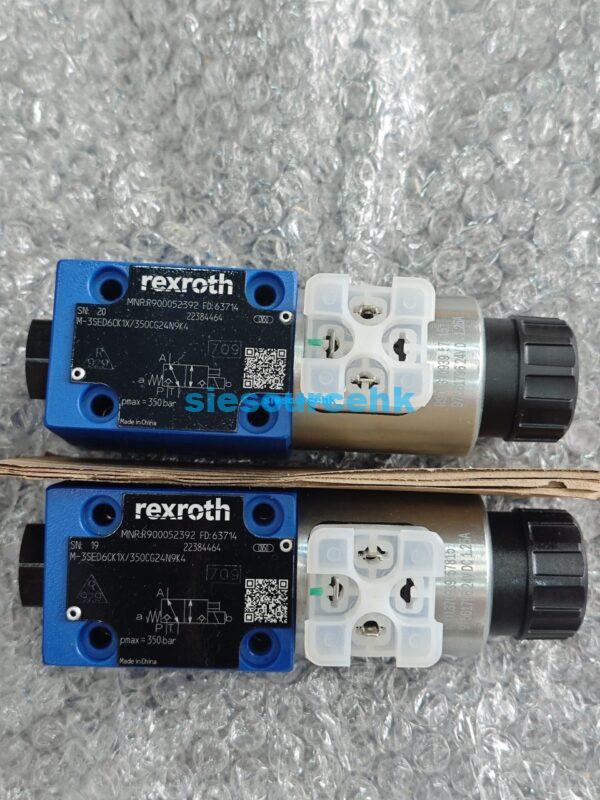
To a procurement manager, “R900” looks like a product series. To an engineer, it represents a specific technical configuration. Bosch Rexroth utilizes a 10-digit material number starting with R900 (e.g., R900561274) to identify a unique combination of valve size, spool type, return spring mechanism, and electronic interface.
The R900 designation typically covers the most common directional spool valves in the industry, including the WE6 (Size 6) and WE10 (Size 10) series. These are solenoid-operated valves designed to control the start, stop, and direction of fluid flow.
Key Technical Parameters to Verify Before Sourcing:
- Spool Symbols: Are you dealing with an E, J, G, or H spool? Each dictates the flow path in the de-energized position.
- Operating Pressure: Most R900 series valves are rated up to 315 bar or 350 bar.
- Voltage Requirements: 24VDC is the industrial standard, but legacy systems may require 110VAC or 230VAC.
- Electrical Connection: Standard DIN 43650 connectors are common, but M12 or central connections exist in newer smart-hydraulic setups.
Critical Considerations for Hydraulic Valve Replacement
When replacing an R900 directional spool valve, the physical footprint is rarely the problem—standardization via ISO 4401 ensures the mounting pattern is consistent. The challenge lies in the “invisible” specifications.
1. Wet-Pin Solenoid Design
Modern Rexroth R900 valves utilize wet-pin AC or DC solenoids. These solenoids are pressure-tight, meaning the core tube is filled with hydraulic oil. This design provides superior heat dissipation and lubricates the moving plunger, significantly extending the valve’s cycle life compared to dry-pin alternatives. When sourcing a replacement, ensuring the solenoid design matches the original duty cycle is paramount for longevity.
2. Spool Shifting Characteristics
Not all “Directional Control” is equal. Some R900 valves are designed for “heavy-duty” cycles with damped shifting to reduce hydraulic shock (water hammer) in the system. If you replace a damped valve with a standard high-speed valve, you risk damaging the pipework or the hydraulic cylinder seals due to abrupt pressure spikes.
3. Environmental Seals
For valves located in harsh environments—such as mobile machinery or chemical processing—the seal material (NBR vs. FKM/Viton) must be matched to the hydraulic fluid and the ambient temperature. An R900 valve with NBR seals will fail prematurely if used with phosphate ester fire-resistant fluids.
Evaluating a Rexroth R900 Directional Spool Valve Supplier
In a globalized market, sourcing hydraulic components requires a balance between lead time and technical verification. A reliable supplier does more than just move boxes; they act as a technical gatekeeper.
What to look for in a B2B Supplier:
| Criteria | Why it Matters |
| Inventory Depth | Specific R900 numbers are often discontinued. A supplier with deep stock can provide the exact material number or a verified direct successor. |
| Technical Documentation | The supplier should provide original data sheets to confirm that the spool configuration matches your circuit diagram. |
| Material Traceability | Especially in the aerospace and automotive sectors, knowing the origin of the valve ensures it meets the required metallurgical standards. |
| Cross-Referencing Expertise | Can the supplier identify a replacement for an obsolete R900 number from the 1990s? This expertise is invaluable for MRO operations. |
For organizations managing large-scale operations, platforms like Siesource HK provide a specialized search interface for the Rexroth R900 series. By focusing on the specific material numbers, they eliminate the ambiguity often found on general industrial marketplaces. This level of specificity is essential when a project requires exact OEM-spec replacements to maintain machine warranty or safety certifications.
The Role of Directional Spool Valves in Industrial Automation
Directional spool valves are the “logic gates” of the hydraulic world. In automated production lines, the Rexroth R900 series provides the reliability needed for millions of cycles. Because these valves are often integrated with PLCs (Programmable Logic Controllers), the response time and power consumption of the solenoid must remain within tight tolerances.
In high-speed sorting or packaging machinery, a delay of even 20 milliseconds in a spool shift can desynchronize an entire conveyor system. This is why engineers prefer Rexroth’s precision-ground spools; they offer minimal internal leakage, ensuring that the actuator stays in position even under load.
Procurement Strategy: Stocking vs. Just-in-Time
For OEM project managers, the decision to stock R900 valves versus relying on Just-in-Time (JIT) delivery depends on the “Criticality vs. Cost” matrix.
- Critical Components: If an R900 valve controls a primary press or a safety-critical brake system, maintaining a “Safety Stock” of 10% of the installed base is recommended.
- Standard Components: For common WE6 or WE10 valves, finding a supplier with a robust digital inventory and global shipping capabilities (like Siesource) allows for a leaner inventory model.
When requesting a quote (RFQ), always include the full material number found on the valve nameplate. If the nameplate is painted over or missing, a photo of the valve and the mounting manifold can help a technical supplier identify the correct replacement based on the ISO mounting size.
Future-Proofing Your Hydraulic Systems
As Industry 4.0 matures, we are seeing the R900 series evolve. Newer versions often include integrated sensors for position monitoring (spool position monitoring) to meet safety standards like ISO 13849. When sourcing replacements for older machines, it is worth consulting with your supplier to see if a modern R900 variant with diagnostic capabilities can be retrofitted. This not only replaces a broken part but upgrades the machine’s safety and diagnostic profile.
Ultimately, sourcing a Rexroth R900 directional spool valve is about precision. By focusing on the material number, verifying the spool logic, and partnering with a supplier that understands the technical depth of Bosch Rexroth’s catalog, you ensure the continued efficiency and safety of your hydraulic operations.
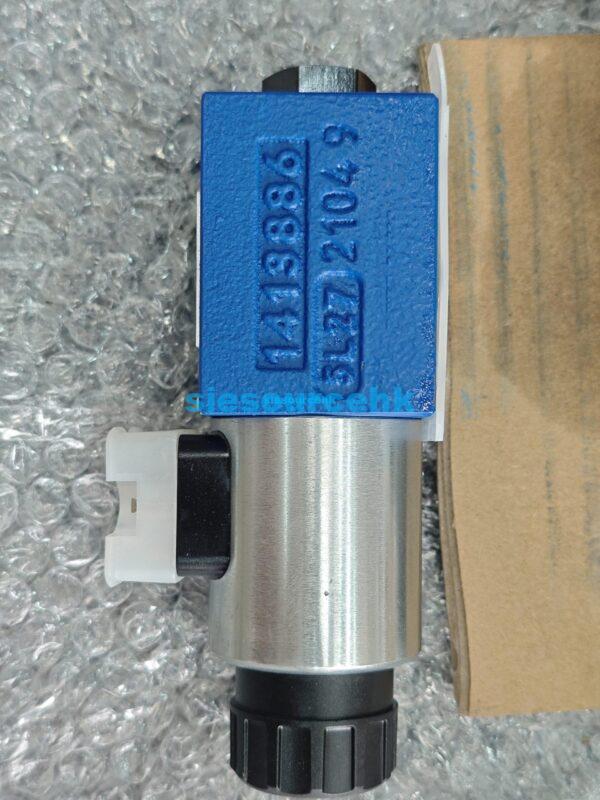
Available Rexroth R900 Directional Spool Valve Models and Specifications
| model | model | model |
|---|---|---|
| R900912492 | R900915672 | R901278744 |
| R901236404 | R901494253 | R900347498 |
| R900407394 | R900409958 | R900912573 |
| R900912619 | R900912771 | R901102365 |
| R900912531 | R900912572 | R901029970 |
| R900483788 | R900954092 | R900546257 |
| R900909559 | R900599380 | R901008688 |
| R901008688 | R901036556 | R900071030 |
| R900561272 | R900323180 | R900969073 |
| R900969092 | R901022978 | R900911572 |
| R900410849 | R900481624 | R900483787 |
| R901086077 | R901086081 | R901086090 |
| R901086070 | R901017026 | R900561274 |
| R901401552 |
FAQ
Q1: What is the difference between a Rexroth WE6 and a WE10 valve?
A: The primary difference is the size and flow capacity. The WE6 is a Size 6 valve (up to 60-80 L/min), while the WE10 is a Size 10 valve (up to 120-150 L/min). Both use the R900 material number prefix, but they require different mounting manifolds.
Q2: Can I replace a 110VAC solenoid with a 24VDC solenoid on the same R900 valve body?
A: Generally, yes, provided the solenoid tube is compatible. However, you must also update the electrical supply and the PLC output module. It is usually more cost-effective to replace the entire valve assembly to ensure the solenoid and spool spring are correctly balanced.
Q3: How do I identify a spool type if the label is missing?
A: Without a label, you must refer to the hydraulic circuit diagram of the machine. The diagram will show the symbol (e.g., all ports blocked in center, or P-to-T connected). Replacing a valve with the wrong spool can cause a machine to “creep” or create a dangerous over-pressure situation.
Q4: What is the typical lead time for a Rexroth R900 valve?
A: For standard configurations (like the R900561274), many specialized suppliers maintain stock for immediate dispatch. Custom configurations or high-flow models may have lead times ranging from 2 to 8 weeks depending on factory production cycles.
Q5: Are these valves compatible with water-glycol fluids?
A: Most standard R900 valves are designed for mineral oils (HL, HLP). If using water-glycol (HFC), you must specify a version with special seals and potentially different internal coatings to prevent corrosion.
Reference Sources
- Bosch Rexroth AG. “Solenoid Operated Directional Spool Valves, Direct Operated, Type WE.” Technical Data Sheet RC 23178.
- International Organization for Standardization. “ISO 4401: Hydraulic fluid power — Four-port directional control valves — Mounting surfaces.” ISO.org.
- National Fluid Power Association (NFPA). “Recommended Standards for Hydraulic Components.” NFPA.com.
- Siesource HK. “Rexroth R900 Series Product Inventory and Technical Specifications.” siesourcehk.com.