



Blog
What Is SanRex DFA150AA160 IGBT Module? Full Specs & Use Cases


What Is the SanRex DFA150AA160 Fast Recovery Diode Module?
In high-power industrial electronics, selecting the proper input rectification module is paramount for system efficiency and thermal stability. Field engineers and B2B procurement managers frequently search catalog lists for the SanRex IGBT Module DFA150AA160. While procurement documents often classify this part under “IGBT companion modules” or simply “IGBT rectifiers” due to its ubiquitous association with high-frequency IGBT inverter drives, it is technically a high-performance 3-Phase Fast Recovery Diode (FRD) Bridge Rectifier Module.
Manufactured by Sansha Electric Manufacturing Co., Ltd. (SanRex), this unit is engineered for heavy-duty industrial environments where speed, durability, and electrical isolation are strictly demanded. Rated at an impressive forward current of 150A and a peak repetitive reverse voltage of 1600V, the module acts as the rugged gateway for incoming utility power before it enters the high-frequency switching stages of modern motor drives and power converters.
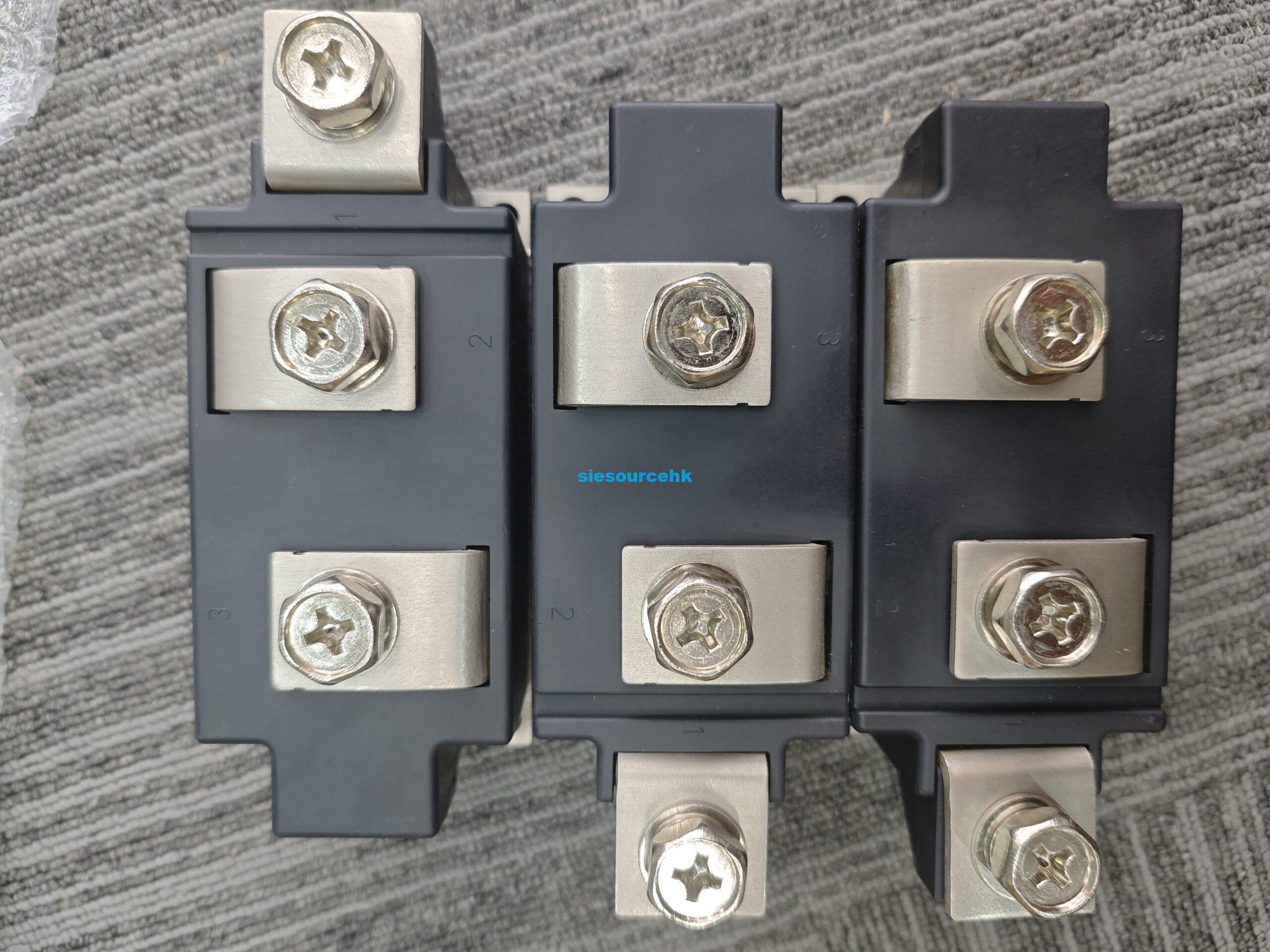
SanRex DFA150AA160 Technical Specs: Maximize Power Efficiency
The SanRex DFA150AA160 is designed using premium glass-passivated diode chips. This specific metallurgical structure ensures a highly stable forward voltage drop and superior durability under high repetitive surge conditions. Let us examine the fundamental engineering parameters that make this device a staple in modern electrical cabinets:
| Parameter Specification | Technical Value | Engineering Unit | Application Significance |
|---|---|---|---|
| Repetitive Peak Reverse Voltage () | 1600 | Volts (V) | Guarantees reliable operation directly on 480V/600V AC industrial lines without voltage-clamping stress. |
| Average Rectified Current ( or ) | 150 | Amperes (A) | Provides ample current headroom for multi-kilowat duty cycles in heavy motor inverters. |
| Circuit Configuration | 3-Phase Bridge | Six-Diode Network | Integrates a complete three-phase line rectifier in a single, compact six-terminal package. |
| Reverse Recovery Time () | Fast Recovery (< 150 ns) | Nanoseconds (ns) | Drastically reduces switching power losses and suppresses electromagnetic interference (EMI). |
| Isolation Voltage () | 2500 | Volts AC (V_AC) | Meets stringent UL safety standards for isolated heatsink mount plates. |
| Operating Junction Temperature () | -40 to +150 | Degrees Celsius (°C) | Prevents thermal runaway during continuous operation in hot industrial chambers. |
These values indicate that the module is not a standard mains rectifier. The addition of “Fast Recovery” characteristics allows this module to operate effectively in snubbers, feedback loops, and high-frequency bypass circuits where traditional slow-recovery diodes would overheat and trigger system-wide catastrophic failures.
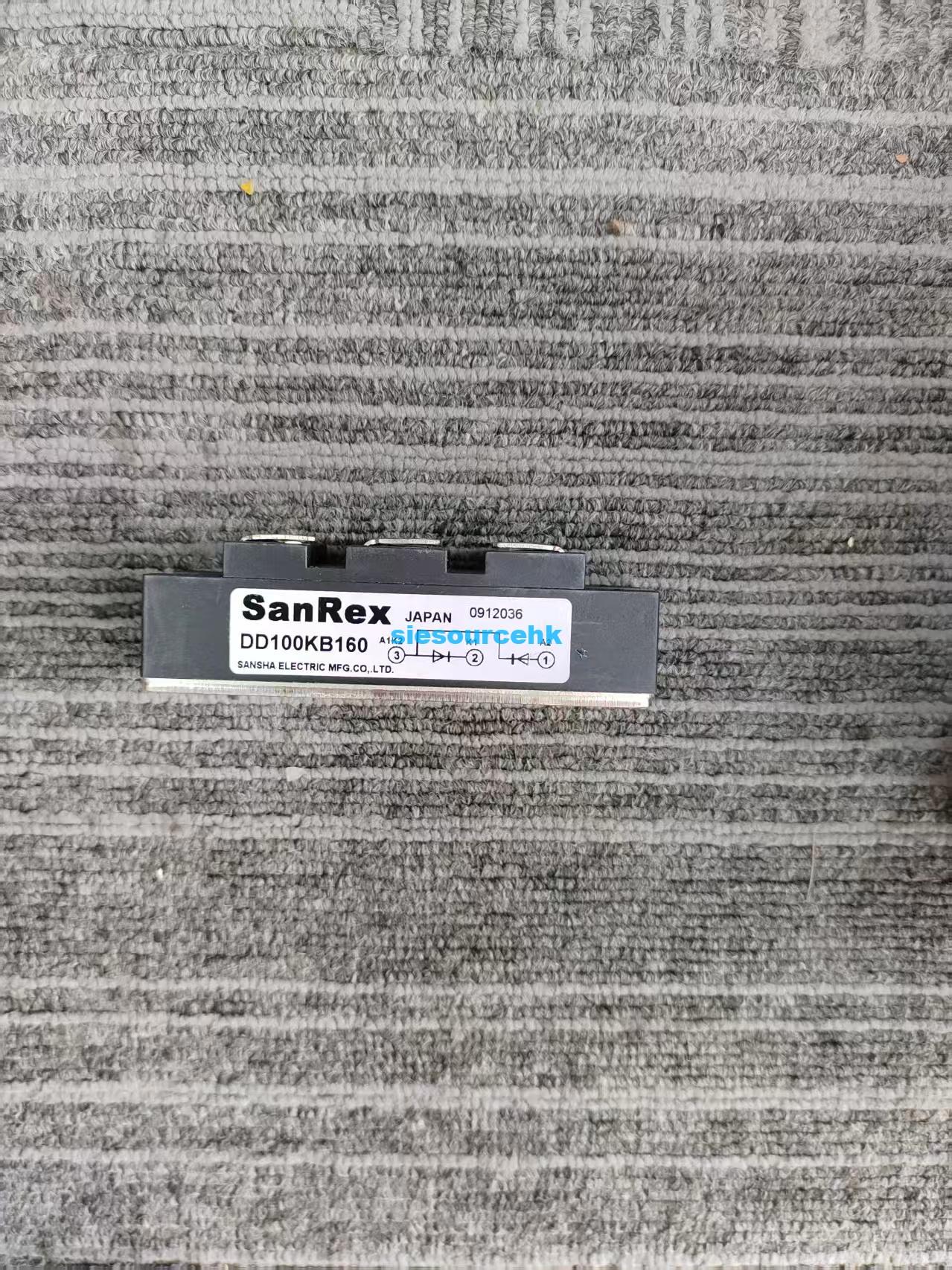
Critical Use Cases in IGBT Inverter Drives and Welding Systems
The primary designation of the SanRex DFA150AA160 is input rectification for variable-frequency motor controllers, high-current switching power systems, and high-frequency welding machines. Let us explore how electrical engineers utilize this component in actual schematics.
1. Front-End Rectification in AC Motor Drives
Modern variable frequency drives (VFD) rely on clean, steady DC buses. The SanRex 3-Phase Bridge processes high-amplitude AC surges and translates them into stable, high-voltage DC. Because VFD systems switch current rapidly via insulated-gate bipolar transistors (IGBTs), feedback harmonics are injected back into the input stage. The fast recovery speed of the DFA150AA160 dampens these parasitic voltages, ensuring noise-free power delivery and protecting sensitive microprocessor control cards.
2. High-Frequency Industrial Welders
In arc and resistance welding machines, power must be converted from standard grid frequency to several kilohertz to provide fine current control. The DFA150AA160 performs double duty. It acts as the steady source for the high-power inverter tank and handles the severe clamping currents generated during rapid electrode contact and release.
3. Uninterruptible Power Supplies (UPS)
High-capacity B2B data center UPS racks mandate non-stop power conversion with zero transmission gaps. The low leakage current and high surge limits of SanRex’s design prevent unexpected thermal derating, ensuring that energy conversion remains active in peak demand curves.
Why Power Electronics Require Fast Recovery Diode (FRD) Modules
To understand why B2B buyers pair the DFA150AA160 with IGBT switches, one must consider switching dissipation. Normal diode rectifiers have a sluggish “turn-off” phase where a reverse current flows momentarily before block state is achieved. This delayed response is known as the reverse recovery charge ().
When paired with modern, high-frequency IGBTs switching at 10 kHz to 50 kHz, slow diodes generate immense current spikes that degrade both the diodes and the IGBT gates. The rapid transition duration of the SanRex module terminates reverse current flow almost instantaneously. Consequently, switching loss is kept close to zero, cooling demands are simplified, and the overall volume of thermal heatsinks is dramatically reduced.
Thermal Management and Engineering Integration Best Practices
In B2B industrial projects, physical package integration is just as critical as silicon specifications. The DFA150AA160 features an isolated mounting tab, allowing engineers to anchor multiple power modules directly to a single shared aluminum heatsink without short-circuiting the electrical terminals.
When installing this module, follow these thermal guidelines:
- Apply Thermal Grease: Always smooth a thin, uniform layer of high-conductivity silicone thermal paste on the copper baseplate before fastening screws.
- Torque Specifications: Secure mounting bolts evenly using a calibrated manual torque wrench. Uneven mounting pressure warps the copper base and creates hot pockets under the silicon dies.
- Keep Snubber Circuits Close: Place high-frequency ceramic snubber capacitors as close to the module terminals as possible to capture fast voltage transients right at the source.
By observing these integration boundaries, manufacturing facilities can expect high component lifetimes, lower maintenance costs, and exceptional system stability.