



Blog
Actuators & Cylinders Sourcing: Hard-to-Find Automation Parts Guide

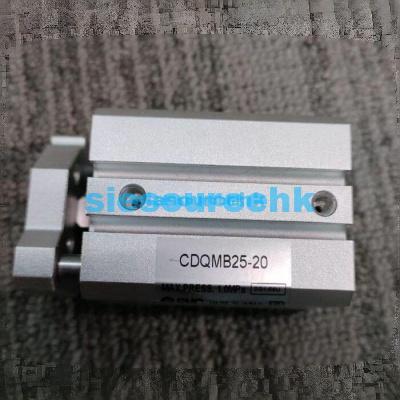
The Core Role of Actuators & Cylinders in Modern Factories
Pneumatic actuators and cylinders convert compressed air into clean linear motion. These durable mechanical elements drive conveyor belts, clamp raw materials, and actuate sorting gates. Modern automated facilities rely on these components to sustain uninterrupted high-volume production.
Choosing the proper bore size and stroke tolerance is crucial for high-speed operation. Standard industrial systems operate reliably between 0.05 MPa and 1.0 MPa (0.5 to 10bar). A slight pressure mismatch can lead to seal extrusion or premature actuator failure.
Selecting Cylinder Styles: Technical Comparisons & Tradeoffs
Automation buyers usually choose between standard ISO cylinders and space-saving compact models. Traditional ISO 15552 models offer excellent heavy-duty mounting options but demand substantial room. Compact cylinders solve tight layout constraints but support lower side-load tolerances on the piston rod.
Here is a performance comparison table of common industrial actuators and cylinders:
| Actuator Type | Operating Pressure | Common Materials | Standard Tolerances | Critical Application Suitability |
|---|---|---|---|---|
| Compact Cylinder | 0.05 to 1.0 MPa | Anodized Aluminum | ±0.15mm Stroke Length | Space-constrained packaging lines, electronic sorting |
| ISO Round Cylinder | 0.05 to 0.7 MPa | Stainless Steel | ±0.20mm Stroke Length | Food processing machinery, high-corrosion environments |
| Guided Cylinder | 0.10 to 1.0 MPa | High-Grade Alloy | ±0.10mm Stroke Length | Accurate pick-and-place material handling platforms |
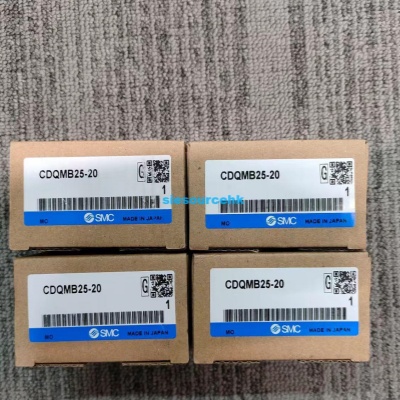
Managing Obsolete and Discontinued Pneumatic Components
Industrial machinery often outlives the production cycle of its original pneumatic components. When a manufacturer discontinues a critical actuator, engineering managers face a costly dilemma. Searching for exact drop-in replacements with matching port sizes is vital to avoid system redesigns.
Engineering buyers must look for providers who stock obsolete and rare automation inventory. Verifying original mounting patterns, thread pitch, and magnetic switches ensures successful legacy upgrades. Selecting high-grade aluminum bodies with durable NBR seals secures long-term replacement success.
Detailed Technical Look: SMC CDQ2B40F-25DMZ-A93 Evaluation
The SMC Cylinder CDQ2B40F-25DMZ-A93 represents a modern, high-precision solution for space-saving automation setups. This compact double-acting cylinder features a 40mm bore size and a 25mm stroke length. It integrates a built-in magnet designed to support D-A93 style electronic auto-switches.
Anodized aluminum construction paired with standard rubber bumpers minimizes mechanical impact and acoustic noise. The cylinder operates safely up to 1.0 MPa in ambient temperatures ranging from -10 to 70°C. Verified buyers can source these genuine, in-stock spares directly through specialized industrial automation distributors: SMC Cylinder CDQ2B40F-25DMZ-A93 – SIE Source HK.
Frequently Asked Questions
Q1: What is the main benefit of compact cylinders compared to standard ISO models?
Compact cylinders require up to 60% less installation space while maintaining force. This makes them ideal for custom packaging machines and high-density semiconductor conveyors.
Q2: How do you identify a proper replacement for an obsolete actuator?
Buyers must verify the physical bore size, mounting threads, and stroke tolerance. Always confirm if the legacy mount requires standard metric or imperial port adapters.
Q3: Can the SMC CDQ2 series handle high temperature industrial applications?
The standard CDQ2 series operates safely up to 70°C with standard NBR seals. High-temperature environments up to 150°C require customized fluororubber FKM seal upgrades.
References
- SMC Corporation of America: CDQ2 Series Compact Cylinder Technical catalog and instruction manuals (Reference standard-series CDQ2).
- ISO 21287: International standard for pneumatic fluid power – Compact cylinders (single rod, double-acting).
- RoHS Directive: Restriction of hazardous materials compliance guidelines in industrial automation hardware.